
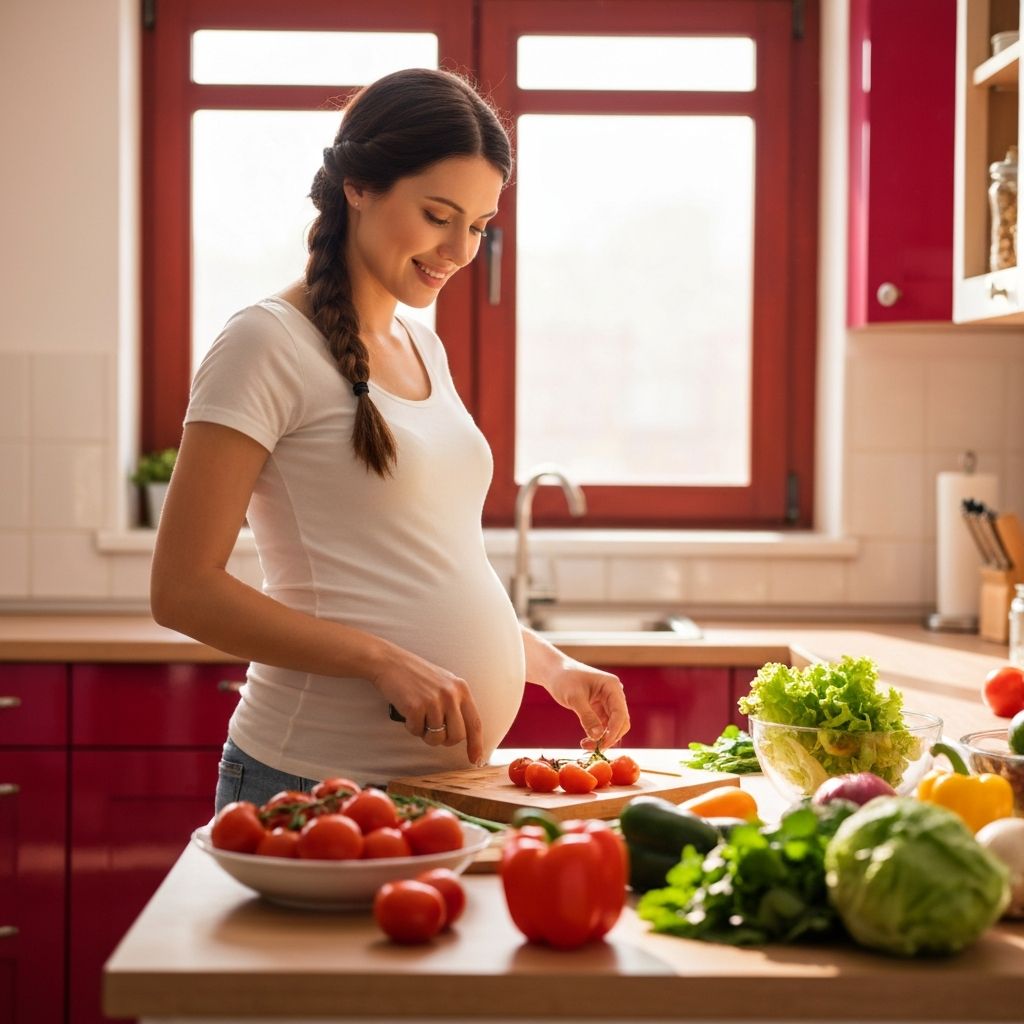
Understanding Food Risks During Pregnancy
Pregnancy is a time when nutrition takes on extraordinary importance, not only for the mother's health but for the developing baby as well. While a balanced, nutrient-rich diet is essential for a healthy pregnancy, certain foods pose specific risks that can potentially lead to complications, including miscarriage, preterm birth, and developmental problems. Understanding these risks empowers pregnant women to make informed dietary choices that protect both themselves and their babies.
It is important to note that the vast majority of miscarriages occur due to chromosomal abnormalities and other factors unrelated to diet. However, certain foods and substances have been scientifically linked to increased risk, and avoiding them is a sensible precaution. The recommendations in this article are based on guidance from the American College of Obstetricians and Gynecologists, the FDA, and the CDC. Always consult with your healthcare provider about your specific dietary needs and restrictions during pregnancy.
Raw and Undercooked Animal Products
Raw and undercooked meats, poultry, seafood, and eggs carry a significant risk of bacterial and parasitic infections that can be particularly dangerous during pregnancy. Listeria monocytogenes, the bacterium that causes listeriosis, is one of the most concerning pathogens for pregnant women. Pregnant women are approximately 10 times more likely than the general population to contract listeriosis, and the infection can cross the placental barrier, potentially causing miscarriage, stillbirth, or severe neonatal illness.
To reduce the risk of listeriosis, avoid raw or undercooked meats, raw fish including sushi and sashimi, raw shellfish, raw eggs, and unpasteurized dairy products. Cook all meats to their recommended internal temperatures: 165 degrees Fahrenheit for poultry, 160 degrees for ground meats, and 145 degrees for whole cuts of beef, pork, and lamb with a three-minute rest time. Eggs should be cooked until both the yolk and white are firm.
High-Mercury Fish
Mercury is a heavy metal that can accumulate in the bodies of large, long-lived predatory fish. When consumed during pregnancy, high levels of mercury can damage the developing baby's nervous system, brain, and kidneys. The FDA and EPA provide specific guidance on which fish are safe to eat during pregnancy and which should be avoided.
Fish to avoid entirely during pregnancy include shark, swordfish, king mackerel, tilefish from the Gulf of Mexico, bigeye tuna, marlin, and orange roughy. These species tend to have the highest mercury concentrations due to their position at the top of the food chain and their long lifespans, which allow mercury to accumulate over many years.
However, it is important to note that fish is an excellent source of omega-3 fatty acids, which are critical for the baby's brain and eye development. Pregnant women should eat 8 to 12 ounces of low-mercury fish per week, choosing options like salmon, sardines, anchovies, trout, herring, tilapia, cod, shrimp, and canned light tuna. These fish provide important nutritional benefits while keeping mercury exposure at safe levels.
Unpasteurized Products and Soft Cheeses
Unpasteurized milk, juice, and cider can harbor dangerous bacteria including Listeria, Salmonella, and E. coli. Always choose pasteurized versions of these products during pregnancy. Soft cheeses made from unpasteurized milk, such as some varieties of Brie, Camembert, feta, queso blanco, queso fresco, and blue-veined cheeses, should also be avoided unless you can confirm they are made from pasteurized milk.
Most commercially available cheeses in the United States are made from pasteurized milk, so the risk is relatively low when purchasing from reputable grocery stores. However, artisanal cheeses from farmers markets, imported cheeses, and cheeses from small producers may use unpasteurized milk. Always check the label or ask the seller about pasteurization before purchasing cheese during pregnancy.
Caffeine and Herbal Teas
High caffeine consumption during pregnancy has been associated with an increased risk of miscarriage and low birth weight in some studies. The American College of Obstetricians and Gynecologists recommends limiting caffeine intake to less than 200 milligrams per day during pregnancy, which is roughly equivalent to one 12-ounce cup of coffee. Keep in mind that caffeine is also found in tea, chocolate, soft drinks, energy drinks, and some medications, so total daily intake from all sources should be considered.
Certain herbal teas should also be approached with caution during pregnancy. While many herbal teas are safe in moderation, some herbs have traditionally been associated with uterine contractions or other effects that could be harmful during pregnancy. Teas to avoid include those containing large amounts of chamomile, peppermint oil, raspberry leaf in the first trimester, licorice root, and pennyroyal. Ginger tea in moderate amounts is generally considered safe and can help alleviate morning sickness. Always consult with your healthcare provider before consuming herbal teas or supplements during pregnancy.
