
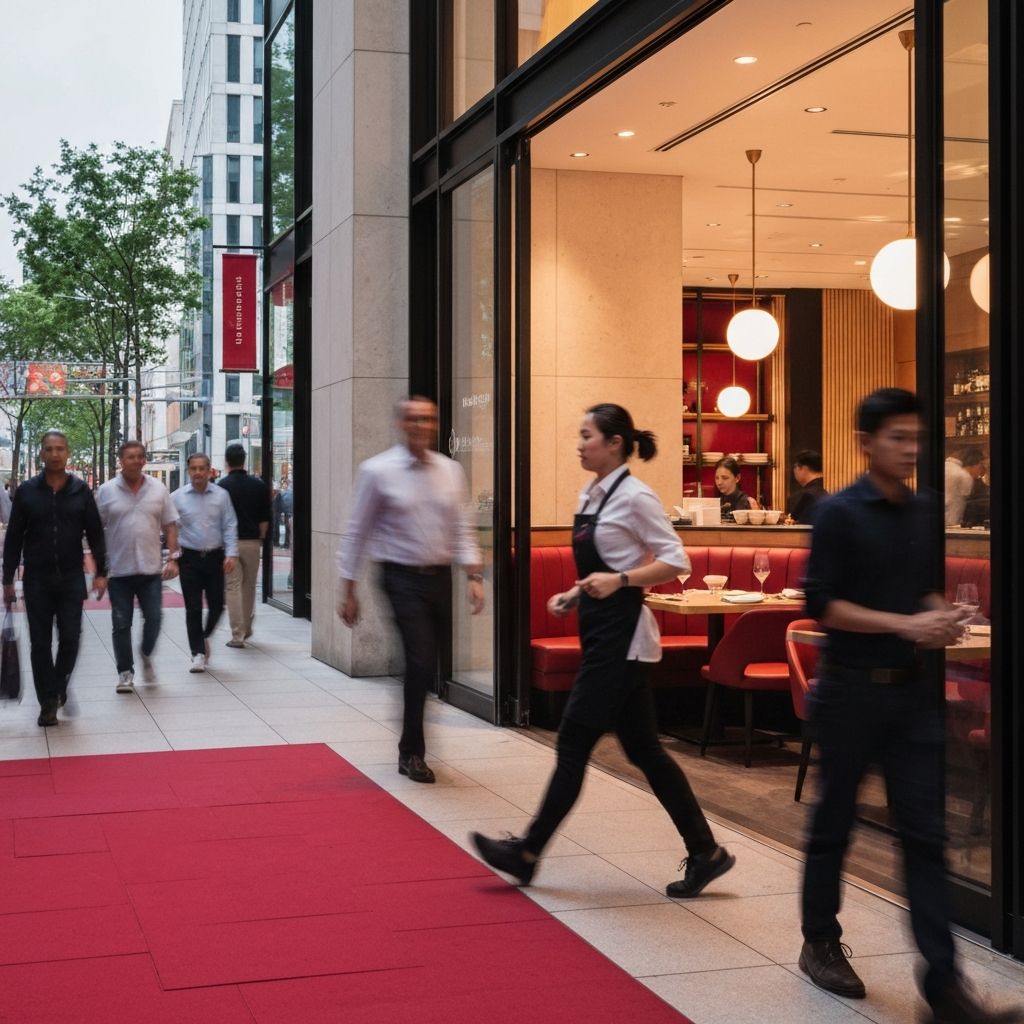
Understanding the Role of a Food Runner
In the fast-paced world of restaurants and hospitality, a food runner is a key team member who bridges the gap between the kitchen and the dining room. Their primary responsibility is to deliver prepared dishes from the kitchen to the correct tables, ensuring that food arrives hot, fresh, and presented exactly as intended. While it might sound straightforward, the role requires a unique blend of speed, accuracy, communication skills, and attention to detail that makes them indispensable in any well-run restaurant.
Food runners operate as the critical link in a chain of service that begins when a customer places an order and ends when their meal arrives at the table. Unlike servers who manage the entire dining experience, food runners specialize exclusively in the transportation and delivery of dishes, allowing servers to focus on taking orders, attending to customer needs, and managing their sections more effectively.
Key Responsibilities of a Food Runner
The day-to-day tasks of a food runner extend far beyond simply carrying plates from point A to point B. A food runner must first verify that each order leaving the kitchen is complete and accurate, checking that all items match the ticket before leaving the pass. This quality control step is essential because it prevents errors that could lead to customer dissatisfaction and slow down service for the entire restaurant.
Food runners are also responsible for understanding the restaurant's menu inside and out. They need to know which dishes go to which tables, any modifications or allergy accommodations that have been requested, and how each plate should look when it arrives. If a dish doesn't meet the restaurant's standards in terms of presentation or temperature, a sharp food runner will flag the issue before it reaches the guest.
Additionally, food runners assist with clearing tables, resetting place settings, refilling water glasses, and supporting servers during busy shifts. They communicate constantly with both front-of-house and back-of-house staff, relaying information about wait times, special requests, and any issues that arise during service. In many restaurants, they also help with pre-service preparation, such as polishing silverware, folding napkins, and ensuring the dining room is ready to receive guests.
Skills Required to Be a Successful Food Runner
While formal education is typically not required for a food runner position, there are several skills that separate a good food runner from a great one. Physical stamina is perhaps the most obvious requirement, as food runners spend their entire shift on their feet, often carrying heavy trays of food through crowded dining rooms. The ability to move quickly without sacrificing care is crucial, as spilled food or broken dishes can disrupt service and create safety hazards.
Communication skills are equally important. Food runners must be able to interact effectively with chefs, servers, managers, and guests. They need to understand kitchen terminology, read tickets accurately, and communicate clearly when issues arise. In multilingual kitchens, being able to communicate in multiple languages can be a significant advantage.
Attention to detail is another essential trait. A food runner who can spot a missing garnish, an incorrect side dish, or a plate that has been sitting too long under the heat lamp adds tremendous value to the team. This eye for detail extends to table numbers, seat positions, and the overall flow of service, ensuring that every guest receives the right dish at the right time.
Time management and the ability to prioritize tasks under pressure round out the skill set of an effective food runner. During a dinner rush, dozens of orders may be coming out of the kitchen simultaneously, and the food runner must determine which tables to serve first, how to group deliveries for maximum efficiency, and how to keep the entire service running smoothly.
Food Runner vs. Server: What's the Difference?
While both food runners and servers work in the front of house, their roles are distinctly different. Servers are the primary point of contact for guests throughout their dining experience. They greet customers, present menus, take orders, make recommendations, process payments, and ensure overall satisfaction. Servers typically manage specific sections of the dining room and build relationships with their tables over the course of the meal.
Food runners, on the other hand, focus specifically on the delivery of food. They generally do not take orders or handle payment transactions, and their interactions with guests tend to be briefer. However, this doesn't mean their role is less important. In fact, a skilled food runner can dramatically improve a restaurant's service speed, accuracy, and overall guest satisfaction by ensuring that the right food reaches the right table at the right time.
In many establishments, the food runner position serves as an entry point into the restaurant industry, with many food runners eventually moving into server, bartender, or management roles as they gain experience and develop their skills. This career progression makes the food runner position an excellent starting point for those looking to build a career in hospitality.
Salary and Compensation for Food Runners
Food runner compensation varies widely depending on the type of restaurant, location, and local labor laws. In the United States, food runners typically earn an hourly wage that ranges from minimum wage to around $15 per hour, with the possibility of earning tips on top of their base pay. In many restaurants, food runners participate in a tip pool, receiving a percentage of the total tips earned by the serving staff during each shift.
At fine dining establishments, where check averages are higher and tip pools more generous, food runners can earn significantly more than their counterparts at casual dining restaurants. In major metropolitan areas like New York, Los Angeles, and San Francisco, experienced food runners at upscale restaurants can earn $40,000 to $55,000 per year when tips are factored in.
Benefits such as health insurance, paid time off, and meal discounts are also common, particularly at larger restaurant groups and hotel dining establishments. Some restaurants offer additional perks like flexible scheduling, professional development opportunities, and advancement paths that make the food runner position attractive to workers at various stages of their careers.
How to Become a Food Runner
Getting started as a food runner is relatively straightforward compared to many other positions in the hospitality industry. Most restaurants require applicants to be at least 18 years old, though some casual establishments may hire younger candidates for food runner roles. While previous restaurant experience is preferred, many restaurants are willing to train enthusiastic candidates who demonstrate a strong work ethic and a positive attitude.
To increase your chances of landing a food runner position, consider obtaining a food handler's certification, which is required in many states and demonstrates your commitment to food safety. Familiarize yourself with basic restaurant terminology, table numbering systems, and common menu items so you can hit the ground running during training.
Networking within the restaurant industry can also be valuable. Many food runner positions are filled through word-of-mouth referrals, so connecting with current restaurant employees, attending industry events, and expressing your interest in hospitality can open doors that might not be available through online job postings alone.
The Importance of Food Runners in Modern Restaurants
As the restaurant industry continues to evolve, the role of the food runner has become increasingly important. With the rise of complex tasting menus, multi-course dining experiences, and high-volume establishments, having dedicated team members focused on food delivery has become essential for maintaining service standards and guest satisfaction.
Many successful restaurants credit their food runners as the unsung heroes of their operations. By handling the physical task of food delivery, food runners free up servers to provide more attentive, personalized service to their guests. This division of labor results in faster service times, fewer errors, and a more polished dining experience overall.
Whether you're considering a career in the restaurant industry or simply curious about how your favorite restaurants operate behind the scenes, understanding the role of a food runner provides valuable insight into the teamwork and coordination required to create a memorable dining experience. The position may be entry-level, but its impact on the overall quality of service is anything but basic.
