
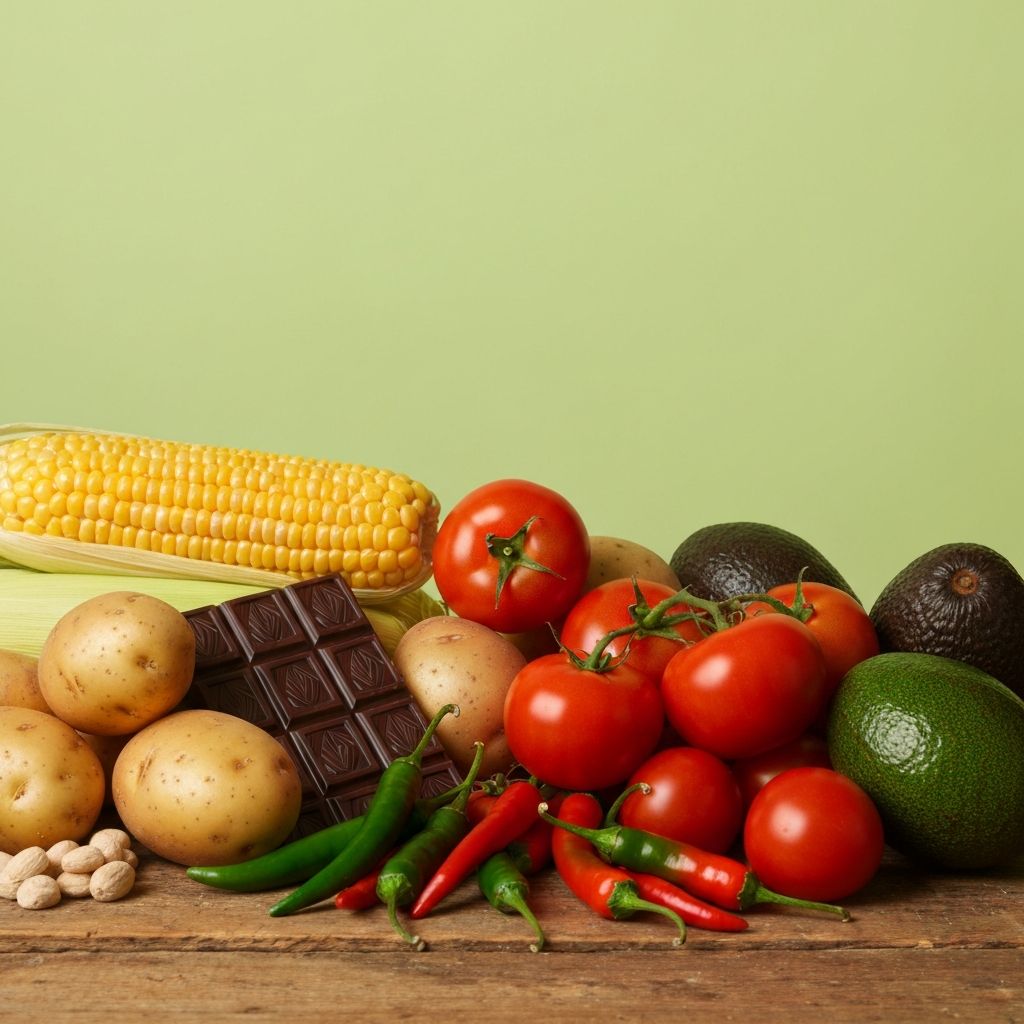
The Rich Culinary Heritage of the Americas
When we sit down to enjoy a meal today, few of us stop to consider the origins of the foods on our plates. Yet many of the world's most beloved ingredients and dishes trace their roots back to the American continents. Long before European explorers set foot in the New World, Indigenous peoples had cultivated an extraordinary array of crops and developed sophisticated culinary traditions that would eventually transform global cuisine. The Americas have given the world some of its most essential staple foods, flavorful spices, and beloved treats. Understanding which foods originated in America not only enriches our appreciation for what we eat but also highlights the incredible agricultural knowledge of Native American civilizations.
Corn: The Foundation of American Agriculture
Corn, also known as maize, is perhaps the most significant food to originate in the Americas. Domesticated by Indigenous peoples in southern Mexico around 7,000 to 10,000 years ago, corn was developed from a wild grass called teosinte through centuries of selective breeding. Today, corn is one of the most widely grown crops in the world, serving as a staple food for billions of people. It is used in countless forms, from cornmeal and tortillas to corn syrup and ethanol. The development of corn represents one of humanity's greatest agricultural achievements, as the transformation from teosinte to modern corn required remarkable botanical knowledge and patience.
Corn played a central role in the cultures and economies of many Native American civilizations. The Maya, Aztec, and Inca empires all depended heavily on corn cultivation. In many Indigenous creation stories, humans were said to have been made from corn, reflecting its profound cultural significance. When European explorers encountered corn, they quickly recognized its value and brought it back to Europe, from where it spread throughout the world. Today, the United States alone produces over 380 million metric tons of corn annually, making it the world's largest corn producer.
Potatoes: From the Andes to the World
The potato is another transformative food that originated in the Americas, specifically in the Andean region of South America. Archaeological evidence suggests that potatoes were first domesticated in present-day Peru and Bolivia around 8,000 years ago. The Inca Empire cultivated hundreds of potato varieties, developing sophisticated techniques for freeze-drying potatoes to create a preserved food called chuño that could be stored for years. When Spanish conquistadors brought potatoes to Europe in the late 16th century, the humble tuber eventually became one of the continent's most important food crops.
The potato's impact on world history cannot be overstated. It helped fuel population growth in Europe during the 18th and 19th centuries due to its high caloric yield per acre. The devastating Irish Potato Famine of the 1840s demonstrated how dependent entire nations had become on this American crop. Today, potatoes are the fourth most important food crop in the world after rice, wheat, and corn. They are grown in over 160 countries and consumed in virtually every cuisine on the planet, from French fries and baked potatoes to Indian aloo gobi and Peruvian causa.
Tomatoes: The Red Revolution
It is hard to imagine Italian cuisine without tomatoes, yet this vibrant fruit originated in western South America. Wild tomatoes first grew in the Andes Mountains, and they were domesticated by the Aztecs in Mesoamerica long before European contact. The Spanish brought tomatoes to Europe in the early 16th century, where they were initially met with suspicion. Many Europeans believed tomatoes were poisonous, partly because they belong to the nightshade family. It took nearly two centuries before tomatoes became widely accepted in European cooking.
Once Europeans embraced the tomato, it revolutionized cuisines around the world. Italian marinara sauce, Spanish gazpacho, Indian curries, and countless other dishes owe their existence to this American fruit. The global tomato industry is now worth billions of dollars, with China, India, and the United States being the top producers. Ketchup, one of America's most iconic condiments, is itself a testament to the tomato's remarkable journey from a wild South American plant to a global culinary staple.
Chocolate: The Food of the Gods
Few foods have captured the world's imagination quite like chocolate. Derived from the cacao bean, which is native to Central and South America, chocolate has been consumed for at least 3,000 years. The Olmec civilization is believed to have been the first to process cacao beans, and the Maya and Aztec civilizations elevated chocolate to a sacred status. The Aztecs called it "xocolatl" and consumed it as a bitter, spiced drink that was reserved for royalty, warriors, and priests. Cacao beans were so valuable that they were used as currency throughout Mesoamerica.
When Hernán Cortés brought cacao beans back to Spain in the early 16th century, Europeans gradually adapted the drink to suit their tastes by adding sugar and milk. The invention of solid chocolate in the 19th century by Swiss and Dutch chocolatiers transformed chocolate into the beloved confection we know today. The global chocolate industry is now worth over $130 billion annually, yet few chocolate lovers realize that every bar, truffle, and hot cocoa they enjoy traces its origins to the ancient civilizations of the Americas.
Other Notable Foods from the Americas
Beyond these major crops, the Americas have contributed an astonishing variety of foods to the global pantry. Vanilla, one of the world's most popular flavors, comes from an orchid native to Mexico. The Totonac people of eastern Mexico were the first to cultivate vanilla, and it remains one of the most expensive spices in the world. Chili peppers, which add heat and flavor to cuisines from Thailand to Hungary, originated in Central and South America and were domesticated at least 6,000 years ago.
Squash and pumpkins are also American originals, domesticated in Mesoamerica thousands of years before European contact. Sweet potatoes, distinct from regular potatoes, originated in Central or South America and have become a dietary staple in many African and Asian countries. Peanuts, native to South America, are now grown worldwide and form the basis of beloved foods like peanut butter. Avocados, which have experienced a massive surge in popularity in recent years, were first cultivated by the Aztecs in central Mexico.
Sunflowers were domesticated by Native Americans in present-day eastern United States around 3,000 years ago. Today, sunflower seeds and sunflower oil are consumed globally. Blueberries, cranberries, and pecans are all native to North America and remain important crops in the United States and Canada. Turkey, the centerpiece of the American Thanksgiving dinner, was domesticated by Indigenous peoples in Mexico and Central America long before the arrival of Europeans.
The Columbian Exchange and Its Lasting Impact
The transfer of foods between the Americas and the rest of the world is part of what historians call the Columbian Exchange, a massive biological and cultural transfer that began after Christopher Columbus's voyages in the late 15th century. While the exchange brought devastating diseases and colonial exploitation to the Americas, it also resulted in one of the most significant transformations in global food history. American crops like corn, potatoes, and tomatoes helped feed growing populations in Europe, Asia, and Africa, while Old World crops like wheat, rice, and sugarcane were introduced to the Americas.
The foods that originated in America have fundamentally shaped the way the world eats. Without American crops, there would be no pasta with tomato sauce in Italy, no chocolate in Switzerland, no chili-spiced dishes in Thailand, and no french fries in Belgium. The agricultural genius of Indigenous American peoples, who domesticated and cultivated these crops over thousands of years, continues to nourish billions of people around the world every day. Their legacy is a testament to human ingenuity and the power of food to connect cultures across time and space.
