
Understanding Why Food Tastes Spicy
Spicy food gets its heat from a chemical compound called capsaicin, which is found primarily in chili peppers. When capsaicin comes into contact with the receptors on your tongue, it triggers a burning sensation that many people find overwhelming. Understanding this mechanism is the first step in learning how to effectively reduce the spiciness of your food. Capsaicin is an oil-soluble compound, which means water alone will not wash it away. This is why drinking water after eating spicy food often feels ineffective. Instead, you need to use ingredients and techniques that can either neutralize, dilute, or absorb the capsaicin to bring the heat down to a comfortable level.
The Scoville scale measures the heat level of peppers and spicy foods, ranging from zero for bell peppers to over two million for the Carolina Reaper. Knowing where your ingredients fall on this scale can help you anticipate and manage the spiciness of a dish before it becomes too intense. Whether you accidentally added too much hot sauce or are trying to enjoy a dish that is naturally fiery, there are numerous strategies you can employ to make your food less spicy.
Add Dairy Products to Neutralize the Heat
One of the most effective ways to reduce spiciness in food is to add dairy products. The casein protein found in milk, yogurt, sour cream, and cheese binds directly to capsaicin molecules and helps wash them away from your taste receptors. This is why a glass of cold milk is often recommended as a remedy for a burning mouth after eating spicy food. When cooking, you can stir in heavy cream, sour cream, or plain yogurt to mellow out an overly spicy dish. For curries and stews, coconut milk serves a similar purpose and adds a rich, creamy texture that complements many spicy cuisines.
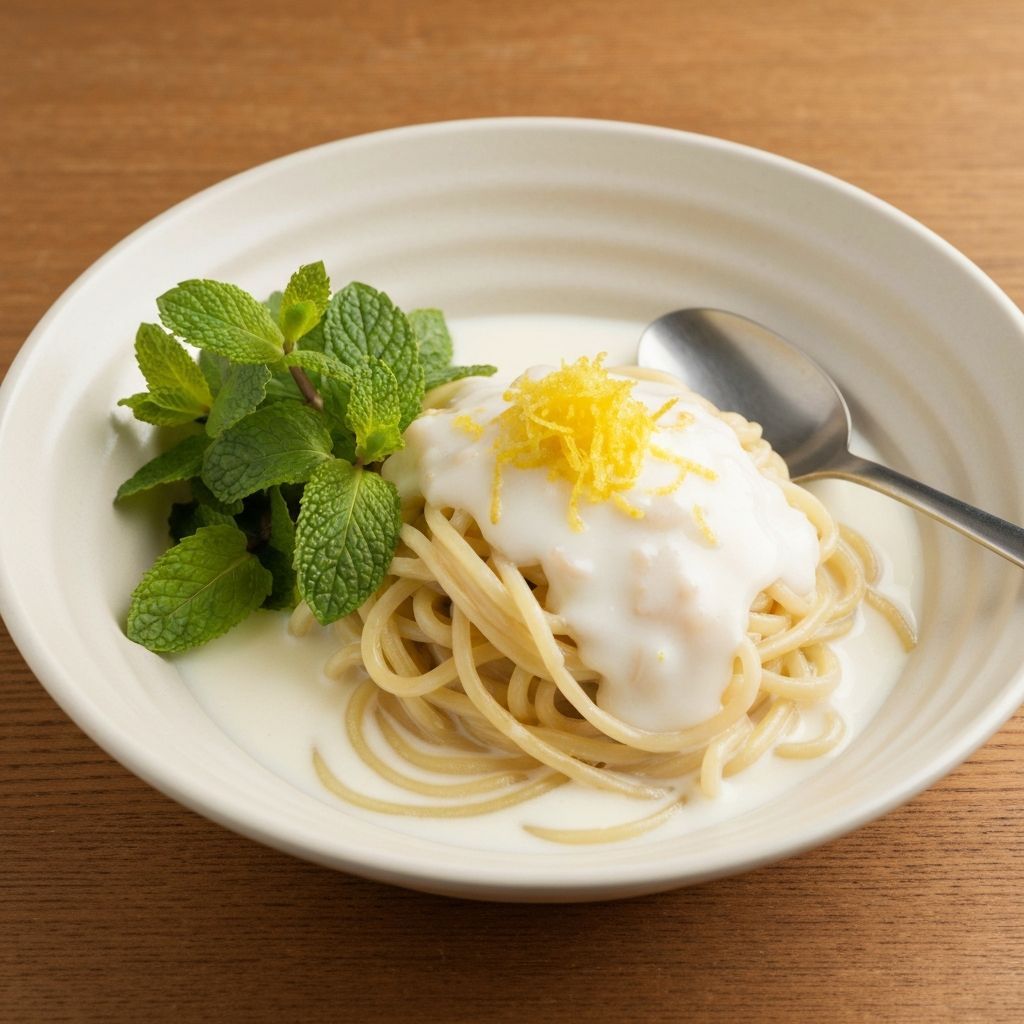
Greek yogurt works particularly well because of its thick consistency and high protein content. You can add a generous dollop on top of chili, tacos, or curry to bring the heat down significantly. Cheese is another excellent option, especially for dishes like nachos, pasta, or casseroles. The fat content in cheese helps coat your mouth and creates a barrier between the capsaicin and your taste buds. If you are making a spicy soup or sauce, try stirring in a few tablespoons of cream cheese to smooth out the flavor and reduce the burn.
Use Acidic Ingredients to Balance Spiciness
Acidic ingredients can help counterbalance the heat in spicy food by shifting the pH of the dish. Lemon juice, lime juice, vinegar, and tomatoes are all excellent options for toning down spiciness. A squeeze of fresh lemon or lime juice can brighten up a dish while simultaneously reducing the perceived heat. Vinegar, whether it is white vinegar, apple cider vinegar, or rice vinegar, can also help cut through the spiciness when added in small amounts.
Tomato-based ingredients like crushed tomatoes, tomato paste, or even ketchup can help dilute the capsaicin while adding body and flavor to your dish. For stir-fries and Asian-inspired dishes, a splash of rice vinegar can work wonders in taming the heat. The key is to add these acidic ingredients gradually, tasting as you go, so you do not overpower the dish with sourness. The combination of acidity and the natural sugars in tomatoes creates a harmonious balance that makes spicy food more palatable without masking the original flavors.
Incorporate Sweeteners to Offset the Burn
Sugar and other sweeteners can help reduce the perception of spiciness by activating different taste receptors on your tongue. Adding a pinch of sugar, a drizzle of honey, or a spoonful of maple syrup to a spicy dish can help take the edge off the heat. This technique is commonly used in Thai and Vietnamese cooking, where the balance of sweet, sour, salty, and spicy flavors is essential to the cuisine. Brown sugar works particularly well in barbecue sauces and chili, while honey pairs beautifully with spicy marinades and glazes.
Agave nectar and coconut sugar are also effective sweeteners for reducing spiciness, especially if you prefer a more natural or less processed option. When adding sweeteners, start with a small amount and increase gradually, as too much sweetness can make the dish taste unbalanced. The goal is to create a subtle counterpoint to the heat, not to make the food taste like a dessert. In many spicy recipes, you will find that just a teaspoon or two of sugar can make a significant difference in the overall heat level of the dish.
Bulk Up the Dish to Dilute the Spice
One of the simplest ways to make food less spicy is to increase the volume of the dish without adding more spicy ingredients. By adding more of the non-spicy components, you effectively dilute the concentration of capsaicin throughout the dish. For soups and stews, add more broth, vegetables, or beans. For curries, add more coconut milk, potatoes, or rice. For pasta dishes, cook additional pasta and toss it in, or add more sauce base without the hot components.
Starches like rice, potatoes, and bread are excellent at absorbing capsaicin and can help reduce the overall spiciness of a meal. Serving your spicy dish over a generous bed of steamed rice or with thick slices of crusty bread can help absorb some of the heat as you eat. Potatoes are particularly effective when cooked directly in the spicy dish, as they absorb the capsaicin during the cooking process. Adding diced potatoes to an overly spicy soup or curry and simmering for twenty to thirty minutes can noticeably reduce the heat level.
Use Nut Butters and Seeds for a Creamy Fix
Nut butters like peanut butter, almond butter, and tahini can help reduce spiciness while adding depth and richness to your dishes. The fat and protein in nut butters work similarly to dairy, binding to capsaicin molecules and reducing the burning sensation. A tablespoon of peanut butter stirred into a spicy Thai curry or stir-fry sauce can mellow the heat significantly while enhancing the flavor profile. Sesame seeds and tahini paste work beautifully in Middle Eastern and Asian dishes.
Cashew cream, made by blending soaked cashews with water, is another excellent dairy-free option for reducing spiciness. It creates a luscious, creamy texture that works well in curries, soups, and sauces. Coconut cream is similarly effective and is a staple in many Southeast Asian cuisines for balancing heat. These plant-based options are particularly valuable for those who are lactose intolerant or follow a vegan diet but still want to enjoy spicy food at a more moderate heat level.
Prevention Tips: How to Control Spiciness While Cooking
The best way to deal with overly spicy food is to prevent it from happening in the first place. When working with hot peppers, remove the seeds and white membrane, as these contain the highest concentration of capsaicin. Start with less spice than the recipe calls for, as you can always add more heat later but cannot easily remove it. Toast your spices before adding them to a dish, as this process can mellow their heat while intensifying their aromatic flavors.
Keep a variety of heat-reducing ingredients on hand while cooking so you can adjust on the fly. Having dairy, citrus, sweeteners, and extra base ingredients readily available gives you multiple options for quick adjustments. When trying a new recipe that calls for unfamiliar hot peppers or spice blends, research the heat level beforehand and start with half the recommended amount. Taste frequently during the cooking process so you can catch and correct any excessive spiciness before the dish is complete. With practice and these techniques, you will develop an intuitive sense for managing heat levels in your cooking.
