
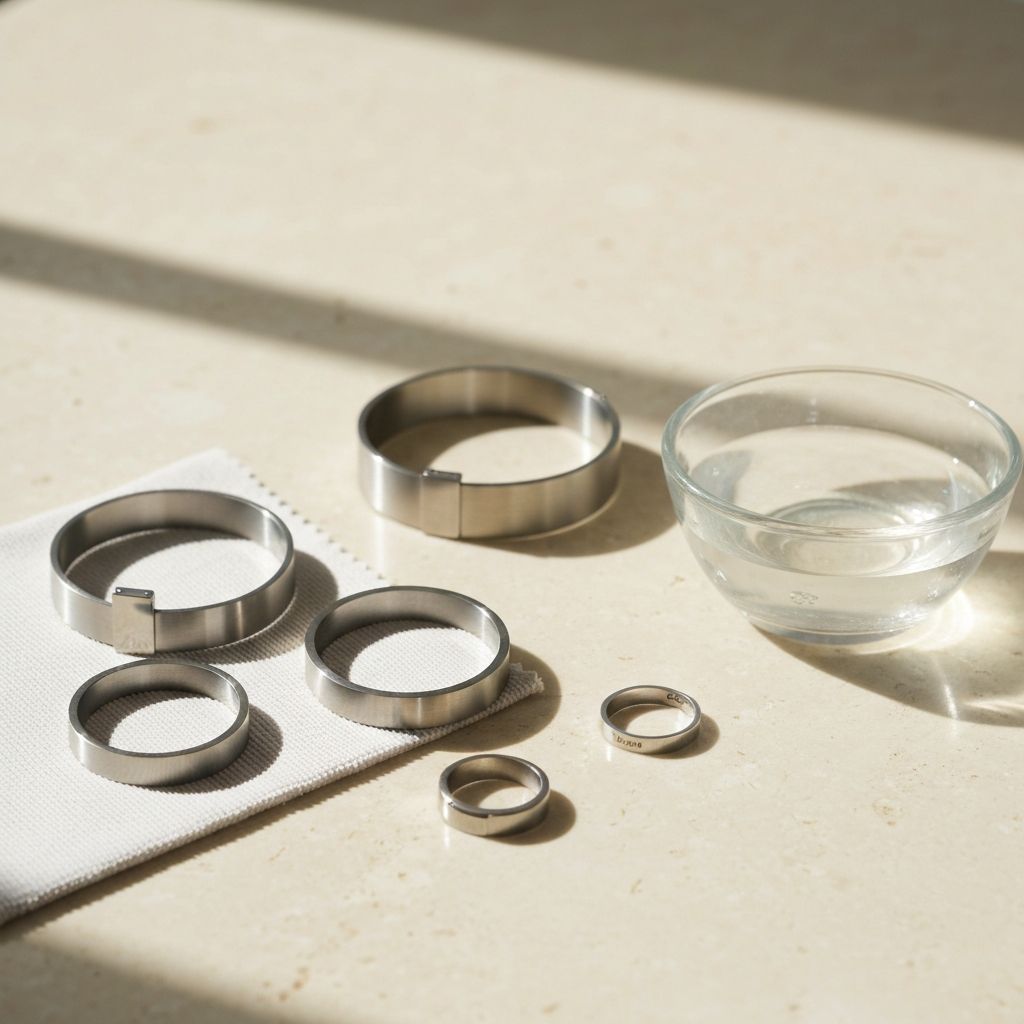
Why Stainless Steel Jewelry Needs Regular Cleaning
Stainless steel jewelry has surged in popularity over the past decade, and for good reason. It is affordable, durable, hypoallergenic, and remarkably resistant to rust and tarnish. However, even the toughest metals can lose their luster over time. Daily exposure to sweat, oils from your skin, lotions, perfumes, and environmental pollutants gradually builds up a film on the surface of your jewelry, making it look dull and lifeless.
Regular cleaning not only restores the shine but also prevents long-term damage. When grime accumulates in small crevices and around gemstone settings, it can become harder to remove and may even lead to discoloration. By adopting a simple cleaning routine, you can ensure your stainless steel pieces remain as brilliant as the day you bought them.
Basic Cleaning with Soap and Water
The simplest and most accessible method of cleaning stainless steel jewelry is using warm water and mild dish soap. Fill a small bowl with warm water and add a few drops of a gentle, fragrance-free dish soap. Place your jewelry in the solution and let it soak for about 10 to 15 minutes. This loosens dirt, oil, and any residue that may have built up.
After soaking, use a soft-bristled toothbrush or a lint-free microfiber cloth to gently scrub the surface. Pay close attention to intricate designs, clasps, and any areas where dirt tends to accumulate. Rinse the jewelry thoroughly under clean running water to remove all soap residue, then pat it dry with a soft cloth. Avoid using paper towels as they can leave tiny scratches on the surface.
This method works well for routine maintenance and should be performed every one to two weeks, depending on how often you wear the piece. Consistent care prevents heavy buildup that requires more aggressive cleaning methods down the line.
Using Baking Soda for Deeper Cleaning
When soap and water are not enough to remove stubborn stains or fingerprints, baking soda is an excellent natural cleaning agent. Create a paste by mixing two tablespoons of baking soda with one tablespoon of water. The consistency should be thick enough to cling to the jewelry without dripping.
Apply the paste to the jewelry using your fingers or a soft cloth, rubbing gently in the direction of the grain if the piece has a brushed finish. For polished pieces, use circular motions. Allow the paste to sit on the jewelry for about five minutes, then scrub gently with a soft toothbrush. Rinse thoroughly and dry with a clean cloth.
Baking soda is mildly abrasive, which means it can effectively remove surface stains without scratching stainless steel. However, avoid using it too frequently as excessive abrasion over time could dull a mirror-polished finish. Once a month is typically sufficient for this deeper clean.
Vinegar and Olive Oil Method
White vinegar is a versatile household cleaner that works wonders on stainless steel jewelry. Soak the jewelry in undiluted white vinegar for about 15 to 20 minutes. The acetic acid in vinegar dissolves mineral deposits and cuts through grease effectively. After soaking, rinse the piece under warm water and dry it completely.
To restore shine after cleaning with vinegar, apply a tiny drop of olive oil to a soft cloth and buff the jewelry gently. The olive oil acts as a natural polish, filling in micro-scratches and creating a protective barrier against future smudges. Be careful not to use too much oil, as it can attract dust and create a sticky residue. A thin, even coat is all you need.
This technique is particularly effective for removing water spots and hard water stains that accumulate on jewelry worn during activities like swimming or washing dishes. The combination of vinegar cleaning and oil polishing leaves your stainless steel pieces looking professionally maintained.
Toothpaste as a Polish
Non-gel, non-whitening toothpaste can serve as an excellent polish for stainless steel jewelry. Apply a small amount of plain white toothpaste to a soft cloth and rub it onto the jewelry in gentle circular motions. The mild abrasives in toothpaste help remove surface scratches and restore shine without damaging the metal.
After buffing the entire surface, rinse the jewelry under warm water to remove all toothpaste residue. Use a clean, dry cloth to buff it to a high shine. This method is particularly useful for rings and bracelets that are prone to scratching from daily wear.
It is important to use only basic white toothpaste for this purpose. Gel-based or whitening formulas may contain chemicals that could damage or discolor the metal. Additionally, toothpaste with baking soda already in the formula works even better, combining the benefits of both cleaning agents.
Ultrasonic Cleaners for Professional Results
If you have a significant collection of stainless steel jewelry or prefer a hands-off approach, investing in an ultrasonic jewelry cleaner may be worthwhile. These devices use high-frequency sound waves to create microscopic bubbles in a cleaning solution. When these bubbles collapse, they produce tiny shock waves that dislodge dirt and grime from even the most hard-to-reach areas.
To use an ultrasonic cleaner, fill the tank with water and add the recommended cleaning solution. Place your jewelry in the basket, ensuring pieces do not touch each other to prevent scratching. Run the cleaning cycle for the recommended duration, typically three to five minutes. Remove the jewelry, rinse it under clean water, and dry it with a soft cloth.
Ultrasonic cleaners are highly effective and can restore jewelry to a like-new condition. However, they should not be used for pieces with loose stones or delicate components, as the vibrations could loosen settings or damage fragile elements.
What to Avoid When Cleaning Stainless Steel Jewelry
While stainless steel is durable, certain cleaning methods and substances can cause damage. Never use harsh chemicals like bleach, chlorine, or ammonia-based cleaners on your jewelry. These chemicals can corrode the protective chromium oxide layer that gives stainless steel its resistance to rust and tarnish.
Avoid using steel wool, abrasive scouring pads, or rough brushes, as these will scratch the surface and permanently damage the finish. Similarly, avoid submerging jewelry with leather, fabric, or wooden components in water, as these materials can be ruined by prolonged moisture exposure.
Do not expose your stainless steel jewelry to saltwater for extended periods. While brief exposure is unlikely to cause harm, prolonged contact with salt can lead to pitting corrosion. If your jewelry comes into contact with saltwater, rinse it promptly with fresh water and dry it thoroughly.
Storage Tips to Keep Jewelry Clean Longer
Proper storage plays a crucial role in maintaining the cleanliness and appearance of your stainless steel jewelry. Store each piece separately in a soft pouch or lined jewelry box to prevent scratching. Keeping jewelry in airtight containers or zip-lock bags can also minimize exposure to air and moisture, reducing the rate at which tarnish develops.
Remove your stainless steel jewelry before showering, swimming, exercising, or applying lotions and perfumes. While the metal itself can withstand these conditions, the chemicals in personal care products and the minerals in water can leave residues that dull the surface over time.
By combining regular cleaning with mindful storage and wearing habits, your stainless steel jewelry will maintain its stunning appearance for years to come. The minimal effort required to care for these pieces is one of the many reasons stainless steel remains a top choice for fashion-forward individuals seeking both style and practicality.
