
What Is Rolled Ice Cream?
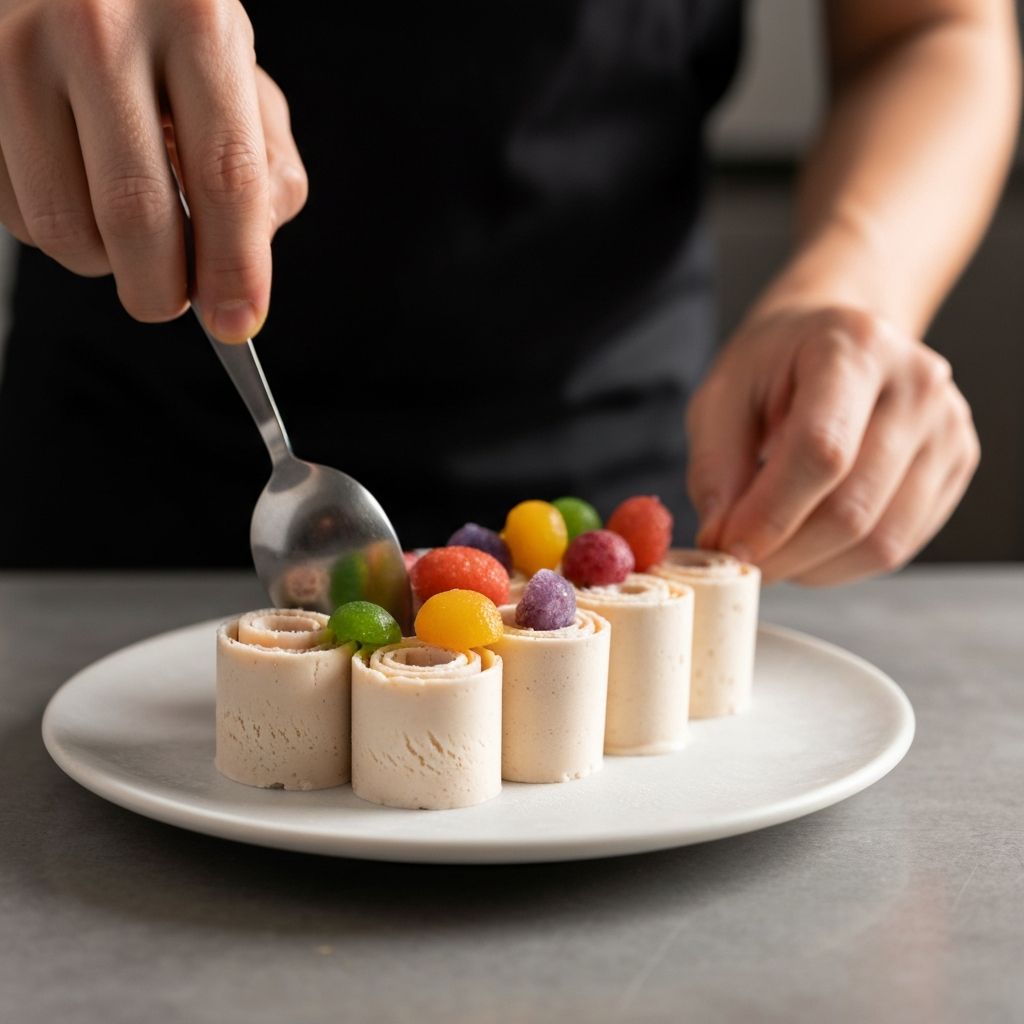
Rolled ice cream, also known as stir-fried ice cream or Thai rolled ice cream, has taken the dessert world by storm. Originating from the street food stalls of Thailand, this visually stunning treat is made by pouring a liquid ice cream base onto a freezing cold metal plate, mixing in toppings, and then rolling it into beautiful cylindrical shapes. The result is an Instagram-worthy dessert that tastes just as incredible as it looks.
Unlike traditional scooped ice cream, rolled ice cream offers a uniquely smooth and creamy texture. The rapid freezing process on the cold plate creates smaller ice crystals, which gives the ice cream its signature silky mouthfeel. Whether you are a dessert enthusiast or a professional chef looking to add something special to your menu, learning how to make rolled ice cream is a rewarding skill.
Essential Equipment You Need
Before you dive into making rolled ice cream, you will need a few key pieces of equipment. The most important is an anti-griddle or a rolled ice cream maker, which is essentially a flat metal surface that gets extremely cold, typically reaching temperatures of -20°F (-29°C) or lower. These machines are specifically designed for this purpose and can be found online or at specialty kitchen equipment stores.
If you are not ready to invest in a professional machine, you can use a large baking pan placed in the freezer for several hours. While this DIY approach will not produce the same results as a professional cold plate, it can give you a taste of the experience. You will also need two flat metal spatulas or scrapers, mixing bowls, measuring cups, and your choice of toppings and mix-ins.
The Perfect Ice Cream Base Recipe
The foundation of great rolled ice cream starts with a quality base. Here is a simple yet delicious recipe that works perfectly on a cold plate. You will need 1 cup of heavy cream, 1/2 cup of whole milk, 1/4 cup of granulated sugar, 1 teaspoon of pure vanilla extract, and a pinch of salt. Combine all ingredients in a mixing bowl and whisk until the sugar is fully dissolved.
For a richer base, you can substitute some of the milk with sweetened condensed milk. This not only adds sweetness but also helps create a creamier texture that rolls more easily. Some professionals also add a small amount of cornstarch slurry to their base, which helps prevent the mixture from becoming too icy and makes it more pliable for rolling.
Step-by-Step Rolling Technique
Once your cold plate is ready and your base is prepared, it is time to start making your rolled ice cream. Pour approximately 4 to 6 ounces of your ice cream base onto the center of the cold plate. The liquid will immediately begin to freeze upon contact with the surface. Using your spatulas, spread the mixture out into a thin, even layer across the plate.
As the mixture begins to freeze, use your spatulas to chop and mix the ice cream. This is where you can fold in your chosen toppings such as fresh fruit, cookie crumbles, chocolate chips, or candy pieces. Continue chopping and spreading the mixture until it reaches a smooth, consistent texture. The key is to work quickly and efficiently, as the mixture freezes rapidly on the cold surface.
Once the mixture is evenly spread and at the right consistency, use your spatula to spread it into a thin, even rectangular layer about 1/8 inch thick. Then, starting from one edge, use your spatula at a 45-degree angle to slowly roll the ice cream toward you. The ice cream should curl up into a tight, beautiful cylinder. Repeat this process to create 4 to 5 rolls from your single serving.
Creative Flavor Combinations
One of the best things about rolled ice cream is the endless flavor possibilities. For a classic combination, try mixing in fresh strawberries with a drizzle of condensed milk for a Strawberry Shortcake variation. For chocolate lovers, blend in Oreo cookies with chocolate sauce for a Cookies and Cream dream. Mango and sticky rice is another popular combination that pays homage to the Thai origins of this dessert.
For more adventurous palates, consider savory-sweet combinations like salted caramel with pretzel pieces, or matcha green tea with red bean paste. Nutella and banana is always a crowd-pleaser, while peanut butter with jelly and graham cracker crumbles creates a nostalgic PB&J experience. The possibilities are truly limited only by your imagination.
Tips for Perfect Rolls Every Time
Achieving consistent, beautiful rolls takes practice, but there are several tips that can help you improve quickly. First, make sure your cold plate is at the optimal temperature before you begin. If the plate is not cold enough, the mixture will not freeze properly and will be impossible to roll. Most professional machines need about 20 to 30 minutes to reach the ideal temperature.
Second, do not overload the plate with too much liquid. A thinner layer freezes more evenly and rolls more easily than a thick one. Third, work with a consistent rhythm when chopping and mixing to ensure even distribution of toppings throughout the ice cream. Finally, when rolling, maintain steady pressure and speed with your spatula. Too much pressure will tear the ice cream, while too little will not create a tight enough roll.
Serving and Presentation
Presentation is a huge part of the rolled ice cream experience. Traditionally, the rolls are placed upright in a cup, creating a visually appealing arrangement that showcases the spiral pattern of each roll. Top your creation with whipped cream, drizzles of sauce, sprinkles, fresh fruit, or any other garnish that complements your chosen flavor.
For an extra special touch, consider using clear cups so the beautiful rolls are visible from all angles. You can also add a wafer stick, pocky, or a small cookie as a decorative and edible garnish. Remember, people eat with their eyes first, so taking the time to present your rolled ice cream beautifully will make the experience even more enjoyable for your guests.
