
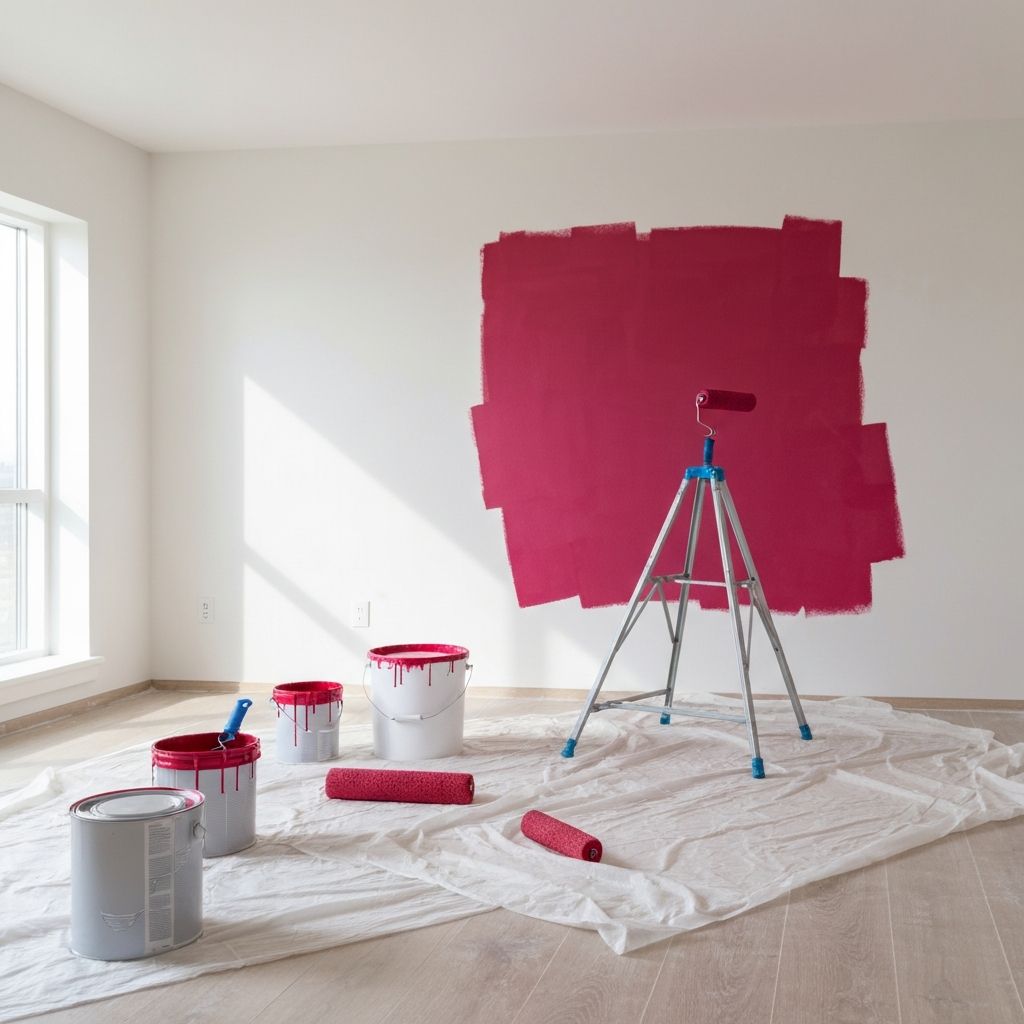
Understanding Room Painting Timelines
Painting a room is one of the most popular home improvement projects, and for good reason. A fresh coat of paint can completely transform the look and feel of any space. But before you grab a roller and start slapping paint on the walls, it's important to understand exactly how long the entire process will take. The answer isn't as straightforward as you might think, as several factors influence the overall timeline.
On average, painting a standard 12x12 room takes between 5 to 7 hours for an experienced painter, including preparation, priming, and two coats of paint. However, for a beginner, this timeline can stretch to 10 hours or more. Let's break down each phase of the painting process so you can plan accordingly.
Preparation Time: The Foundation of a Great Paint Job
Preparation is arguably the most important part of any painting project, and it often takes the longest. For a standard room, expect to spend between 1 to 3 hours on preparation alone. This includes moving furniture away from walls or to the center of the room, laying down drop cloths to protect floors and furniture, removing outlet covers and light switch plates, applying painter's tape along trim, ceiling edges, and around windows, and filling any holes or cracks with spackling compound.
If your walls are in poor condition with multiple holes, peeling paint, or textured surfaces that need smoothing, preparation time can easily double. Sanding walls smooth, applying joint compound, and letting it dry before sanding again can add several hours to your project. Don't rush this step because proper preparation directly affects the quality of your finished paint job.
You should also factor in time for cleaning the walls. Dust, grease, and grime can prevent paint from adhering properly. A quick wipe-down with a damp cloth or a solution of water and trisodium phosphate (TSP) is usually sufficient. For kitchen walls with grease buildup, you may need to spend extra time scrubbing.
Priming: When and Why You Need It
Priming is a step that many DIY painters skip, but it can make a significant difference in the final result. A coat of primer typically takes 30 minutes to 1 hour to apply in a standard room and needs 1 to 2 hours to dry before you can paint over it. You should use primer when you're painting over a dark color with a lighter one, when you're painting new drywall that has never been painted, when you're covering stains or water damage, or when you're switching between paint types such as going from oil-based to latex.
Many modern paints come with built-in primer, which can save you an entire step. However, in situations where you're making a dramatic color change or dealing with stained walls, a separate primer coat is still recommended. Self-priming paints work best when you're repainting a wall that's already in good condition with a similar color.
Painting: The Main Event
The actual painting process involves two main techniques: cutting in and rolling. Cutting in refers to using a brush to paint along edges, corners, and around trim where a roller can't reach. Rolling is the process of applying paint to the large, flat surfaces of the wall. For a standard 12x12 room, cutting in takes approximately 30 to 45 minutes per coat, while rolling the walls takes about 20 to 30 minutes per coat.
Most rooms require two coats of paint for optimal coverage and color depth. Between coats, you'll need to wait for the paint to dry, which typically takes 2 to 4 hours for latex paint and up to 24 hours for oil-based paint. This drying time is one of the biggest factors that can extend your painting timeline. Some painters choose to do the first coat in the evening and the second coat the following morning, effectively splitting the project across two days.
The type of paint you choose also affects application time. Flat and matte finishes tend to go on easily and hide imperfections well, but they're less durable. Semi-gloss and high-gloss paints are more durable and easier to clean but require more careful application to avoid visible brush strokes and roller marks. Eggshell and satin finishes offer a good middle ground for most rooms.
Factors That Affect Painting Time
Several variables can significantly impact how long it takes to paint a room. Room size is the most obvious factor because a large master bedroom will take considerably longer than a small bathroom. As a general rule, add about 30 minutes of painting time for every 50 square feet of wall space beyond a standard 12x12 room.
Ceiling height matters too. Standard 8-foot ceilings are manageable from a step stool, but rooms with 10-foot or vaulted ceilings require ladders and more time to reach high areas. Painting the ceiling itself adds another 1 to 2 hours to the project. The number of windows and doors in the room also affects timing, as each one requires careful cutting in and taping.
Wall condition plays a major role in the overall timeline. Smooth, previously painted walls in good condition are the fastest to paint. Textured walls, such as those with knockdown or orange peel texture, absorb more paint and take longer to cover evenly. Walls with wallpaper that needs removal can add an entire day to your project before you even start painting.
Your experience level is perhaps the biggest variable. Professional painters work much faster than beginners because they've developed efficient techniques for cutting in, rolling, and managing their tools. If you're painting for the first time, be generous with your time estimates and don't expect to match professional speeds.
Tips for Painting a Room Faster
While you shouldn't rush a paint job, there are several strategies to work more efficiently without sacrificing quality. Use high-quality tools because cheap brushes and rollers leave marks, shed fibers, and require more coats. Invest in a good angled brush for cutting in and a quality roller cover with the right nap length for your wall texture.
Work in sections by completing one wall at a time rather than jumping around the room. This helps maintain a wet edge and prevents visible lap marks where wet paint overlaps dried paint. Pour paint into a lined tray or bucket with a grid rather than dipping directly from the can, which saves time and reduces mess.
Consider using a paint sprayer for large rooms or multiple rooms. While setup and masking take longer, the actual application is significantly faster than brushing and rolling. Paint sprayers are particularly efficient for ceilings and large open walls. You can rent professional-quality sprayers from most hardware stores for a reasonable daily rate.
Complete Timeline Summary
Here's a realistic timeline for painting a standard 12x12 room from start to finish. Preparation including furniture moving, taping, and wall repair takes 1 to 3 hours. Priming, if needed, takes 30 minutes to apply plus 1 to 2 hours drying time. The first coat including cutting in and rolling takes 1 to 1.5 hours. Drying time between coats is 2 to 4 hours. The second coat takes another 1 to 1.5 hours. Cleanup including removing tape, replacing outlet covers, and moving furniture back takes 30 minutes to 1 hour.
In total, you're looking at approximately 6 to 13 hours for the complete project, spread across one or two days depending on drying times. Professional painters can often complete a standard room in a single day, while DIY beginners should plan for a full weekend to allow for learning curves and drying time between coats.
Remember that proper preparation and patience during drying times are the keys to a professional-looking finish. Rushing through any phase of the process will likely result in a paint job that looks amateurish and may need to be redone sooner than expected. Take your time, follow proper techniques, and you'll be rewarded with beautiful walls that look great for years to come.
