
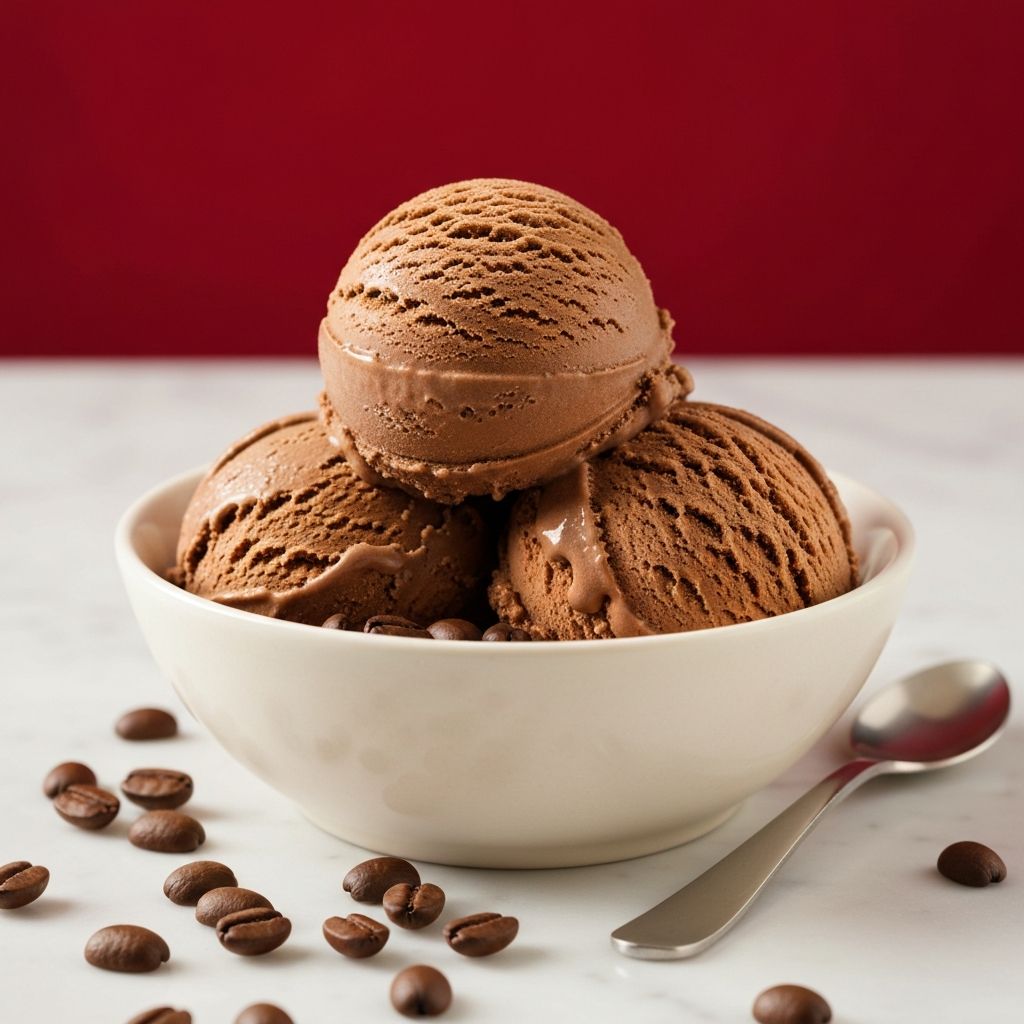
The Short Answer: Yes, Coffee Ice Cream Contains Caffeine
If you have ever wondered whether your favorite coffee ice cream gives you more than just a rich, roasted flavor, the answer is a resounding yes. Coffee ice cream does contain caffeine, and while it may not pack the same punch as your morning espresso, it is still enough to affect caffeine-sensitive individuals. The caffeine in coffee ice cream comes from real coffee or coffee extract used during the manufacturing process, which means the stimulant naturally makes its way into every creamy scoop.
Understanding how much caffeine is in your dessert is important, especially if you are watching your intake for health reasons. Whether you are pregnant, sensitive to caffeine, or simply trying to cut back, knowing the caffeine content of coffee ice cream can help you make informed decisions about your diet.
How Much Caffeine Is in Coffee Ice Cream?
The amount of caffeine in coffee ice cream varies significantly depending on the brand, the type of coffee used, and the recipe. On average, a half-cup serving of coffee ice cream contains between 20 and 45 milligrams of caffeine. To put this into perspective, a standard 8-ounce cup of brewed coffee contains roughly 95 milligrams of caffeine, while a shot of espresso delivers about 63 milligrams.
Some popular brands and their approximate caffeine content per half-cup serving include Haagen-Dazs Coffee Ice Cream at around 29 milligrams, Ben and Jerry's Coffee Heath Bar Crunch at approximately 40 milligrams, and Breyers Coffee Ice Cream at about 15 milligrams. As you can see, premium brands that use real coffee extract tend to have higher caffeine levels than economy brands that may rely on coffee flavoring.
It is worth noting that if you eat a full cup or a large bowl of coffee ice cream, you could easily consume 40 to 90 milligrams of caffeine, which is comparable to a cup of tea or even a small coffee. This is particularly important to consider if you are enjoying coffee ice cream as an after-dinner treat, as the caffeine could potentially interfere with your sleep.
Why Does Coffee Ice Cream Have Caffeine?
The caffeine in coffee ice cream is a natural consequence of the ingredients used to create that beloved coffee flavor. Most high-quality coffee ice creams are made with real coffee, whether in the form of brewed coffee, instant coffee, coffee extract, or even finely ground espresso beans. Since caffeine is a naturally occurring compound in coffee beans, it carries over into any product made with real coffee.
Some manufacturers use coffee flavoring instead of real coffee, which may contain little to no caffeine. However, these products often lack the depth and authenticity of flavor that comes with using real coffee. If you are specifically looking for a caffeine-free option, check the ingredient list for terms like natural and artificial flavors rather than coffee or coffee extract.
The roasting process of coffee beans does affect caffeine levels to some degree, but not as much as many people believe. Darker roasts actually have slightly less caffeine per bean than lighter roasts, though the difference is minimal. The primary factor that determines caffeine content in coffee ice cream is the amount and concentration of coffee used in the recipe.
Comparing Coffee Ice Cream Caffeine to Other Sources
To truly understand how much caffeine you are getting from coffee ice cream, it helps to compare it to other common sources of caffeine. A half-cup serving of coffee ice cream with about 30 milligrams of caffeine contains roughly the same amount as a 12-ounce can of Coca-Cola, which has about 34 milligrams. It is less than a cup of green tea, which typically has 25 to 50 milligrams, and significantly less than a standard cup of brewed coffee at 95 milligrams.
However, coffee ice cream has more caffeine than a cup of decaf coffee, which still contains about 2 to 15 milligrams per cup. It also has more caffeine than most chocolate desserts, as a standard chocolate bar contains only about 10 to 20 milligrams of caffeine. This means that coffee ice cream sits in a moderate range when it comes to caffeine content among desserts and beverages.
For those who are particularly sensitive to caffeine, even the moderate amount found in coffee ice cream can cause side effects such as jitteriness, increased heart rate, or difficulty sleeping. If you enjoy coffee ice cream but want to minimize your caffeine intake, consider eating it earlier in the day rather than as an evening dessert.
Caffeine-Free Alternatives to Coffee Ice Cream
If you love the taste of coffee but want to avoid caffeine entirely, there are several alternatives worth exploring. Some brands offer decaf coffee ice cream, which uses decaffeinated coffee beans to provide the flavor without the stimulant. While decaf options are not completely caffeine-free, they typically contain only 2 to 5 milligrams per serving, which is negligible for most people.
Another option is to look for coffee-flavored ice cream that uses artificial or natural coffee flavoring rather than real coffee. These products can replicate the taste of coffee without any caffeine content. You can also make your own coffee ice cream at home using decaf coffee or coffee-flavored syrup, giving you complete control over the ingredients.
For those who want a completely caffeine-free dessert with a similar rich and slightly bitter flavor profile, consider trying caramel, butterscotch, or dark chocolate ice cream. While these flavors are not identical to coffee, they share some of the same warm, roasted notes that make coffee ice cream so appealing.
Does Coffee Ice Cream Affect Sleep?
One of the most common concerns about caffeine in coffee ice cream is whether it can affect your sleep. The answer depends on several factors, including your personal sensitivity to caffeine, how much ice cream you eat, and when you eat it. Caffeine has a half-life of approximately 5 to 6 hours, meaning that if you consume 30 milligrams of caffeine at 8 PM, you will still have about 15 milligrams in your system at 1 AM.
For most healthy adults, the amount of caffeine in a single serving of coffee ice cream is unlikely to cause significant sleep disruption. However, if you are particularly sensitive to caffeine or if you combine coffee ice cream with other sources of caffeine throughout the day, the cumulative effect could be enough to keep you awake or reduce your sleep quality.
A good rule of thumb is to avoid consuming coffee ice cream within 4 to 6 hours of your intended bedtime if you are concerned about sleep disruption. You can also opt for a smaller portion or choose a brand with lower caffeine content to minimize any potential effects.
The Bottom Line on Caffeine in Coffee Ice Cream
Coffee ice cream does contain caffeine, typically ranging from 15 to 45 milligrams per half-cup serving. While this is significantly less than a cup of coffee, it is still enough to be noteworthy for caffeine-sensitive individuals, pregnant women, children, and anyone monitoring their caffeine intake. The caffeine comes from real coffee or coffee extract used in the recipe, and the exact amount varies by brand and recipe.
If you enjoy coffee ice cream and caffeine is not a concern for you, feel free to indulge without worry. However, if you are trying to limit your caffeine intake, be mindful of portion sizes, choose brands with lower caffeine content, or explore decaf alternatives. Understanding what is in your food empowers you to make choices that align with your health goals while still enjoying the flavors you love.
