
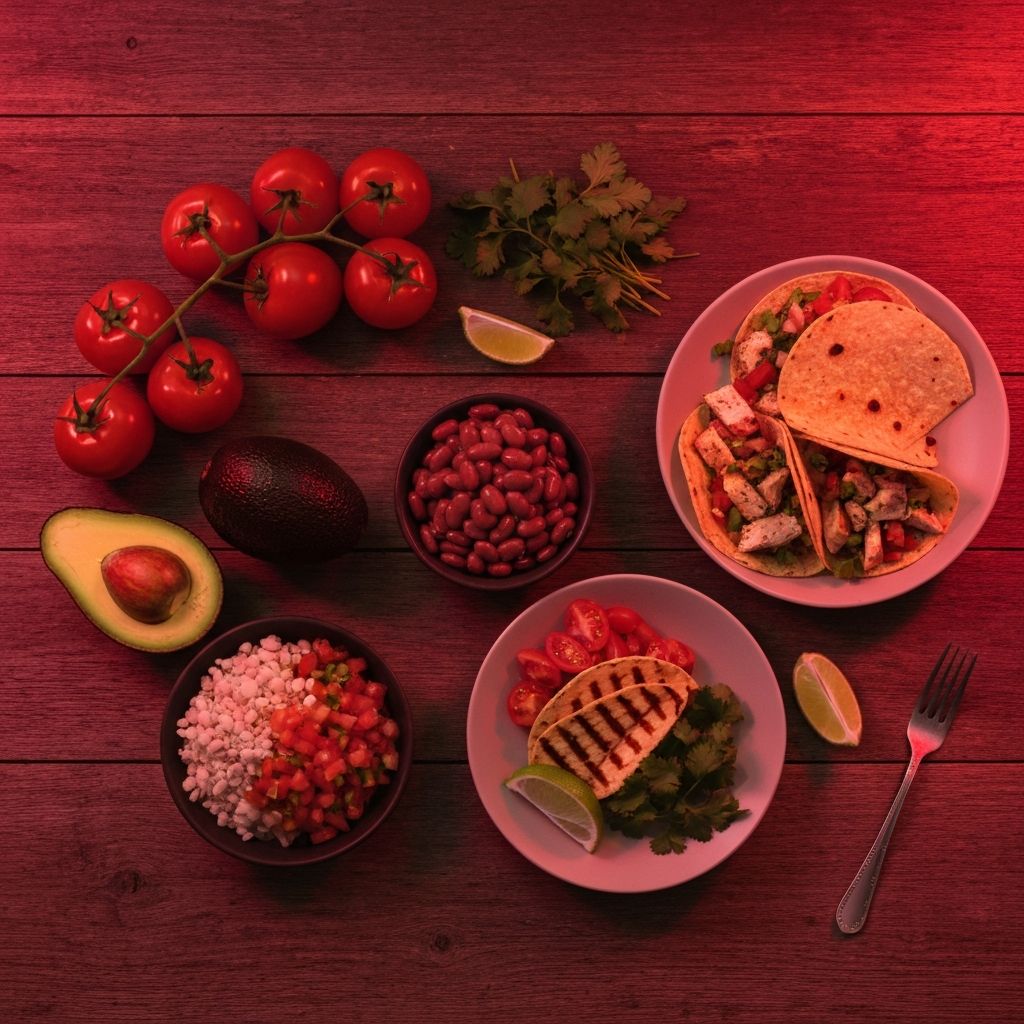
Introduction to Mexican Cuisine and Health
Mexican food is one of the most beloved cuisines in the world, known for its bold flavors, vibrant colors, and diverse ingredients. But when it comes to health, many people wonder: is Mexican food actually good for you? The answer, like most things in nutrition, is nuanced. Traditional Mexican cuisine is built on a foundation of whole, nutrient-dense ingredients like beans, corn, tomatoes, avocados, and chili peppers. However, the Americanized versions of Mexican dishes often include excessive cheese, sour cream, and deep-fried components that can turn an otherwise healthy meal into a calorie bomb.
Understanding the difference between authentic Mexican food and its fast-food counterparts is essential for making informed dietary choices. In this comprehensive guide, we will explore the nutritional profile of Mexican cuisine, highlight the healthiest dishes, and provide tips for enjoying Mexican food without compromising your health goals.
The Nutritional Powerhouses of Mexican Cooking
At the heart of traditional Mexican cuisine are ingredients that nutritionists consistently recommend for a balanced diet. Beans, for example, are a staple in Mexican cooking and are an excellent source of plant-based protein, fiber, iron, and folate. Black beans, pinto beans, and kidney beans are commonly used in dishes like refried beans, bean soups, and burritos. A single cup of cooked black beans provides about 15 grams of protein and 15 grams of fiber, making them incredibly satiating and beneficial for digestive health.
Avocados, another cornerstone of Mexican food, are rich in heart-healthy monounsaturated fats, potassium, vitamin K, and folate. Guacamole, made from mashed avocados with lime juice, onions, and cilantro, is one of the healthiest condiments you can enjoy. Studies have shown that regular avocado consumption is associated with lower cholesterol levels, reduced inflammation, and improved cardiovascular health.
Tomatoes and chili peppers are also fundamental to Mexican cuisine. Tomatoes are loaded with lycopene, a powerful antioxidant linked to reduced risk of heart disease and certain cancers. Chili peppers contain capsaicin, which has been shown to boost metabolism, reduce appetite, and provide anti-inflammatory benefits. Salsas made from fresh tomatoes, chilies, and onions are a low-calorie, nutrient-rich addition to any meal.
Healthiest Mexican Dishes to Enjoy
When choosing Mexican food with health in mind, there are several standout dishes that deliver both flavor and nutrition. Grilled fish tacos made with fresh corn tortillas, cabbage slaw, and salsa verde are an excellent choice. They provide lean protein, healthy fats from the fish, and fiber from the vegetables and corn tortillas. A serving of two fish tacos typically contains around 300-400 calories, making it a reasonable meal option.
Chicken or shrimp fajitas are another healthy choice, especially when loaded with grilled bell peppers, onions, and served with corn tortillas instead of flour. The combination of lean protein and vegetables makes fajitas a well-rounded meal. Ceviche, a dish of raw fish cured in citrus juice and mixed with tomatoes, onions, cilantro, and avocado, is low in calories and high in protein and omega-3 fatty acids.
Pozole, a traditional Mexican soup made with hominy corn and typically pork or chicken, is rich in nutrients and fiber. The broth-based nature of the dish means it is relatively low in calories while being highly satisfying. Similarly, tortilla soup made with a tomato-based broth, shredded chicken, and garnished with avocado and lime is a nutrient-dense option.
Mexican Ingredients That Boost Your Health
Corn tortillas are a significantly healthier option compared to flour tortillas. They are lower in calories, fat, and sodium while providing more fiber and essential minerals. A standard corn tortilla has about 60 calories and 1 gram of fat, compared to a flour tortilla which can have 150 calories and 4 grams of fat. Corn tortillas are also naturally gluten-free, making them suitable for people with gluten sensitivities.
Cilantro, widely used in Mexican cuisine, is more than just a garnish. It contains vitamins A, C, and K, and has been studied for its potential to help remove heavy metals from the body. Lime juice, another ubiquitous ingredient, is rich in vitamin C and aids in iron absorption from plant-based foods like beans.
Epazote, a traditional Mexican herb, is known for its digestive benefits and is commonly added to bean dishes to reduce bloating. Nopales, or cactus paddles, are a traditional Mexican vegetable that is low in calories and high in fiber, vitamins, and antioxidants. They have been studied for their potential to help manage blood sugar levels in people with type 2 diabetes.
Common Pitfalls and How to Avoid Them
While traditional Mexican food can be incredibly healthy, there are common pitfalls to avoid. Cheese-heavy dishes like quesadillas, nachos, and enchiladas smothered in queso can quickly become calorie-dense. A single order of cheese nachos at a restaurant can contain over 1,500 calories and 90 grams of fat. Instead, opt for dishes that use cheese as a garnish rather than a main ingredient.
Deep-fried items like chimichangas, churros, and hard-shell tacos add unnecessary calories and unhealthy fats. Choose grilled, baked, or steamed options whenever possible. Sour cream and excessive amounts of guacamole can also add up quickly. While guacamole is healthy, portion control is important since avocados are calorie-dense.
Restaurant portions of Mexican food tend to be significantly larger than what you would serve at home. Consider sharing dishes, asking for half portions, or taking leftovers home. Be mindful of the free chips and salsa basket, which can easily add 500 or more calories before your main dish arrives.
Making Mexican Food Healthier at Home
Cooking Mexican food at home gives you complete control over ingredients and portions. Use lean proteins like grilled chicken breast, fish, or shrimp instead of ground beef or carnitas. Swap sour cream for plain Greek yogurt, which provides a similar tangy flavor with more protein and less fat. Use fresh salsas instead of creamy, cheese-based sauces.
Build your meals around vegetables by making veggie-heavy burritos, salads, or taco bowls. Use brown rice instead of white rice for added fiber and nutrients. Make your own refried beans using a small amount of olive oil instead of lard, or simply use whole beans for maximum nutritional benefit.
Experiment with traditional Mexican recipes that are naturally healthy, such as chicken tortilla soup, grilled corn with lime and chili powder, or bean and vegetable enchiladas with a light red sauce. These dishes showcase the best of Mexican cuisine while keeping your health goals on track.
Conclusion
Mexican food can absolutely be a healthy part of your diet when you focus on traditional, whole-food ingredients and make smart choices about preparation methods and portions. The cuisine's reliance on beans, vegetables, lean proteins, and flavorful spices makes it inherently nutritious. By avoiding the common traps of excessive cheese, fried foods, and oversized portions, you can enjoy the rich flavors of Mexican cuisine while supporting your overall health and wellness goals.
