
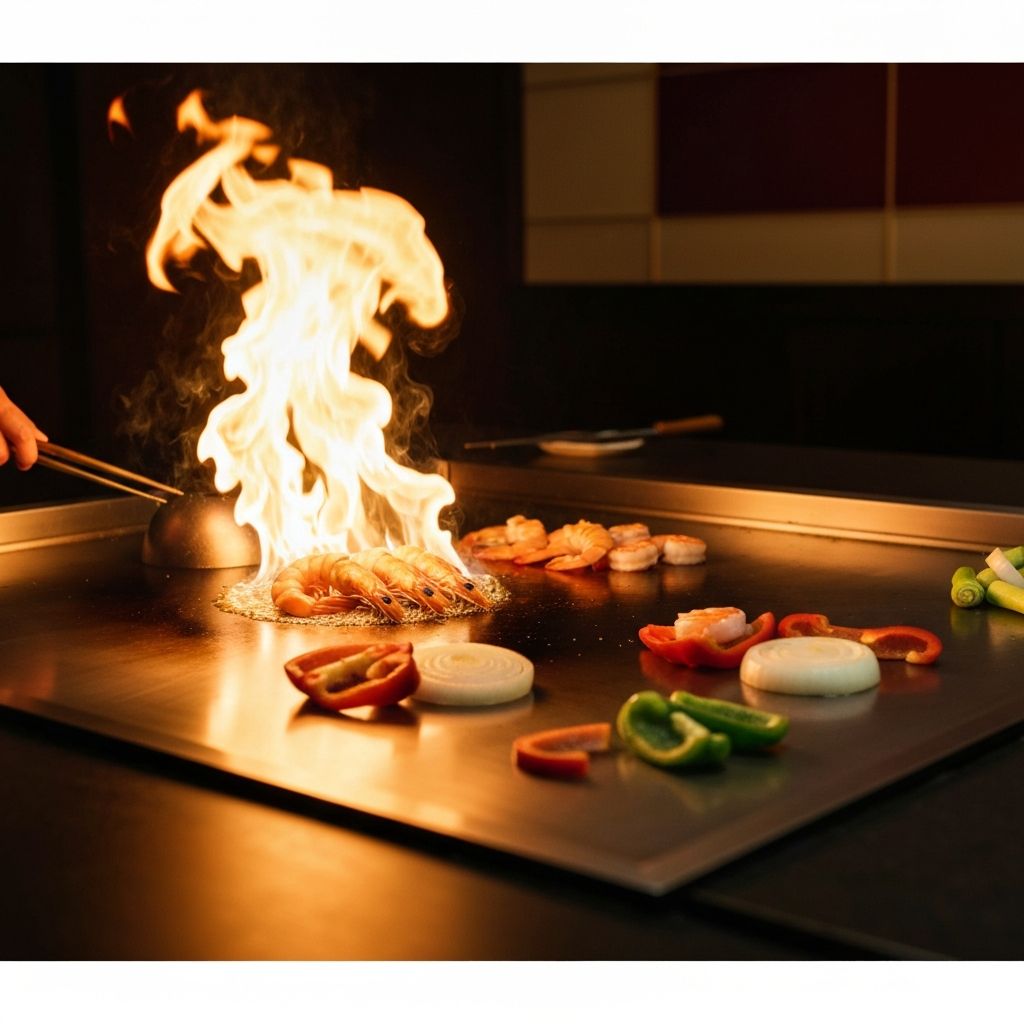
Introduction to Hibachi Food
Hibachi food has become one of the most popular dining experiences in the United States and around the world. The word "hibachi" literally translates to "fire bowl" in Japanese, referring to the traditional heating device used in Japan for centuries. However, what most Americans recognize as hibachi cooking is actually closer to teppanyaki, a style of cooking that uses a flat iron griddle to prepare food right before diners' eyes.
The theatrical nature of hibachi dining, where skilled chefs flip shrimp tails into their hats, create onion volcanoes, and juggle cooking utensils, has made it a favorite for celebrations, date nights, and family gatherings. But beyond the showmanship lies genuinely delicious food rooted in Japanese culinary traditions.
The History and Origins of Hibachi Cooking
The traditional hibachi dates back to the Heian period in Japan (794-1185 AD). Originally, it was a cylindrical container made from cypress wood and lined with clay, used primarily for heating rooms rather than cooking food. These heating devices burned charcoal and were essential during cold Japanese winters.
The transition from heating device to cooking method happened gradually. Street vendors in Japan began using similar charcoal-burning grills to cook small items like yakitori (grilled chicken skewers) and other quick bites. The modern hibachi restaurant concept, however, is largely an American invention.
In 1964, Rocky Aoki opened the first Benihana restaurant in New York City, introducing the concept of teppanyaki-style dining to American audiences. The combination of skilled cooking, entertainment, and communal seating quickly became a sensation. While Aoki marketed it as "hibachi," the cooking style more accurately falls under teppanyaki, which uses a flat griddle rather than an open grate.
What Makes Hibachi Food Unique
Several characteristics set hibachi food apart from other cooking styles. First, the cooking surface itself plays a crucial role. The flat iron griddle, typically heated to extremely high temperatures (around 450 degrees Fahrenheit), allows for quick searing and caramelization that locks in flavors and creates that signature smoky taste.
The ingredients used in hibachi cooking are typically simple but high quality. Common proteins include chicken breast, filet mignon, shrimp, scallops, lobster tail, and salmon. These are paired with fresh vegetables like zucchini, onions, mushrooms, broccoli, and bean sprouts. The simplicity of the ingredients allows the cooking technique and seasonings to shine.
Hibachi seasoning is another defining element. Most hibachi chefs use a combination of soy sauce, sesame oil, garlic butter, sake or mirin, and various proprietary spice blends. The garlic butter, in particular, is a cornerstone of hibachi cooking, used generously on both proteins and vegetables to create rich, savory flavors.
Classic Hibachi Menu Items
A typical hibachi meal follows a set progression that has become almost ritualistic for regular diners. The meal usually begins with a clear onion soup, often called "Japanese onion soup," made with a chicken or beef broth base flavored with soy sauce, mushrooms, and green onions. This light, warming soup sets the stage for the main course.
Next comes the salad, typically a simple iceberg lettuce salad topped with hibachi ginger dressing. This tangy, slightly sweet dressing made from fresh ginger, vinegar, celery, and other ingredients has become so popular that many grocery stores now sell bottled versions.
The main course is where hibachi truly shines. Diners typically choose from a variety of protein options that are cooked alongside fried rice and mixed vegetables on the griddle. Hibachi fried rice is particularly noteworthy, as chefs prepare it with day-old rice, eggs, butter, soy sauce, and vegetables, creating a dish with perfectly separated grains and rich umami flavor.
The yum yum sauce (also called white sauce or shrimp sauce) is perhaps the most iconic condiment in hibachi dining. This creamy, slightly sweet sauce made from mayonnaise, tomato paste, garlic, paprika, and other seasonings is served alongside every hibachi meal and has developed a cult following of its own.
Hibachi Cooking Techniques
Professional hibachi chefs undergo extensive training to master both the culinary and entertainment aspects of their craft. The cooking techniques employed at the hibachi grill are designed to maximize flavor while creating an engaging visual experience.
High-heat searing is the foundation of hibachi cooking. By cooking proteins and vegetables at extremely high temperatures for short periods, chefs achieve a beautiful caramelized exterior while keeping the interior juicy and tender. This technique, known as the Maillard reaction, creates complex flavor compounds that give hibachi food its distinctive taste.
Mise en place, or the preparation of all ingredients before cooking begins, is essential in hibachi cooking. Because the griddle operates at such high temperatures and cooking times are short, every ingredient must be cut to the proper size and ready to go before the chef begins. Vegetables are typically cut into uniform pieces to ensure even cooking, and proteins are portioned precisely.
How to Make Hibachi Food at Home
While the full hibachi restaurant experience is difficult to replicate at home, you can certainly recreate the flavors. A large cast-iron skillet or flat griddle pan heated to high temperatures serves as an excellent substitute for the teppanyaki grill. The key is to cook in batches rather than overcrowding the pan, which would cause steaming instead of searing.
For hibachi fried rice, use day-old rice that has been refrigerated overnight. The drier texture of cold rice prevents it from becoming mushy during cooking. Heat your pan with sesame oil and butter, scramble eggs to one side, then add the rice and season with soy sauce, garlic, and white pepper.
Hibachi vegetables should be cooked quickly over high heat with garlic butter and a splash of soy sauce. Cut all vegetables to similar sizes for even cooking, and avoid stirring too frequently to allow proper caramelization.
Hibachi vs. Teppanyaki: Understanding the Difference
While the terms are often used interchangeably in Western culture, hibachi and teppanyaki are technically different cooking methods. Traditional hibachi uses an open-grate charcoal grill, producing food with a smokier flavor profile. Teppanyaki uses a flat iron griddle, which is what you see at most "hibachi" restaurants in America.
True hibachi grilling is more similar to American barbecue in concept, using direct heat from charcoal to cook food on a grate. The food cooked this way tends to have more pronounced smoky flavors and grill marks. Teppanyaki cooking, on the other hand, relies on the flat surface and high heat of the iron griddle, producing food with more caramelization and a different texture profile.
Despite this distinction, the term "hibachi" has become so deeply embedded in American dining culture that it effectively refers to the teppanyaki-style experience. Whether you call it hibachi or teppanyaki, the result is the same: delicious, freshly prepared food cooked with skill and flair right before your eyes.
Health Considerations of Hibachi Food
Hibachi food can be a reasonably healthy dining option, depending on your choices. Grilled proteins like chicken breast and shrimp are lean and high in protein. The vegetables served alongside are minimally processed and retain many of their nutrients due to the quick cooking method.
However, hibachi cooking does use generous amounts of butter, oil, and soy sauce, which can add significant calories and sodium to the meal. The fried rice, while delicious, is calorie-dense due to the added butter and oil. For a healthier hibachi meal, consider requesting less butter and oil, choosing steamed rice over fried rice, and loading up on vegetables.
A typical hibachi dinner can range from 700 to over 1,500 calories depending on your protein choice and portion sizes. Being mindful of sauce consumption, particularly the yum yum sauce which is mayonnaise-based, can help keep your meal within a reasonable calorie range while still enjoying the full hibachi experience.
