
Who Is Vevor?
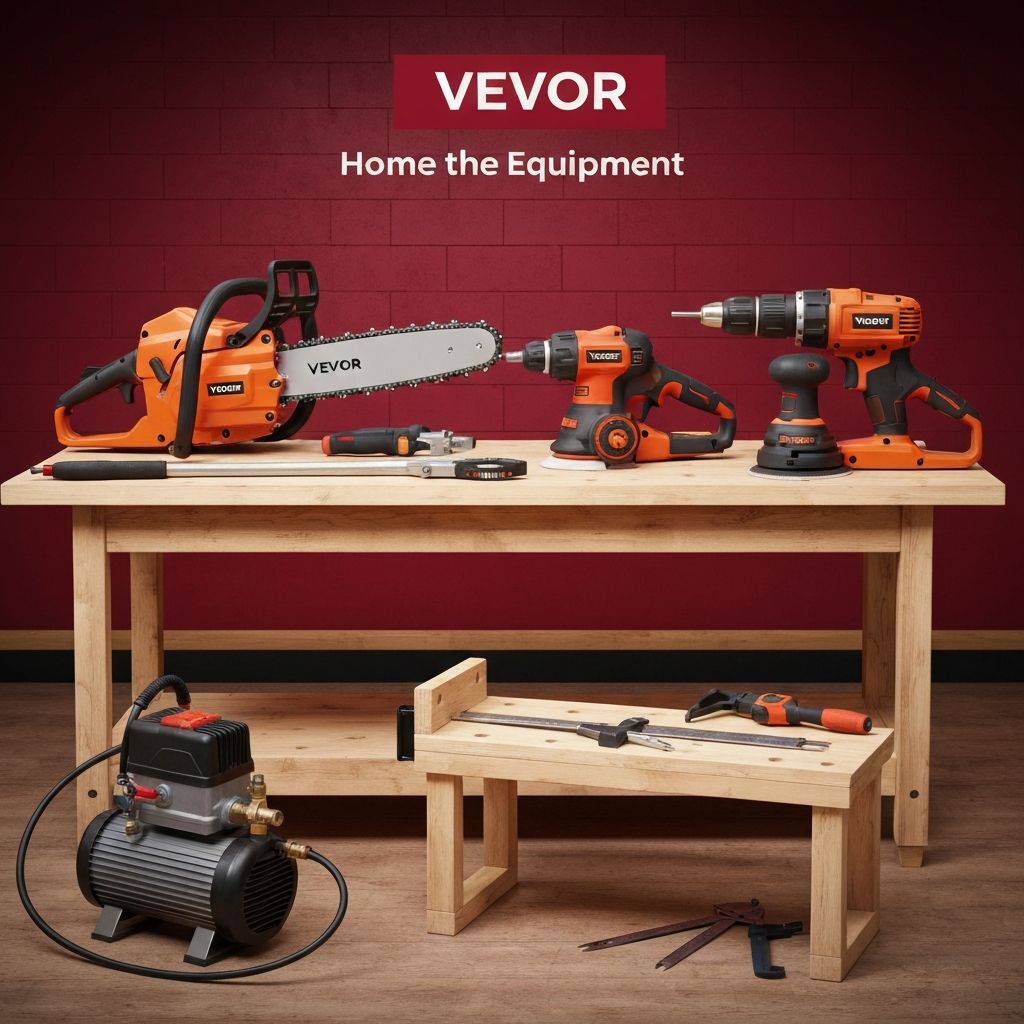
Vevor is a rapidly growing online brand that specializes in industrial equipment, tools, machinery, and various home and garden products. Founded in 2007, the company operates primarily through online marketplaces such as Amazon and its own e-commerce website. Vevor has built its business model around offering a wide range of products at highly competitive prices, making professional-grade equipment accessible to hobbyists, small business owners, and DIY enthusiasts who might otherwise be priced out of the market.
The brand's product catalog is remarkably diverse, spanning categories including restaurant and food service equipment, automotive tools, welding supplies, outdoor and camping gear, fitness equipment, laboratory instruments, and home improvement products. This breadth of offerings has helped Vevor attract a large and varied customer base, but it has also raised questions about whether the brand can maintain consistent quality across such a wide range of product categories.
Product Quality and Performance
The quality of Vevor products is perhaps the most debated aspect of the brand. Customer experiences vary significantly depending on the specific product category and the individual item purchased. Generally, Vevor products are best described as offering acceptable quality at their price point, with performance that is adequate for light to moderate use but may fall short under heavy or professional-grade demands.
In categories like food service equipment, Vevor has earned generally positive reviews. Products such as commercial food warmers, cotton candy machines, and meat grinders are frequently praised for performing well in small-scale commercial or home-use applications. These products often replicate the basic functionality of more expensive brand-name equivalents, making them attractive options for startup businesses and home users.
Power tools and industrial equipment represent a more mixed picture. While many customers report satisfactory performance for occasional or light use, some users have noted issues with durability, precision, and build quality when compared to established brands like DeWalt, Makita, or Milwaukee. Components such as motors, bearings, and switches may not be as robust as those found in premium products, leading to shorter lifespans under heavy use.
Pricing and Value
Pricing is arguably Vevor's greatest strength and the primary reason for its rapid growth. Vevor products are typically priced 50% to 80% below comparable products from established brands. This aggressive pricing strategy makes Vevor particularly attractive to budget-conscious consumers, hobbyists who need equipment for occasional use, and small business owners who need to equip their operations without a large capital investment.
For example, a commercial-grade meat slicer from a premium brand might cost $500 to $1,000, while a similar Vevor model might be available for $100 to $200. The savings are substantial, and for many users, the Vevor product provides sufficient performance for their needs at a fraction of the cost. This value proposition has earned Vevor a loyal following among cost-conscious consumers.
However, the old adage "you get what you pay for" applies to some extent with Vevor products. While the initial cost savings are significant, the potential for shorter product lifespans and the occasional need for replacement parts or repairs can reduce the long-term value proposition. Consumers should weigh the upfront savings against the potential for higher long-term costs when deciding whether a Vevor product is the right choice.
Customer Service and Support
Customer service is an area where Vevor has shown improvement over time but still receives mixed reviews. As an online-first brand with products shipped primarily from overseas warehouses, Vevor faces inherent challenges in providing the responsive, hands-on customer service that consumers have come to expect from domestic brands.
Positive customer service experiences typically involve straightforward returns, replacements for defective products, and responsive email communication. Vevor has invested in its customer service infrastructure and maintains active customer support channels through its website, email, and social media platforms. The company also provides product manuals and instructional videos to help customers with assembly and operation.
Negative experiences often involve communication delays, particularly for customers who need technical support or have complex issues. Language barriers can occasionally complicate customer service interactions, and some customers have reported difficulty obtaining replacement parts for specific products. These challenges are not unique to Vevor and are common among brands that operate primarily through online channels with overseas manufacturing.
Warranty and Return Policies
Vevor offers a standard warranty on most of its products, though the specific terms can vary by product category and purchase channel. Products purchased through Vevor's own website typically come with a warranty that covers manufacturing defects for a specified period. Products purchased through third-party marketplaces like Amazon may also be covered by the marketplace's own return and refund policies.
The warranty process generally requires customers to contact Vevor's customer service team, provide proof of purchase and documentation of the defect, and follow the company's instructions for returns or replacements. In many cases, Vevor will ship a replacement product or part without requiring the customer to return the defective item, which simplifies the process and reduces inconvenience.
Vevor vs. Established Brands
Comparing Vevor to established brands requires acknowledging the fundamental differences in pricing, target market, and use cases. Established brands like DeWalt, Bosch, Hobart, and Lincoln Electric have decades of engineering expertise, extensive quality control processes, and professional-grade products designed for heavy daily use. These brands command premium prices that reflect their superior materials, construction, and performance.
Vevor, by contrast, targets a different market segment. Its products are designed for consumers who need functional equipment at an affordable price and are willing to accept some trade-offs in terms of durability and precision. For occasional use, hobbyist applications, and small-scale commercial operations, Vevor products often provide adequate performance that meets or exceeds the expectations set by their price point.
The decision between Vevor and an established brand ultimately comes down to the specific use case. For professional applications where reliability, precision, and durability are critical, investing in an established brand is generally the better choice. For home use, occasional projects, and situations where the budget is a primary constraint, Vevor offers a viable alternative that can deliver satisfactory results.
Best Vevor Products to Consider
Among Vevor's extensive product lineup, certain categories consistently receive higher ratings and more positive reviews. Food service equipment, including commercial warmers, display cases, and small-scale food processing equipment, is generally well-regarded. These products tend to be simpler in design and less demanding in terms of engineering precision, which plays to Vevor's strengths.
Outdoor and garden equipment, such as greenhouse heaters, compost tumblers, and outdoor furniture, also receives positive feedback. These products offer practical functionality at prices that make them accessible to a wide range of consumers. Workshop equipment, including workbenches, vises, and storage solutions, is another category where Vevor provides good value.
Final Verdict
Vevor is a good brand for consumers who prioritize affordability and need functional equipment for light to moderate use. The brand offers exceptional value in terms of price-to-performance ratio, making professional-style equipment accessible to hobbyists, DIY enthusiasts, and small business owners. While Vevor products may not match the durability and precision of premium brands, they provide a practical and cost-effective solution for many common applications. As with any purchase, consumers should research specific products, read customer reviews, and set realistic expectations based on the price point to ensure they make informed purchasing decisions.
