
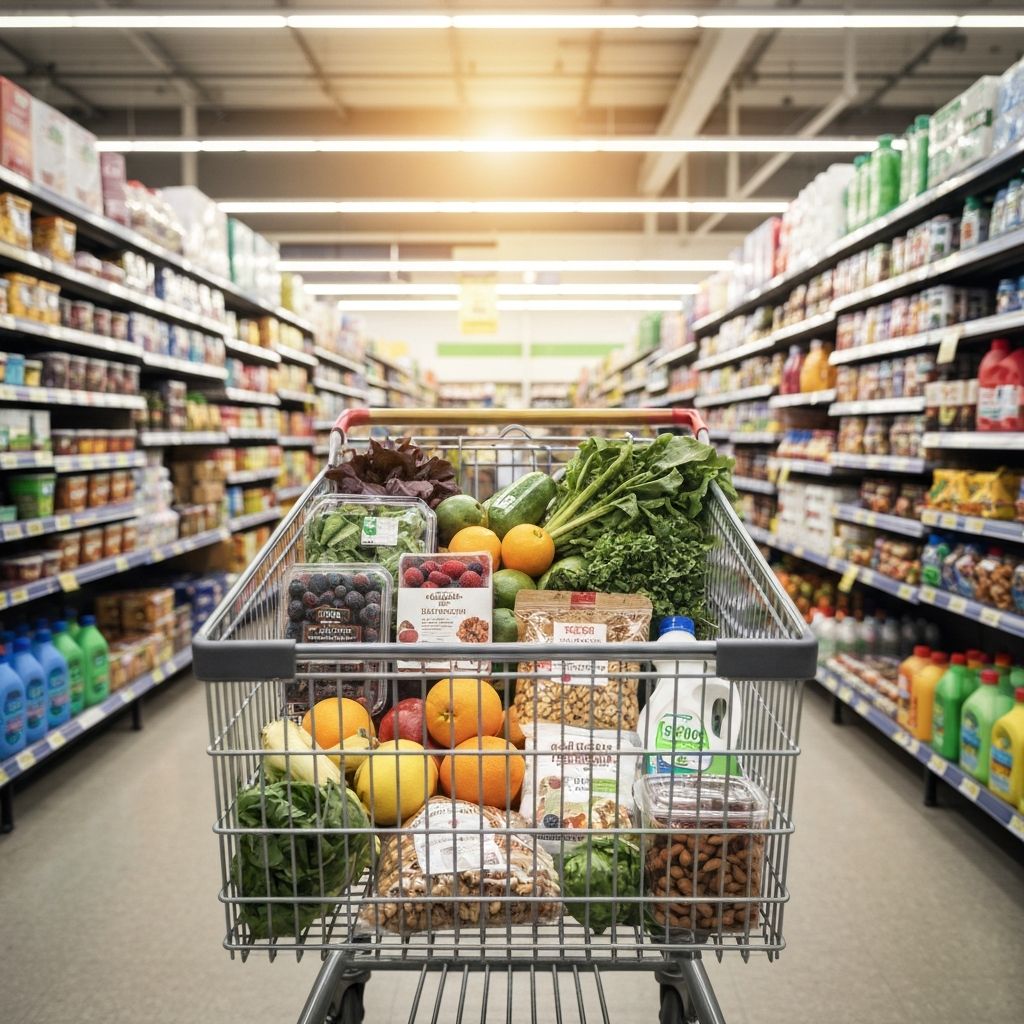
Does Aldi Accept SNAP Benefits
Yes, Aldi accepts food stamps, officially known as Supplemental Nutrition Assistance Program (SNAP) benefits, at all of its locations across the United States. As one of the fastest-growing grocery chains in America, with over 2,300 stores nationwide, Aldi has been an authorized SNAP retailer for many years. Customers can use their Electronic Benefits Transfer (EBT) cards to purchase eligible food items at any Aldi store, making it one of the most accessible and affordable grocery options for SNAP recipients.
This is great news for the approximately 42 million Americans who rely on SNAP benefits to help feed themselves and their families. Aldis reputation for offering high-quality groceries at significantly lower prices than traditional supermarkets makes it an ideal shopping destination for those looking to stretch their food budget as far as possible. In many cases, SNAP recipients can purchase 30 to 50 percent more food at Aldi compared to conventional grocery stores.
How to Use Your EBT Card at Aldi
Using your EBT card at Aldi is straightforward and follows the same process as using a debit card. When you are ready to check out, inform the cashier that you will be paying with your EBT card. At Aldi, which primarily uses cashier-operated checkout lanes, the cashier will process your order and prompt you to swipe or insert your EBT card in the card reader.
After swiping your card, you will be asked to enter your four-digit Personal Identification Number (PIN). The terminal will then process the transaction, deducting the cost of eligible items from your SNAP balance. If your purchase includes items that are not eligible for SNAP, those items will be separated, and you will need to pay for them using another payment method such as cash, debit card, or credit card.
Many Aldi locations now also offer self-checkout kiosks, which accept EBT cards as well. The process at self-checkout is similar, with the machine guiding you through the payment process and automatically separating SNAP-eligible and non-eligible items. If you encounter any difficulties, Aldi staff are available to assist.
It is worth noting that Aldi does not currently accept EBT cards for online grocery orders or delivery services. SNAP benefits can only be used for in-store purchases at this time. However, the USDA has been expanding its SNAP Online Purchasing Pilot program, and it is possible that Aldi may begin accepting EBT for online orders in the future.
What You Can and Cannot Buy with SNAP at Aldi
SNAP benefits can be used to purchase most food and beverage items at Aldi. Eligible items include fruits and vegetables (fresh, frozen, and canned), meat, poultry, and fish, dairy products (milk, cheese, yogurt, butter), bread and cereals, snack foods and non-alcoholic beverages, seeds and plants that produce food for the household, and any other food items intended for human consumption.
There are certain items that cannot be purchased with SNAP benefits, regardless of where you shop. These include alcoholic beverages (beer, wine, liquor), tobacco products, vitamins and supplements, medicines and health products, pet food, cleaning supplies, paper products, and any non-food household items. At Aldi, which also sells a selection of non-food items in its Aldi Finds section, these rotating specialty products would need to be purchased separately with another form of payment.
Hot prepared foods and foods that will be eaten in the store are also not eligible for SNAP purchases. However, this is rarely an issue at Aldi, as the chain does not typically operate a hot food counter or deli with prepared meals. Nearly everything on Aldis shelves is SNAP-eligible, making it easy for EBT customers to fill their carts without worrying about ineligible items.
Why Aldi Is Perfect for Budget-Conscious Shoppers
Aldis unique business model makes it one of the most budget-friendly grocery stores in the country, which is particularly valuable for SNAP recipients who need to maximize every dollar. The chain keeps prices low through several innovative strategies that differentiate it from traditional supermarkets.
First, approximately 90 percent of the products sold at Aldi are exclusive private-label brands. By eliminating the middleman and controlling the entire supply chain, Aldi can offer products at prices 20 to 50 percent lower than comparable name-brand items at other stores. Independent taste tests have consistently shown that Aldis private-label products match or exceed the quality of national brands.
Aldis no-frills store design also contributes to lower prices. Stores are compact, typically around 12,000 square feet compared to the 45,000 to 65,000 square feet of a typical supermarket. Products are displayed in their original shipping boxes rather than on elaborate shelving, reducing labor costs associated with stocking shelves. Customers bag their own groceries and are expected to bring their own bags or purchase them at the store.
The cart deposit system, in which customers insert a quarter to release a shopping cart and receive it back upon return, eliminates the need for employees to collect carts from the parking lot. These seemingly small efficiencies add up to significant savings that Aldi passes on to customers in the form of lower prices.
Tips for Maximizing Your SNAP Benefits at Aldi
To get the most value from your SNAP benefits at Aldi, consider planning your meals before you shop. Create a weekly meal plan based on affordable staples like rice, beans, pasta, eggs, frozen vegetables, and seasonal produce. Aldis prices on these staple items are typically among the lowest available, allowing you to build nutritious meals on a tight budget.
Take advantage of Aldis weekly specials, which are highlighted in their weekly ad circular available in-store and online. While Aldis everyday prices are already competitive, the weekly specials offer even deeper discounts on selected items. Timing your shopping trips to coincide with the start of new weekly ad periods ensures the best selection of sale items.
Buy frozen fruits and vegetables, which are often just as nutritious as fresh options and cost significantly less. Aldis frozen food section offers a wide variety of vegetables, fruits, and other frozen items at prices that are hard to beat. Frozen produce also has the advantage of a much longer shelf life, reducing food waste and ensuring you always have healthy options available.
Consider shopping at Aldi for basics and staples, which is where the store truly excels in terms of value. Produce, dairy, bread, eggs, canned goods, pasta, rice, and frozen foods are all significantly cheaper at Aldi than at most competitors. For specialty items or specific brands not available at Aldi, you can supplement your shopping at other stores that also accept SNAP benefits.
Other Discount Grocers That Accept SNAP
While Aldi is one of the best options for SNAP recipients looking to maximize their benefits, it is not the only discount grocer that accepts EBT cards. Lidl, another European-style discount grocery chain expanding rapidly in the United States, also accepts SNAP benefits and offers similarly low prices on a primarily private-label product selection.
Dollar General and Dollar Tree, while not traditional grocery stores, accept SNAP benefits and carry a selection of food items that can supplement your Aldi purchases. Walmart, the largest SNAP retailer in the country, offers its own low-price grocery options and has the advantage of an extensive product selection.
Warehouse clubs like Sams Club and Costco also accept SNAP benefits, though they require paid memberships. For SNAP recipients who can afford the membership fee and have the storage space for bulk purchases, these stores can offer significant per-unit savings on staples like rice, beans, frozen meats, and canned goods.
Farmers markets are increasingly accepting SNAP benefits as well, with many offering Double Up Food Bucks programs that match SNAP dollars spent on fresh fruits and vegetables. These programs effectively double your purchasing power for produce, making it even more affordable to eat fresh, healthy food.
Understanding Your SNAP Benefits
If you are not yet enrolled in SNAP but believe you may be eligible, understanding the basics of the program can help you determine whether to apply. SNAP eligibility is based primarily on household income, with gross monthly income generally needing to be at or below 130 percent of the federal poverty level. Net monthly income, after allowable deductions, must be at or below 100 percent of the poverty level.
The application process varies by state but generally involves submitting an application, providing documentation of income and expenses, and completing an interview. Many states now offer online applications, making the process more convenient. Once approved, benefits are loaded onto an EBT card each month and can be used immediately at authorized retailers like Aldi.
The average monthly SNAP benefit for a family of four is approximately 680 dollars, though this varies based on income, household size, and other factors. By shopping strategically at stores like Aldi, recipients can make these benefits go significantly further, ensuring better nutrition and food security for their families.
