
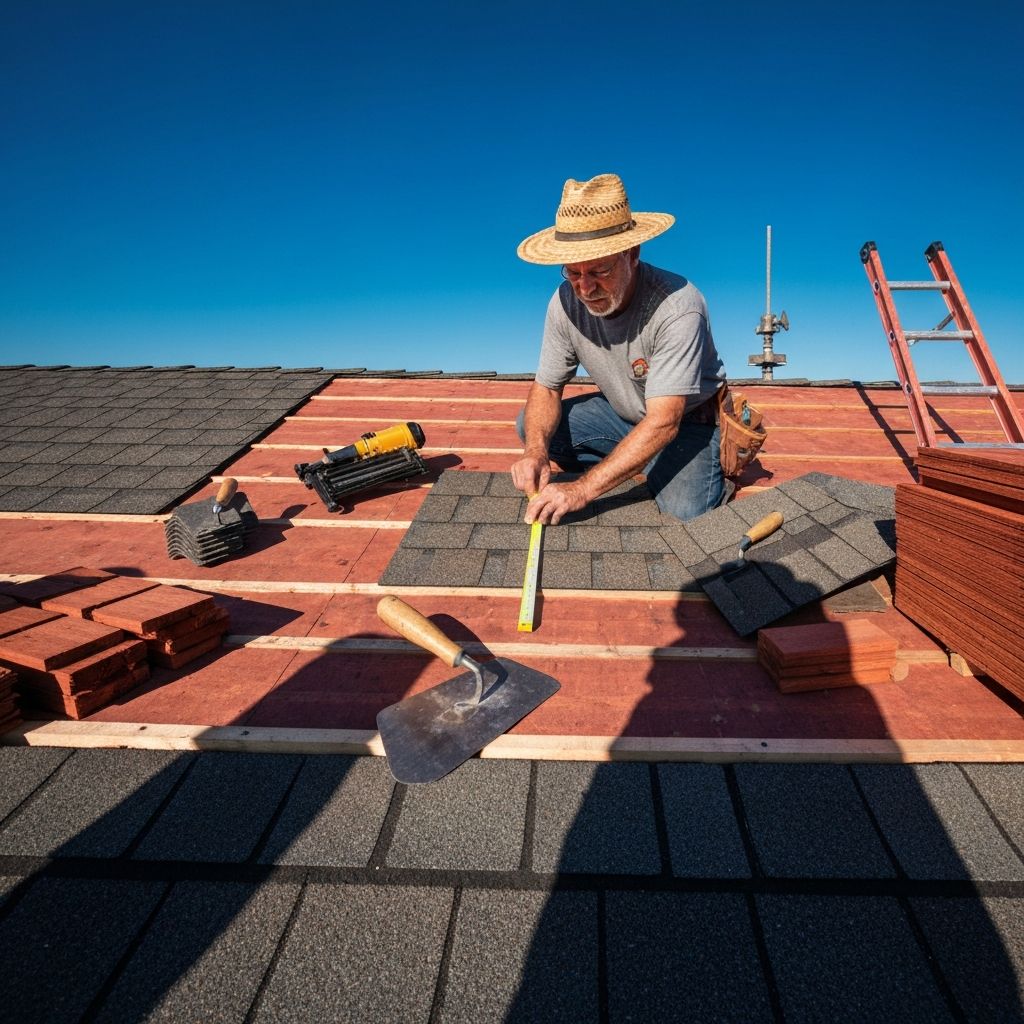
Understanding the Roofing Square
In the roofing industry, a "square" is a standard unit of measurement that equals 100 square feet of roof area. This measurement is used universally by roofing contractors, suppliers, and manufacturers to estimate materials, calculate costs, and communicate about the size of roofing projects. When a roofer says a roof is "20 squares," they mean the roof has a total area of 2,000 square feet.
The concept of a roofing square was developed to simplify the process of estimating and ordering materials. Rather than working with individual square feet, which can involve large and unwieldy numbers for bigger roofs, the roofing industry standardized on the square as a more convenient unit. This system is used for all types of roofing materials, including asphalt shingles, metal roofing, tile, slate, and flat roofing systems.
Why Roofing Squares Matter
Understanding roofing squares is essential for anyone involved in a roofing project, whether you are a homeowner getting quotes from contractors, a roofing professional estimating a job, or a building material supplier processing an order. The number of squares on a roof directly determines the amount of materials needed and the total cost of the project.
Roofing materials are packaged and priced by the square. For example, asphalt shingles are typically sold in bundles, with three bundles making up one square of coverage. Metal roofing panels are sold in specific dimensions that cover a certain number of squares per box or pallet. By knowing the number of squares on a roof, you can quickly determine how many bundles, panels, or rolls of material you need to order.
Labor costs are also often calculated on a per-square basis. Roofing contractors typically charge a per-square rate for installation, which includes the cost of labor, overhead, and profit. This rate varies depending on the type of roofing material, the complexity of the roof, the geographic location, and the current market conditions. By multiplying the per-square rate by the total number of squares, you can estimate the total labor cost for a roofing project.
How to Calculate Roofing Squares
Calculating the number of squares on a roof involves measuring the total roof area in square feet and then dividing by 100. For a simple gable roof with two rectangular sides, the calculation is straightforward. Measure the length and width of each side of the roof, multiply to get the area of each side, add the areas together, and divide by 100.
For example, if each side of a gable roof measures 40 feet long by 20 feet wide, the area of each side is 800 square feet. The total roof area is 1,600 square feet, which equals 16 roofing squares. This means you would need enough materials to cover 16 squares, plus a waste allowance.
For more complex roof shapes, such as hip roofs, mansard roofs, or roofs with dormers, valleys, and multiple planes, the calculation becomes more involved. Each section of the roof must be measured separately, and the areas of triangular and trapezoidal sections must be calculated using the appropriate geometric formulas. Many roofing professionals use specialized software or drone-based measurement tools to accurately calculate the square footage of complex roofs.
Accounting for Waste and Overages
When ordering roofing materials, it is important to add a waste allowance to the calculated number of squares. Roofing waste occurs because materials must be cut to fit around edges, valleys, hips, chimneys, vents, and other roof penetrations. The amount of waste depends on the complexity of the roof: a simple roof with few penetrations may require only 5 to 10 percent extra material, while a complex roof with many angles and features may require 15 to 20 percent or more.
Most roofing contractors and estimators add a waste factor of 10 to 15 percent to their material calculations as a standard practice. For a 20-square roof, this would mean ordering 22 to 23 squares of material to ensure there is enough to complete the job without running short. Running short on materials can cause significant delays and additional costs, so it is better to slightly over-order than to risk running out.
Leftover materials from the waste allowance can often be returned to the supplier for credit, or they can be stored for future repairs. Having some extra shingles or materials on hand is actually beneficial because it ensures that replacement materials are available if a section of the roof is damaged by weather, debris, or other causes in the future.
Cost Per Square for Different Roofing Materials
The cost per square varies significantly depending on the type of roofing material used. Asphalt shingles, the most common roofing material in the United States, typically cost between $100 and $400 per square for the material alone, depending on the quality and style of the shingles. Three-tab shingles are the most affordable option, while architectural (dimensional) shingles and premium designer shingles cost more.
Metal roofing is generally more expensive than asphalt shingles, with material costs ranging from $300 to $800 per square or more, depending on the type of metal (steel, aluminum, copper, zinc) and the style of the panels or shingles. However, metal roofing lasts significantly longer than asphalt shingles (50 years or more versus 20 to 30 years), which can make it more cost-effective over the lifetime of the roof.
Tile roofing, commonly used in Mediterranean and Spanish-style architecture, costs between $400 and $1,000 per square for materials. Slate roofing, one of the most premium roofing options, can cost $800 to $1,500 or more per square. These premium materials offer exceptional durability and aesthetic appeal but come with a significantly higher upfront cost.
The Relationship Between Roof Pitch and Squares
The pitch (slope) of a roof affects the total number of squares needed to cover it. A steeper roof has a larger surface area than a flat roof with the same footprint, because the sloped surface covers more area than the horizontal footprint below it. Roofing professionals use a pitch multiplier to convert the building's footprint area to the actual roof area.
For example, a roof with a 4:12 pitch (rising 4 inches for every 12 inches of horizontal run) has a pitch multiplier of approximately 1.054, meaning the actual roof area is about 5.4 percent larger than the footprint. A steeper roof with a 12:12 pitch has a multiplier of approximately 1.414, meaning the actual roof area is about 41.4 percent larger than the footprint.
Understanding the relationship between pitch and area is essential for accurate square calculations. If you measure a building's footprint from the ground and try to estimate the roof area without accounting for the pitch, you will underestimate the number of squares and end up short on materials.
How Contractors Use Squares in Estimates
When a roofing contractor provides an estimate for a roofing project, the number of squares is one of the primary factors in determining the total cost. The estimate typically includes the cost of materials per square, the cost of labor per square, and any additional charges for items such as tear-off of the old roof, disposal of debris, flashing, underlayment, ventilation, and permits.
A typical roofing estimate might look something like this: 25 squares of architectural shingles at $250 per square for materials ($6,250), 25 squares of labor at $200 per square ($5,000), tear-off and disposal at $100 per square ($2,500), plus underlayment, flashing, and accessories ($1,500), for a total project cost of $15,250. This format allows homeowners to easily compare estimates from different contractors and understand what they are paying for.
When comparing estimates, it is important to make sure that each contractor is using the same number of squares and that the estimates include the same scope of work. Differences in the calculated number of squares or in the services included can make it difficult to compare bids apples-to-apples.
Tips for Homeowners
If you are a homeowner planning a roofing project, understanding roofing squares can help you make informed decisions and avoid being overcharged. Before getting quotes from contractors, try to estimate the number of squares on your roof using the measurement techniques described above, or use an online roofing calculator that can estimate your roof area based on your home's dimensions and roof style.
When reviewing contractor estimates, ask how many squares they calculated for your roof and what waste factor they included. This will help you verify that the estimates are based on accurate measurements and reasonable assumptions. If one contractor's square count is significantly different from the others, it may indicate a measurement error or a difference in how waste is being calculated.
Finally, keep in mind that the cheapest price per square is not always the best value. The quality of the materials, the experience and reputation of the contractor, the warranty offered, and the overall professionalism of the company are all important factors to consider when choosing a roofing contractor. Investing in quality materials and skilled installation will pay dividends in the form of a longer-lasting, more durable roof.
