
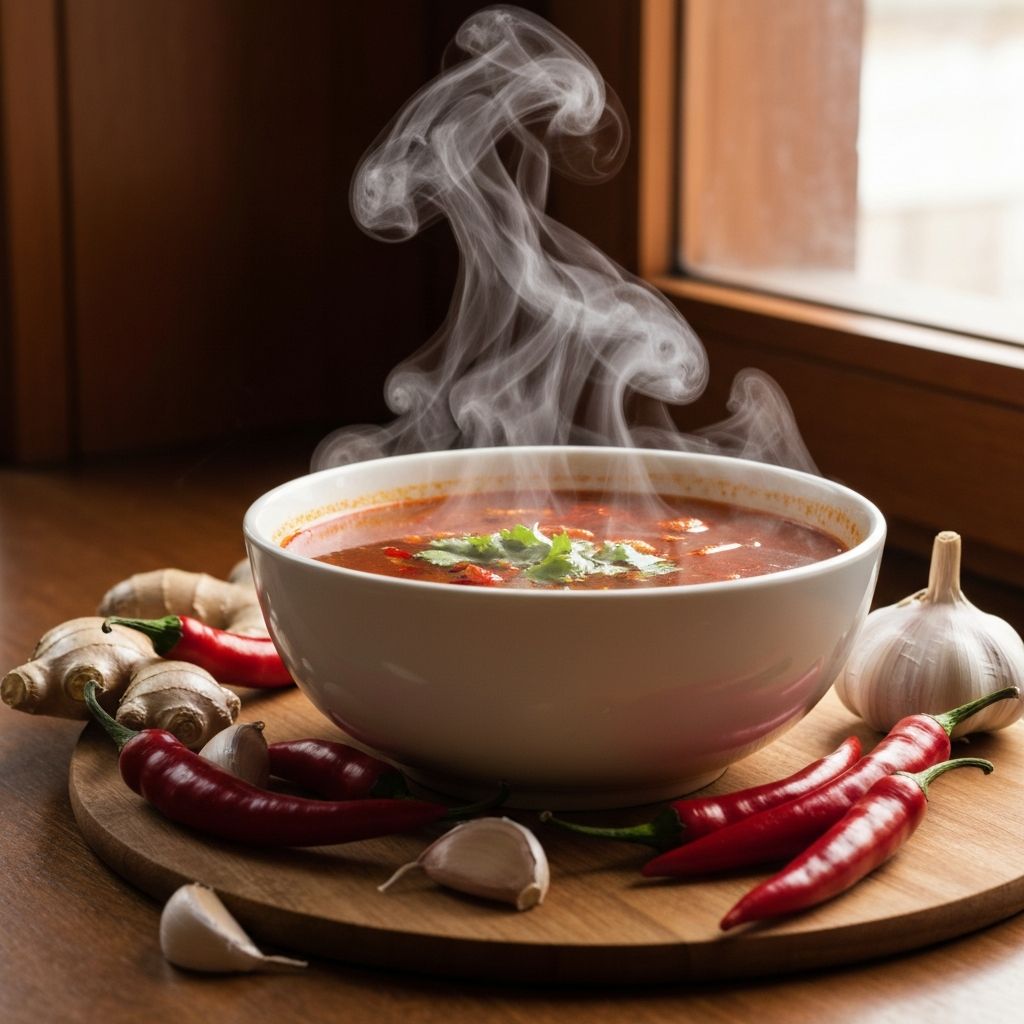
The Common Cold and the Spicy Food Remedy
When the familiar symptoms of a cold set in, stuffy nose, sore throat, coughing, and general malaise, many people instinctively reach for a bowl of spicy soup or a plate of fiery food. The idea that spicy food can help alleviate cold symptoms is a belief held across many cultures and has been part of folk medicine traditions for centuries. But is there actual scientific evidence behind this widely held belief, or is it simply an old wives' tale that persists because of cultural tradition and the placebo effect?
The answer, as with many health-related questions, is nuanced. While spicy food is not a cure for the common cold and will not shorten the duration of your illness, there is genuine scientific evidence that certain compounds found in spicy foods can provide temporary relief from some of the most uncomfortable cold symptoms. Understanding how these compounds work and how to use spicy foods strategically during a cold can help you make the most of this natural remedy.
How Capsaicin Works Against Congestion
The primary active compound in most spicy foods is capsaicin, the chemical responsible for the burning sensation you feel when you eat hot peppers. Capsaicin is found in varying concentrations in all members of the Capsicum pepper family, from mild bell peppers (which contain virtually no capsaicin) to the extreme heat of Carolina Reapers and Trinidad Moruga Scorpions. When capsaicin comes into contact with the mucous membranes of your mouth, throat, and nasal passages, it triggers a series of physiological responses that can temporarily relieve cold symptoms.
The most significant benefit of capsaicin for cold sufferers is its powerful decongestant effect. When you eat spicy food, capsaicin stimulates the mucous membranes in your nasal passages and sinuses, causing them to produce more mucus and making existing mucus thinner and more watery. This might seem counterintuitive since more mucus sounds like a bad thing, but this thin, watery mucus is much easier to expel than the thick, sticky mucus that characterizes nasal congestion. The result is that spicy food can temporarily clear your nasal passages, allowing you to breathe more freely.
Research published in the Annals of Allergy, Asthma & Immunology has demonstrated that capsaicin nasal sprays can effectively reduce nasal congestion, sneezing, and runny nose symptoms. While eating spicy food is not as targeted as a capsaicin nasal spray, the capsaicin consumed in food does come into contact with nasal and throat mucous membranes, particularly when the spicy food causes your nose to run, a familiar experience for anyone who has eaten a very spicy meal.
Beyond Capsaicin: Other Beneficial Compounds
Spicy foods offer benefits beyond just capsaicin. Many spicy cuisines incorporate ingredients that have their own therapeutic properties when it comes to fighting cold symptoms. Garlic, a staple in spicy dishes around the world, contains allicin, a compound with demonstrated antimicrobial and immune-boosting properties. Some studies suggest that regular garlic consumption may reduce the frequency and duration of colds, though the evidence is not conclusive.
Ginger, another common ingredient in spicy foods, has well-documented anti-inflammatory and anti-nausea properties. Ginger contains compounds called gingerols and shogaols that can help soothe an irritated throat, reduce inflammation in the respiratory tract, and ease the nausea that sometimes accompanies severe colds. A cup of hot ginger tea or a bowl of ginger-spiced soup can provide genuine comfort and symptom relief for cold sufferers.
Turmeric, the golden spice that gives curry its characteristic color, contains curcumin, a compound with potent anti-inflammatory and antioxidant properties. While the bioavailability of curcumin from food is relatively low, consuming it with black pepper (which contains piperine, a compound that enhances curcumin absorption) can increase its effectiveness. Many spicy dishes naturally combine turmeric and black pepper, making them potentially beneficial combinations for cold sufferers.
The Best Spicy Foods to Eat When You Have a Cold
Not all spicy foods are equally beneficial when you are fighting a cold. The best choices are those that combine the decongestant effects of capsaicin with hydration, warmth, and other supportive nutrients. Hot soups and broths are at the top of the list, as they provide the triple benefit of heat (which helps soothe the throat and promote mucus drainage), hydration (which is crucial during illness), and easily digestible nutrition.
Chicken soup with added hot sauce, chili flakes, or fresh chilies is perhaps the ultimate cold-fighting meal. The concept of chicken soup as a cold remedy has been validated by scientific research. A study published in the journal Chest found that chicken soup contains compounds that have a mild anti-inflammatory effect on the upper respiratory tract, and the hot, steamy broth helps loosen congestion and keep the body hydrated. Adding spicy elements amplifies the decongestant effect.
Tom yum soup, the famous Thai hot and sour soup, is another excellent choice. Made with a base of lemongrass, galangal, kaffir lime leaves, and chilies, tom yum soup combines spicy heat with aromatic herbs that have their own therapeutic properties. The soup's hot, sour, and spicy flavor profile stimulates the senses and can provide temporary relief from the dulled taste and smell that often accompany a cold.
Indian dal (lentil soup) seasoned with ginger, turmeric, cumin, and chilies is a nutritious and warming option that provides plant-based protein along with anti-inflammatory spices. Korean kimchi jjigae (kimchi stew), Mexican pozole with plenty of dried chili, and Sichuan hot and sour soup are other global options that combine spicy heat with healing broths and nutritious ingredients.
Potential Downsides of Spicy Food During a Cold
While spicy food can provide temporary relief from certain cold symptoms, it is not without potential downsides. For some people, spicy food can irritate an already sore throat, causing additional pain and discomfort. If your cold symptoms include a raw, painful throat, you may want to start with mildly spicy foods and increase the heat level only if your throat tolerates it well.
Spicy food can also exacerbate gastrointestinal symptoms that sometimes accompany colds and flu, including nausea, acid reflux, and stomach upset. If your illness involves any digestive symptoms, it may be wise to avoid heavily spiced foods and stick to milder options until your stomach has settled. Additionally, capsaicin can cause sweating, which is not necessarily a problem but may contribute to dehydration if you are not replacing the fluids lost through perspiration.
People with certain medical conditions, including gastroesophageal reflux disease (GERD), irritable bowel syndrome (IBS), and peptic ulcers, should be particularly cautious about consuming spicy food during a cold. The stress of illness can make these conditions more sensitive, and adding the irritation of spicy food may worsen symptoms. Always listen to your body and choose foods that make you feel better, not worse.
Hydration: The Most Important Factor
While the debate about spicy food and colds is interesting, it is worth emphasizing that the single most important dietary consideration when you have a cold is hydration. The common cold causes increased mucus production, which depletes your body's fluid reserves. Fever, if present, further increases fluid loss through sweating. Maintaining adequate hydration helps keep mucus thin and easier to clear, supports immune function, and prevents the dehydration that can make cold symptoms feel even worse.
Whether or not you choose to eat spicy food, make sure you are drinking plenty of fluids throughout the day. Water, herbal teas, clear broths, warm lemon water with honey, and electrolyte drinks are all excellent choices. Avoid excessive caffeine and alcohol, both of which can contribute to dehydration. If your appetite is reduced, as it often is during a cold, liquid-based foods like soups and smoothies can help you maintain both hydration and nutrition.
What the Experts Say
Medical professionals generally acknowledge that spicy food can provide temporary symptomatic relief from nasal congestion and may have other minor benefits during a cold, but they are careful to note that it is not a treatment or cure. Dr. Ron Eccles, former director of the Common Cold Centre at Cardiff University, has noted that hot, spicy drinks and foods can provide symptomatic relief comparable to over-the-counter cold medications for some symptoms, particularly nasal congestion.
However, experts also emphasize that the relief provided by spicy food is temporary, typically lasting only 30 minutes to an hour after consumption. Once the capsaicin effect wears off, congestion will return. This means that spicy food is best thought of as a comfort measure and a temporary symptom reliever rather than a treatment that will help you recover faster. The common cold is caused by a virus and will run its course in seven to ten days regardless of what you eat.
Conclusion
Spicy food can indeed be beneficial when you have a cold, primarily through the decongestant effects of capsaicin and the supportive properties of other spicy ingredients like ginger, garlic, and turmeric. Hot, spicy soups are particularly effective because they combine spicy heat with hydration and warmth. However, spicy food is not a cure for the common cold and may not be appropriate for everyone, particularly those with sore throats, digestive issues, or certain medical conditions. Use spicy food as one tool in your cold-fighting arsenal, alongside adequate rest, hydration, and any treatments recommended by your healthcare provider, and you may find that your cold feels a little more bearable.
