
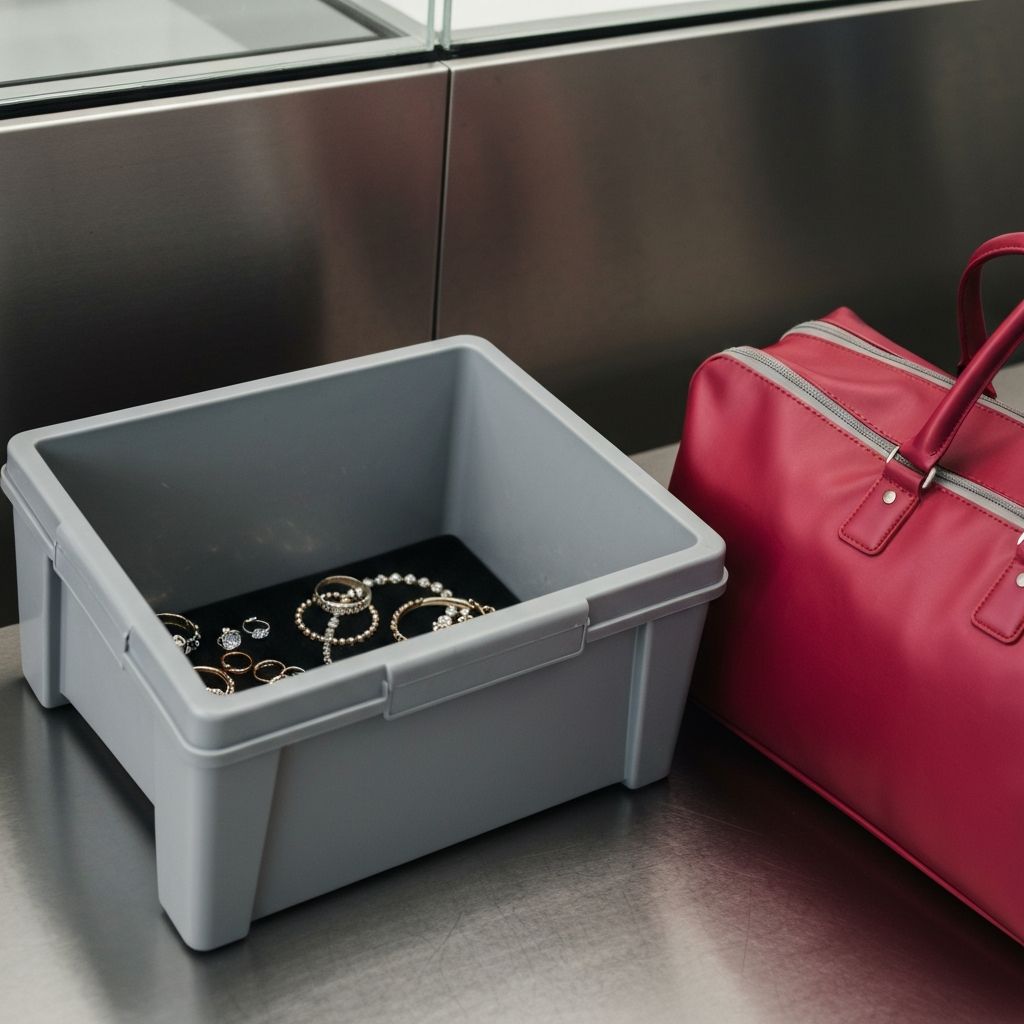
Can You Wear Jewelry Through TSA? Everything Travelers Need to Know
Traveling by air involves navigating a variety of security procedures, and one of the most common questions travelers have is whether they can wear jewelry through TSA security checkpoints. Whether you are wearing your everyday rings, a watch, earrings, or more elaborate jewelry pieces, understanding the TSA's rules and recommendations can help you move through security smoothly and protect your valuables.
The short answer is that yes, you can generally wear jewelry through TSA security. There is no TSA rule that requires you to remove jewelry before going through airport security screening. However, certain types of jewelry may trigger the metal detectors or body scanners, potentially leading to additional screening. Knowing what to expect and how to prepare can save you time and hassle at the airport.
TSA Rules on Jewelry
The Transportation Security Administration does not have a specific policy requiring the removal of jewelry before security screening. Unlike items such as shoes, belts, and laptops, jewelry is not on the list of items that must be removed. You are free to wear rings, earrings, necklaces, bracelets, and watches through the security checkpoint.
However, the TSA recommends that travelers minimize the amount of metal they wear when going through security. Large metal jewelry pieces, thick chains, and items with significant metal content are more likely to trigger the alarm on metal detectors or appear as anomalies on the advanced imaging technology body scanners. If this happens, you will be subject to additional screening, which may include a pat-down or a closer inspection of the item.
TSA officers are trained to handle these situations efficiently and respectfully. If your jewelry does trigger an alarm, the officer may ask you to remove the specific piece for further inspection or may use a handheld wand to clear the alarm. This process typically adds only a few minutes to your screening time but can be avoided by removing large metal pieces before entering the screening area.
Which Jewelry Is Most Likely to Trigger Alarms
Not all jewelry is equally likely to trigger security alarms. Small, lightweight pieces like thin rings, stud earrings, and delicate necklaces typically pass through metal detectors and body scanners without any issues. These items contain small amounts of metal that are generally below the sensitivity threshold of the screening equipment.
Larger, heavier pieces are more likely to cause alarms. Thick chain necklaces, large belt buckles with decorative metalwork, heavy bracelets and bangles, and oversized earrings contain enough metal to potentially trigger the detector. Watches with large metal cases and bands may also cause alarms, particularly older metal detector models.
Body piercings, particularly multiple piercings or those with larger jewelry, can sometimes trigger body scanner alerts. If you have body piercings that may be detected, be prepared for the possibility of additional screening. TSA officers handle these situations professionally and discreetly.
Tips for Wearing Jewelry Through Airport Security
To make your airport security experience as smooth as possible while wearing jewelry, consider these practical tips. First, keep it simple on travel days. If you are wearing elaborate or heavy jewelry, consider removing it before you get to the security checkpoint and placing it in your carry-on bag. This avoids potential alarms and keeps your jewelry safe from being lost or damaged during the screening process.
Second, use a small jewelry pouch or case to keep your jewelry organized and protected. If you do need to remove pieces at security, having a designated pouch makes it easy to keep everything together and prevents small items like rings and earrings from getting lost in the bins.
Third, consider wearing your most valuable jewelry rather than packing it in checked luggage. Checked bags can be lost, delayed, or stolen, and airline liability for lost jewelry in checked luggage is typically very limited. Wearing valuable pieces or keeping them in your carry-on bag gives you much more control over their security.
Fourth, if you are traveling with particularly valuable or irreplaceable jewelry, consider purchasing travel insurance that specifically covers jewelry. Many standard travel insurance policies have low limits for jewelry coverage, so a supplemental policy can provide additional peace of mind.
What About Body Scanners vs. Metal Detectors
Modern airports use two main types of screening equipment: traditional walk-through metal detectors and advanced imaging technology body scanners. The type of equipment you encounter can affect how your jewelry interacts with the screening process.
Traditional metal detectors work by sensing metallic objects and are triggered when the amount of metal exceeds a certain threshold. Small jewelry pieces typically do not trigger these detectors, while larger, heavier pieces may cause an alarm. The sensitivity of metal detectors varies between airports and can be adjusted by TSA officers.
Advanced imaging technology body scanners use millimeter wave technology to create a generic image of the body and detect any objects, both metallic and non-metallic, concealed on the person. These scanners may detect jewelry worn under clothing, such as body piercings or necklaces tucked under a shirt, and flag them as anomalies that require additional inspection.
Regardless of which type of screening equipment you encounter, wearing minimal jewelry on travel days reduces the likelihood of additional screening and speeds up your passage through the security checkpoint.
Traveling with Expensive Jewelry
If you are traveling with expensive jewelry, whether for a special event, a wedding, or simply because you prefer to wear your fine jewelry daily, there are additional precautions worth taking. Always keep expensive jewelry in your carry-on bag rather than checked luggage. Airline policies typically limit liability for jewelry and valuables lost from checked bags to very low amounts.
When going through security, watch your belongings carefully as they pass through the X-ray machine. Theft at security checkpoints, while relatively rare, does occur, and jewelry is one of the most commonly stolen items. Keep an eye on your bin as it comes through the machine and collect your items promptly.
If you are carrying jewelry that is not being worn, declare it to the TSA officer if asked about the contents of your carry-on bag. Being transparent about what you are carrying helps the screening process go smoothly and avoids any misunderstandings about items that may look unusual on the X-ray screen.
Consider documenting your valuable jewelry before travel by taking photographs of each piece and keeping records of their appraised values. This documentation can be invaluable if any items are lost, stolen, or damaged during your trip.
International Travel Considerations
When traveling internationally, be aware that security procedures and customs regulations regarding jewelry may differ from those in the United States. Some countries have strict regulations on bringing valuable jewelry across their borders, and you may need to declare high-value items to customs officials.
If you are carrying a significant amount of valuable jewelry when entering the United States from abroad, you may need to declare it on your customs form. The current declaration threshold is typically for goods valued at over 800 dollars. Keeping purchase receipts and appraisals handy can help speed up the customs process.
Conclusion
You can absolutely wear jewelry through TSA security checkpoints, and in most cases, small to medium pieces will not cause any issues. For the smoothest experience, keep your jewelry simple on travel days, use a jewelry pouch for organization, and be prepared for the possibility of additional screening if you are wearing larger metallic pieces. Most importantly, keep your valuable jewelry in your carry-on or on your person rather than in checked luggage. With a little preparation and awareness, you can travel with your favorite jewelry pieces confidently and securely.
