
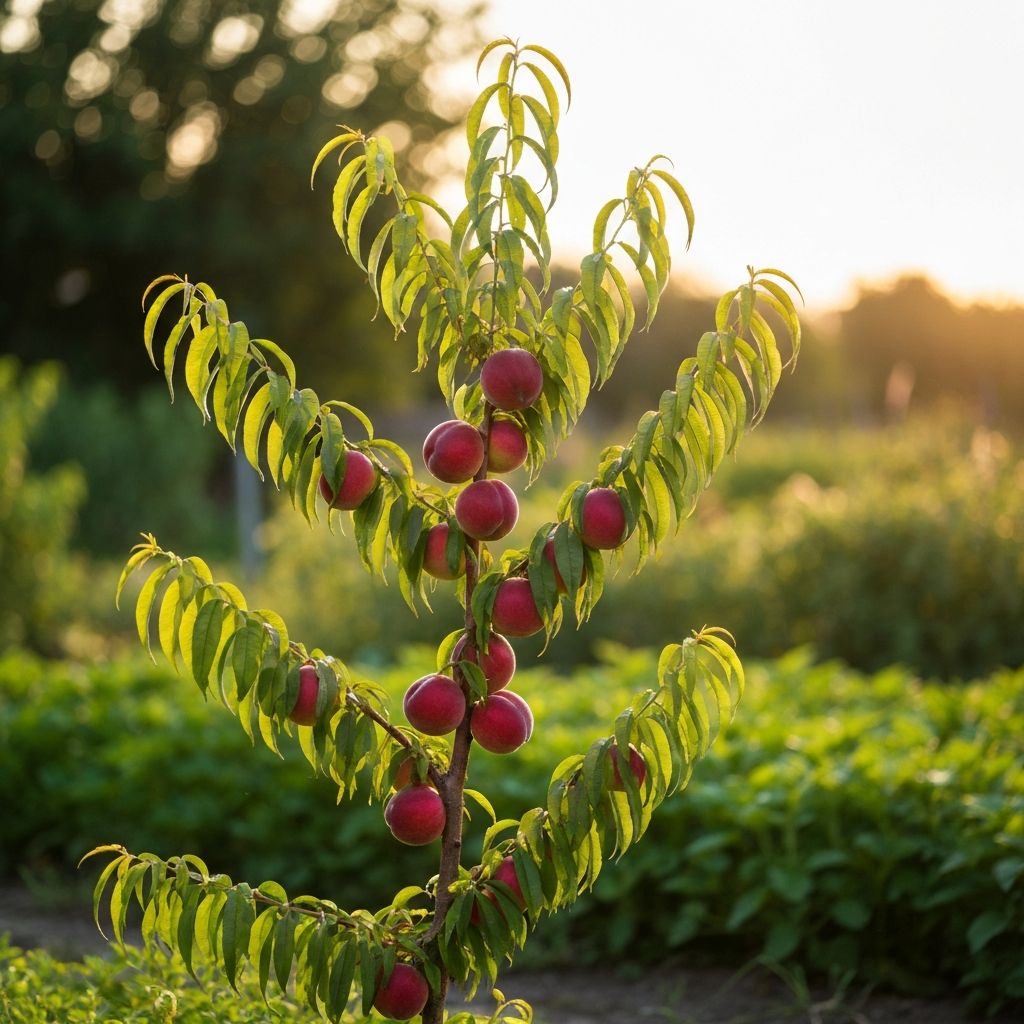
The Rewarding Process of Growing Peach Trees from Seed
Growing a peach tree from seed is one of the most satisfying long-term gardening projects you can pursue. Unlike apples, peach trees grown from seed tend to produce fruit that is reasonably similar to the parent fruit, as peaches are largely self-pollinating. This means that the peach pit you plant has a good chance of producing a tree with fruit quality comparable to the peach you enjoyed eating. The process requires patience, as seed-grown peach trees typically produce their first fruit in three to five years, but the journey from pit to harvest is deeply rewarding for gardeners who appreciate nurturing life from its earliest stages.
Peach trees thrive in USDA hardiness zones 5 through 9, requiring a specific number of chill hours (hours below 45°F) during winter dormancy to set fruit properly. Before investing time in growing a peach tree from seed, verify that your climate provides the 400 to 1,000 chill hours that most peach varieties require. Gardeners in zones with insufficient winter chill can select low-chill varieties, while those in extremely cold climates should choose cold-hardy cultivars to ensure long-term tree survival.
Extracting and Preparing the Peach Pit
The process begins with selecting a ripe, locally grown peach. Local peaches are preferred because trees grown from these seeds are pre-adapted to your regional climate, soil conditions, and pest pressures. Avoid using pits from grocery store peaches that were shipped from distant growing regions, as the resulting trees may struggle with your local conditions. If possible, source peaches from a local farmers market, orchard, or neighbor's tree for the best chances of growing a well-adapted tree.
Eat or cut away the peach flesh from around the pit, then scrub the pit thoroughly under running water to remove all remaining fruit tissue. Any residual fruit left on the pit can promote mold growth during the stratification process. Allow the cleaned pit to air dry for one to two days in a well-ventilated area. At this stage, you have two options for proceeding: planting the entire pit or cracking it open to extract the inner seed (also called the kernel).
Cracking the pit to extract the seed inside significantly improves germination rates and reduces the stratification time required. Use a vise, nutcracker, or pliers to carefully crack the hard outer shell of the pit, taking care not to damage the almond-shaped seed within. The extracted seed is tan-colored, soft, and delicate. Handle it gently, as damage to the seed coat or embryo will prevent germination. If the pit proves too difficult to crack without risking seed damage, plant the entire pit intact and extend the stratification period to account for the additional time the seed needs to break through its shell.
Cold Stratification for Peach Seeds
Like most temperate fruit tree seeds, peach seeds require cold stratification to break their natural dormancy. This process simulates the winter conditions that seeds would naturally experience on the ground beneath the parent tree. Without this cold treatment, peach seeds will remain dormant and fail to germinate even when provided with otherwise ideal growing conditions.
To stratify peach seeds, wrap the cleaned seed or intact pit in a damp (not wet) paper towel and place it inside a sealed plastic bag. Remove as much air from the bag as possible before sealing to minimize the risk of mold development. Label the bag with the date and place it in the refrigerator at a temperature between 34°F and 42°F. The vegetable crisper drawer maintains the most consistent temperature for stratification purposes.
Extracted seeds require approximately 60 to 90 days of stratification, while intact pits may need 90 to 120 days. Check the seeds weekly, remoistening the paper towel if it begins to dry out and inspecting for signs of mold or premature germination. If mold appears, rinse the seed with a dilute solution of hydrogen peroxide (one part peroxide to ten parts water) and replace the paper towel. Toward the end of the stratification period, the seed may begin to split and show a small white radicle (root tip), indicating readiness for planting.
Planting and Germination
Once stratification is complete, plant the seed approximately one inch deep in a pot filled with high-quality potting mix. Use a container that is at least six inches deep and has drainage holes in the bottom. Moisten the potting mix thoroughly before planting, and place the seed horizontally in the soil with the pointed end facing slightly downward. Cover with potting mix and press gently to ensure good soil-to-seed contact.
Place the planted container in a warm location that receives bright, indirect sunlight. Ideal germination temperatures range from 65°F to 80°F. Keep the soil consistently moist but never saturated, as waterlogged conditions promote root rot and damping-off disease. A clear plastic cover or plastic wrap over the pot creates a greenhouse effect that maintains humidity and warmth, but remove the cover as soon as the seedling emerges to prevent fungal problems.
Germination typically occurs within two to six weeks after planting. The first structure to emerge is the hypocotyl (stem), which curves upward through the soil surface and pulls the cotyledons (seed leaves) above ground. These initial leaves are rounded and differ in appearance from the long, narrow true leaves that will develop subsequently. Once the seedling reaches four to six inches in height with several sets of true leaves, it is ready for gradual acclimation to outdoor conditions.
Transplanting Outdoors
Transplant your peach seedling outdoors after the last frost date in your area, when the seedling is at least twelve inches tall and nighttime temperatures consistently remain above 50°F. Harden the seedling off by placing it outdoors in a sheltered location for progressively longer periods over seven to ten days, starting with two hours of morning sun and building to full-day exposure.
Select a permanent planting site that receives full sun for at least eight hours daily. Peach trees require well-drained soil with a pH between 6.0 and 6.5. Avoid low-lying areas where cold air pools during late spring, as peach blossoms are highly susceptible to frost damage. Southern exposures and gentle slopes provide ideal microclimates for peach trees by warming earlier in spring and providing cold air drainage during frost events.
Dig a hole twice the width of the root ball and the same depth. Gently remove the seedling from its container, spread the roots outward in the planting hole, and backfill with native soil amended with compost. Water deeply to settle the soil and eliminate air pockets around the roots. Apply a three-inch layer of organic mulch around the tree, keeping it four to six inches away from the trunk to prevent bark decay and rodent damage.
Ongoing Care and Maintenance
Water newly transplanted peach trees deeply twice per week during the first growing season, providing approximately one to two inches of water per week. Established peach trees are moderately drought-tolerant but produce the best fruit with consistent moisture during the growing season. Reduce watering in late summer to encourage the tree to harden off for winter dormancy.
Fertilize peach trees beginning in the second year of growth with a balanced fertilizer or one slightly higher in nitrogen. Apply 10-10-10 fertilizer at a rate of one pound per year of tree age, up to a maximum of ten pounds for mature trees. Apply fertilizer in early spring before bloom and again after fruit set for optimal results. Avoid fertilizing after mid-summer, as late-season nitrogen promotes tender growth that is vulnerable to winter freeze damage.
Pruning peach trees into an open-center (vase) shape maximizes sunlight penetration and air circulation throughout the canopy, which promotes even fruit ripening and reduces disease pressure. Remove the central leader during the second or third year and select three to four well-spaced scaffold branches angled at 45 degrees from the trunk. Annual pruning removes dead, diseased, and crossing branches while maintaining the open-center structure that peach trees require for optimal production.
Monitor for common peach pests including peach tree borers, oriental fruit moths, and plum curculio. Peach leaf curl, brown rot, and bacterial spot are the most significant diseases affecting peach trees. A dormant oil spray applied in late winter before bud swell controls overwintering insect eggs and fungal spores, providing a foundation for integrated pest management throughout the growing season.
Conclusion
Growing a peach tree from seed transforms a simple fruit pit into a productive tree that can provide fresh peaches for twenty years or more. The process teaches fundamental horticultural skills while connecting you to the ancient tradition of growing food from seed. With proper preparation, patience, and care, your peach seedling will reward you with fragrant spring blossoms and juicy summer fruit that is all the more satisfying because you grew the tree yourself from its very beginning.
