
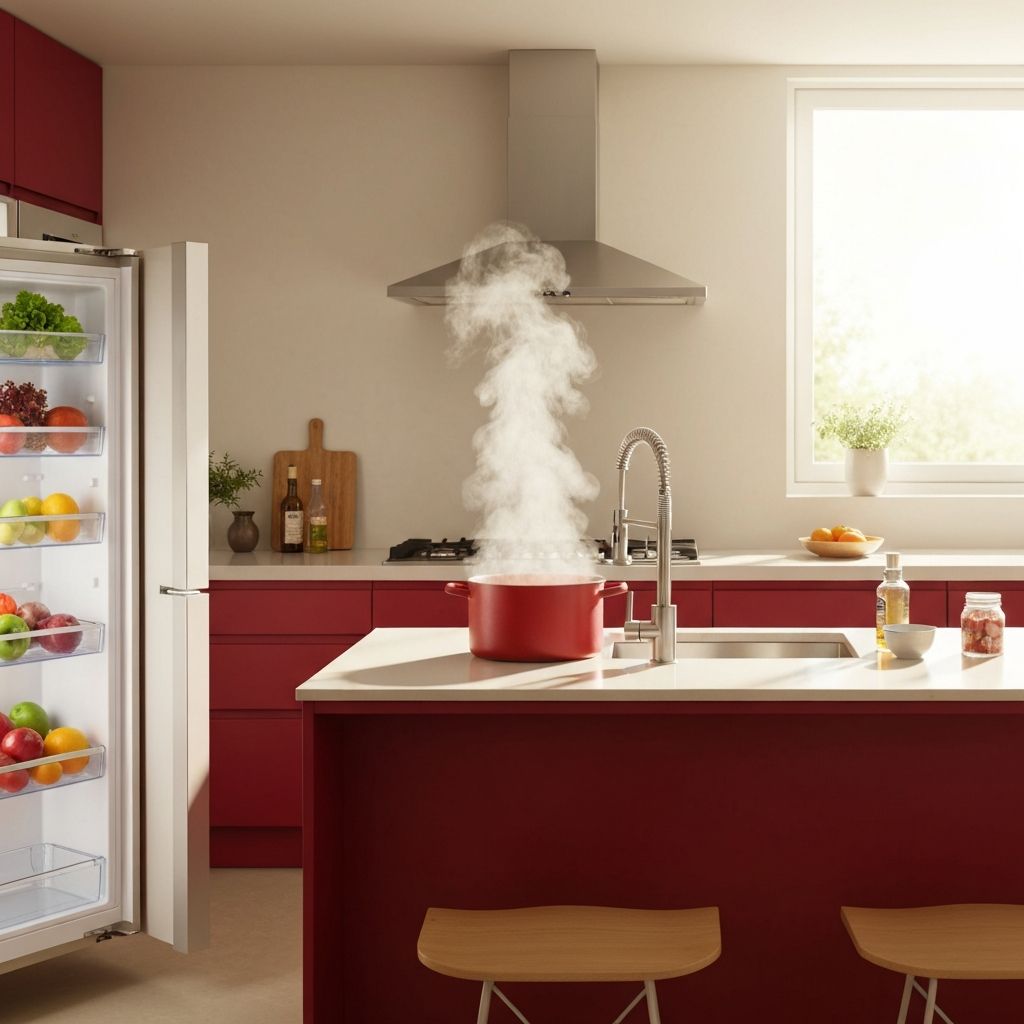
The Great Refrigerator Debate
One of the most common kitchen dilemmas is whether you should put hot food directly into the refrigerator or let it cool down to room temperature first. This question has sparked countless debates among home cooks, food enthusiasts, and family members who each have their own strongly held opinions on the matter. Some people insist that placing hot food in the fridge will damage the appliance, spoil surrounding foods, or waste energy. Others argue that food should be refrigerated as quickly as possible to prevent bacterial growth. So who is right? The answer, backed by food safety science, may surprise those who have always let their leftovers cool on the counter before putting them away.
According to food safety experts at the USDA, the CDC, and the FDA, the correct answer is clear: hot food should be refrigerated within two hours of cooking, and waiting for food to cool to room temperature before refrigerating is not recommended. Leaving hot food out at room temperature for extended periods creates ideal conditions for harmful bacteria to multiply rapidly, increasing the risk of foodborne illness. Understanding the science behind this recommendation can help you make safer choices in your kitchen and protect your family's health.
Understanding the Danger Zone
The concept of the "danger zone" is central to food safety and explains why hot food should be refrigerated promptly. The danger zone refers to the temperature range between 4 degrees Celsius and 60 degrees Celsius, within which bacteria that cause foodborne illness can multiply rapidly. At temperatures within this range, bacteria like Salmonella, E. coli, Staphylococcus aureus, and Clostridium perfringens can double in number every 20 minutes under ideal conditions. This means that a single bacterium can multiply to over a million within just seven hours if the food remains in the danger zone.
When you cook food to a safe internal temperature, you kill most of the harmful bacteria present. However, as the food cools, it passes through the danger zone, and any bacteria that survive cooking or are introduced through handling, utensils, or air exposure begin to multiply. The longer food remains in the danger zone, the more bacteria can grow, and the greater the risk of foodborne illness when the food is eventually consumed. This is why the USDA recommends refrigerating cooked food within two hours of preparation, or within one hour if the ambient temperature is above 32 degrees Celsius.
Will Hot Food Damage Your Refrigerator?
One of the most persistent myths about putting hot food in the fridge is that it will damage the refrigerator or cause it to work overtime and waste energy. While placing a large container of hot food in the refrigerator will temporarily raise the internal temperature and cause the compressor to work harder to bring the temperature back down, modern refrigerators are designed to handle these fluctuations. The temporary increase in energy consumption is minimal and far less costly than the medical expenses and discomfort that can result from a foodborne illness.
That said, there are some practical considerations to keep in mind. Placing a very large pot of hot soup or stew directly into the refrigerator can temporarily raise the temperature of the surrounding foods, potentially pushing them into the danger zone briefly. To minimize this effect, you can take a few simple steps that speed cooling without leaving food at room temperature for extended periods. These techniques allow you to prioritize food safety while also being mindful of your refrigerator's performance.
Best Practices for Cooling Food Quickly
Food safety experts recommend several techniques for cooling hot food quickly before or immediately after placing it in the refrigerator. One of the most effective methods is to divide large quantities of food into smaller, shallower containers. A large pot of soup that might take hours to cool in the refrigerator will cool much more quickly when divided into several shallow containers, as the increased surface area allows heat to dissipate faster. Use containers that are no more than 7 to 8 centimeters deep for optimal cooling.
An ice bath is another excellent method for rapid cooling. Place the pot or container of hot food into a larger container filled with ice water. Stir the food occasionally to distribute the heat evenly and speed the cooling process. This method can reduce the temperature of hot food to a safe level within minutes rather than hours. Once the food has cooled to below 60 degrees Celsius, transfer it to the refrigerator immediately. You do not need to wait until the food reaches room temperature; getting it into the refrigerator while it is still warm is perfectly safe and preferable to leaving it on the counter.
Stirring hot food frequently as it cools helps release heat from the interior of the food, where temperatures remain highest. For thick foods like soups, stews, and sauces, stirring prevents hot pockets from remaining in the center of the container while the outer portions cool. Using a cooling paddle, a specialized kitchen tool filled with water and frozen before use, can dramatically speed the cooling process for large quantities of liquid foods. These paddles are commonly used in commercial kitchens and are available for home use as well.
The Risks of Leaving Food Out
The risks of leaving hot food at room temperature to cool are well documented. Foodborne illness, commonly called food poisoning, affects approximately 48 million Americans each year, according to the CDC. Symptoms can range from mild discomfort, including nausea, vomiting, diarrhea, and stomach cramps, to severe and potentially life-threatening complications, particularly for vulnerable populations such as young children, elderly adults, pregnant women, and people with compromised immune systems.
Some of the most dangerous bacteria associated with improperly cooled food include Clostridium perfringens, which is one of the most common causes of foodborne illness in the United States. This bacterium thrives in foods that are cooked and then held at warm temperatures for extended periods, making improperly cooled leftovers a prime breeding ground. C. perfringens produces toxins that cause abdominal cramps and diarrhea, typically within 6 to 24 hours of consuming contaminated food. Unlike many other foodborne pathogens, C. perfringens is not easily killed by reheating, making prevention through proper cooling essential.
Common Myths About Hot Food and Refrigeration
Several myths persist about the consequences of putting hot food in the refrigerator, and it is important to separate fact from fiction. One common misconception is that putting hot food in the fridge will cause other foods to spoil. While hot food can temporarily raise the temperature of nearby items, the effect is typically modest and short-lived in a well-functioning refrigerator. Organizing your refrigerator to keep hot containers away from highly perishable items like dairy products and raw meats can further minimize any impact.
Another myth is that hot food will crack glass or ceramic shelves in the refrigerator. While extreme temperature changes can theoretically cause thermal shock in glass, the temperature difference between hot food containers and refrigerator shelves is rarely extreme enough to cause damage in practice. If you are concerned, place a towel or trivet under the hot container to buffer the temperature difference. Some people believe that covering hot food before refrigerating traps heat and slows cooling, but the opposite is true: covering food prevents contamination from other items in the refrigerator and does not significantly affect cooling time.
Special Considerations for Different Foods
Different types of food may require slightly different approaches to cooling and refrigeration. Soups, stews, and broths are among the most common foods that people struggle with, as large quantities can take a very long time to cool. The shallow container and ice bath methods are particularly important for these liquid foods. Rice is another food that requires special attention, as Bacillus cereus, a bacterium commonly found in rice, can produce heat-resistant toxins if cooked rice is left at room temperature for too long. Refrigerate cooked rice within one hour of cooking and consume it within one day for maximum safety.
Large cuts of meat, such as whole roasted chickens or large roasts, should be carved or divided into smaller portions before refrigerating to ensure rapid and even cooling. Casseroles and thick sauces should be transferred to shallow containers. Baked goods like pies and quiches that contain eggs, dairy, or meat fillings should be refrigerated within two hours, while baked goods without perishable fillings can generally be stored at room temperature. By understanding the specific cooling needs of different foods, you can ensure that all your leftovers are stored safely and remain delicious when reheated.
The Bottom Line
The bottom line is simple: do not leave hot food at room temperature for more than two hours. Contrary to traditional advice passed down through generations, modern food safety science clearly supports putting hot food in the refrigerator promptly. Use quick-cooling techniques like shallow containers, ice baths, and frequent stirring to speed the process, but do not let the pursuit of a cool temperature before refrigerating lead you to leave food in the danger zone for extended periods. Your refrigerator can handle the extra warmth; your digestive system may not handle the extra bacteria.
