
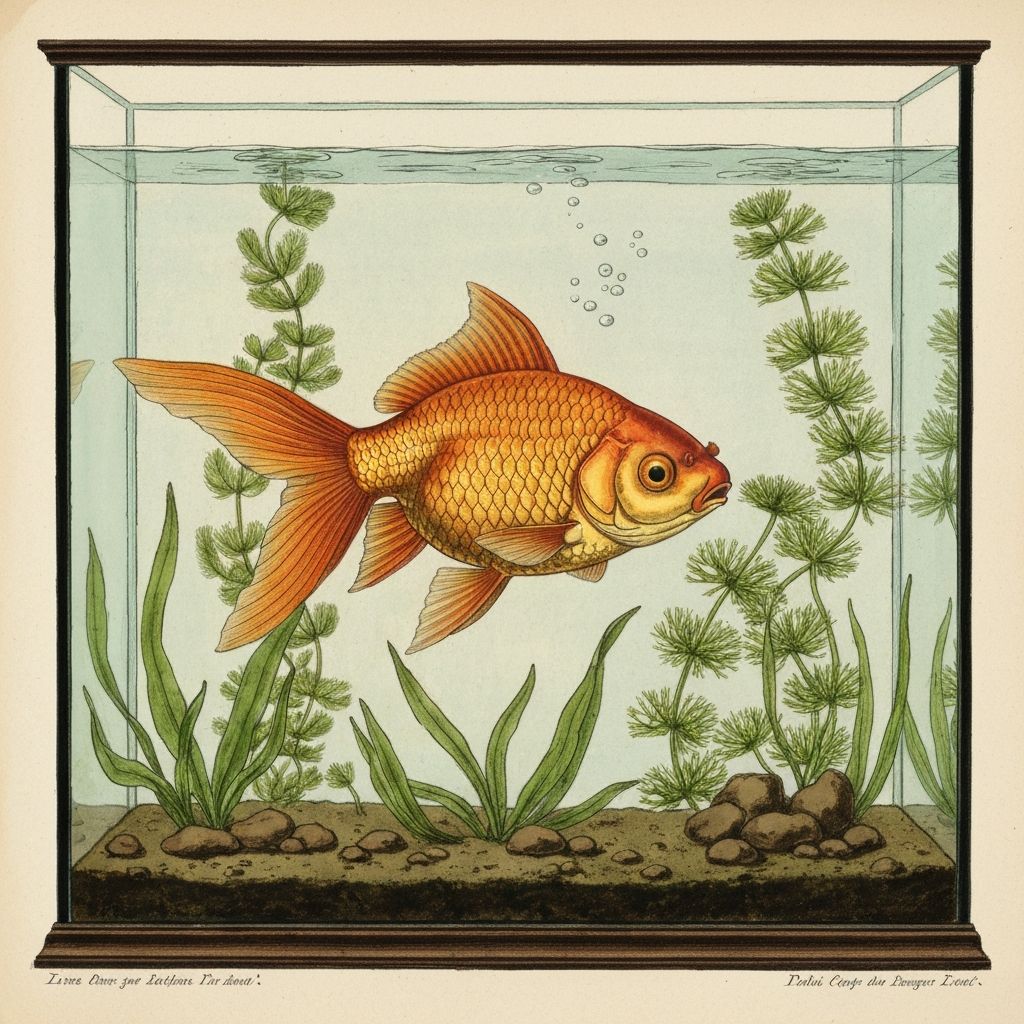
Goldfish: Hardy Fish with Surprising Resilience
Goldfish are one of the most popular pet fish in the world, kept by millions of families across every continent. Their vibrant colors, gentle temperament, and relatively simple care requirements make them an ideal first pet for children and a relaxing hobby for adults. But despite their popularity, many goldfish owners are unsure about fundamental aspects of their care, including how long these hardy fish can survive without food.
A healthy adult goldfish can typically survive for one to two weeks without food, with some individuals lasting up to three weeks under optimal conditions. However, this remarkable survival ability comes with significant caveats. Extended fasting causes progressive physical deterioration that can lead to permanent health damage, disease susceptibility, and shortened lifespan. Understanding why goldfish can fast for extended periods, and why they should not, is essential knowledge for every goldfish keeper.
Why Goldfish Can Survive Extended Fasting
Goldfish belong to the carp family, Cyprinidae, a group of fish that evolved in temperate freshwater environments across East Asia. In their natural habitats, wild carp and goldfish experience seasonal variations in food availability. During cold winters, when water temperatures drop and biological activity slows, natural food sources become scarce. Over thousands of years, goldfish ancestors developed metabolic adaptations that allow them to survive these lean periods.
The most important of these adaptations is the ability to dramatically reduce metabolic rate in response to decreased food availability and lower water temperatures. As cold-blooded animals, goldfish metabolism is directly tied to water temperature. In cooler water, their bodies require less energy, and they can sustain themselves on stored fat and glycogen for extended periods. This is the same mechanism that allows koi and goldfish in outdoor ponds to survive winter months when feeding is suspended.
Goldfish also possess a relatively efficient digestive system that extracts maximum nutrition from available food. Unlike some fish species that have true stomachs, goldfish have a long intestinal tract that continuously processes food. When food is available, they eat frequently and extract nutrients gradually. When food is scarce, the intestinal lining can absorb small amounts of organic matter from the water itself, providing minimal but potentially life-sustaining nutrition.
The Stages of Goldfish Fasting
Understanding what happens inside a goldfish's body during fasting can help owners appreciate why prolonged food deprivation should be avoided. During the first two to three days without food, goldfish deplete their readily available glycogen stores. These are carbohydrate reserves stored primarily in the liver that provide quick energy. During this phase, the fish shows no visible signs of distress and continues behaving normally.
From approximately day three through day seven, the goldfish transitions to burning fat reserves. Healthy, well-fed goldfish accumulate fat deposits around their internal organs and within muscle tissue. These reserves can sustain the fish for several days, but as they deplete, the fish may begin to appear slightly thinner. Activity levels may decrease as the fish conserves energy, and it may become less responsive to external stimuli.
After roughly one week without food, muscle catabolism begins. The body starts breaking down muscle protein for energy, which causes visible wasting. The fish's body becomes noticeably thinner, especially behind the head and along the dorsal ridge. The fish becomes increasingly lethargic and may hover near the bottom of the tank, barely moving. At this stage, the immune system is significantly compromised, and the fish becomes vulnerable to opportunistic infections.
Beyond two weeks, organ function begins to deteriorate. The liver, which has been working overtime to metabolize stored energy, may become damaged. Kidney function can decline, and the osmoregulatory system that maintains proper fluid balance may begin to fail. While some individuals may survive three weeks or even longer, the cumulative damage from extended fasting often proves fatal or results in permanent health impairment that shortens the fish's potential lifespan.
Factors That Influence Fasting Tolerance
Not all goldfish have the same ability to withstand food deprivation. Several factors determine how long an individual fish can safely go without eating. Body condition at the start of the fasting period is perhaps the most important factor. A plump, well-nourished goldfish with adequate fat reserves will survive significantly longer than a thin or recently stressed fish.
The variety of goldfish also plays a role. Common goldfish and comet goldfish, which are closer to their wild carp ancestors in body shape and genetics, tend to be hardier and more tolerant of fasting than fancy goldfish varieties. Fancy breeds like orandas, ranchus, and bubble eyes have been selectively bred for ornamental features that sometimes come at the expense of physical robustness. These delicate varieties may have lower fasting tolerance and are more susceptible to health complications during food deprivation.
Water temperature is a critical factor. In cooler water between 50 and 65 degrees Fahrenheit, goldfish metabolism slows significantly, extending their ability to survive without food. In warmer water above 75 degrees Fahrenheit, metabolism accelerates, burning through energy reserves more quickly and reducing fasting tolerance. This is why outdoor pond goldfish can often go months without supplemental feeding during winter, while indoor goldfish in heated tanks should not fast for more than a few days.
Tank conditions during fasting play a crucial role in survival. A well-maintained tank with clean water, adequate filtration, and proper oxygenation gives fasting goldfish the best chance of staying healthy. Poor water quality adds metabolic stress on top of nutritional stress, dramatically reducing fasting tolerance and increasing disease risk.
Proper Goldfish Nutrition and Feeding Schedules
Prevention is the best approach to avoiding fasting-related health problems. Establishing a proper feeding routine ensures your goldfish receives the nutrition it needs to maintain health, build energy reserves, and resist disease. Adult goldfish should be fed two to three times daily, with each feeding consisting of an amount the fish can consume within two to three minutes.
A balanced goldfish diet should include high-quality goldfish pellets or flakes as the primary food source. These commercial foods are formulated to provide the specific nutritional profile goldfish need, including proteins, fats, carbohydrates, vitamins, and minerals. Supplement the commercial diet with blanched vegetables like peas, zucchini, and spinach, which provide fiber that aids digestion and prevents the constipation that commonly affects goldfish.
Live and frozen foods such as bloodworms, brine shrimp, and daphnia provide excellent protein and stimulate natural foraging behavior. These should be offered as treats several times per week rather than as the primary diet. Variety is key to ensuring complete nutrition and preventing dietary deficiencies that could compromise the fish's health and fasting tolerance.
Avoid overfeeding, which is a more common and more immediately dangerous problem than underfeeding. Excess food decomposes in the tank, producing ammonia and nitrites that poison the water. Overfeeding also causes digestive problems in goldfish, including swim bladder disorder, which can be debilitating. The two-minute feeding rule is a reliable guideline for preventing overfeeding while ensuring adequate nutrition.
Planning for Vacations and Extended Absences
Proper planning can ensure your goldfish stays well-fed and healthy during your absence. For trips of one to three days, no special preparations are needed. Simply feed your goldfish normally before departing and resume regular feeding when you return. Healthy goldfish handle three-day fasts without any adverse effects.
For absences of four to seven days, consider using an automatic fish feeder. These battery-powered devices can be programmed to dispense pre-measured portions at specific times throughout the day. Test the feeder for several days before your trip to ensure it dispenses the correct amount and functions reliably. Position the feeder so that food drops into the water rather than onto dry surfaces where it can accumulate and spoil.
For longer absences, arranging for a trusted person to feed your fish is the safest option. Pre-portion individual feedings into labeled containers or bags to prevent overfeeding by well-meaning but inexperienced caretakers. Provide clear written instructions that include feeding amounts, frequency, and basic water quality observations. Include your contact information and the phone number of a local aquarium store in case of emergencies.
Vacation feeder blocks, which dissolve slowly in the water to release food over several days, are available but carry risks. These blocks can cloud water, alter pH, and release more food than the fish can consume, leading to water quality problems. If you choose to use them, select a product specifically designed for goldfish and test it in a separate container before your trip to observe its dissolution rate and water quality effects.
Recovery After Extended Fasting
If your goldfish has gone without food for an extended period, whether due to an emergency, equipment failure, or oversight, proper recovery feeding is essential. Do not immediately resume full portions, as the fish's digestive system may have partially shut down during the fast. Start with very small amounts of easily digestible food, such as a few crushed pellets or blanched, mashed peas.
Over the course of three to five days, gradually increase portion sizes until you return to normal feeding amounts. Monitor the fish closely during recovery for signs of digestive distress, including bloating, floating, or abnormal feces. Maintain pristine water quality during the recovery period, performing small daily water changes if necessary to keep ammonia and nitrite levels at zero.
Watch for signs of secondary infections during and after the recovery period. A fish whose immune system has been compromised by fasting is vulnerable to bacterial, parasitic, and fungal infections that a healthy fish would easily resist. Early detection and treatment of any disease signs gives the fish the best chance of full recovery.
The Bigger Picture: Responsible Goldfish Keeping
The question of how long a goldfish can live without food often reflects broader concerns about goldfish care. Goldfish are remarkably long-lived fish when properly cared for, with common goldfish regularly living 15 to 20 years and some individuals reaching 30 years or more in optimal conditions. Fancy varieties typically live 8 to 12 years with proper care.
Providing consistent nutrition, clean water, adequate space, and appropriate companionship ensures that your goldfish lives a long, healthy life. Rather than testing your fish's ability to survive without food, focus on creating an environment where it can thrive. The investment in proper feeding equipment, care planning, and education pays dividends in the form of a vibrant, healthy fish that brings joy to your home for many years to come.
