
A World of Foods Starting with the Letter A
The letter A opens the door to an incredibly diverse collection of foods spanning every continent, culture, and culinary tradition on Earth. From the humble apple that appears in lunch boxes worldwide to the exotic ackee fruit of Jamaica, foods beginning with A represent some of the most nutritious, flavorful, and culturally significant ingredients in the global pantry. Whether you are playing a food-themed trivia game, expanding your culinary vocabulary, or simply looking for new ingredients to incorporate into your cooking, this comprehensive guide explores the fascinating world of foods that start with the letter A.
This collection goes beyond simple lists to provide context about each food's origin, nutritional value, culinary applications, and cultural significance. Understanding where our food comes from and how different cultures prepare it enriches our appreciation for the global food system and inspires creative cooking in our own kitchens.
Fruits That Start with A
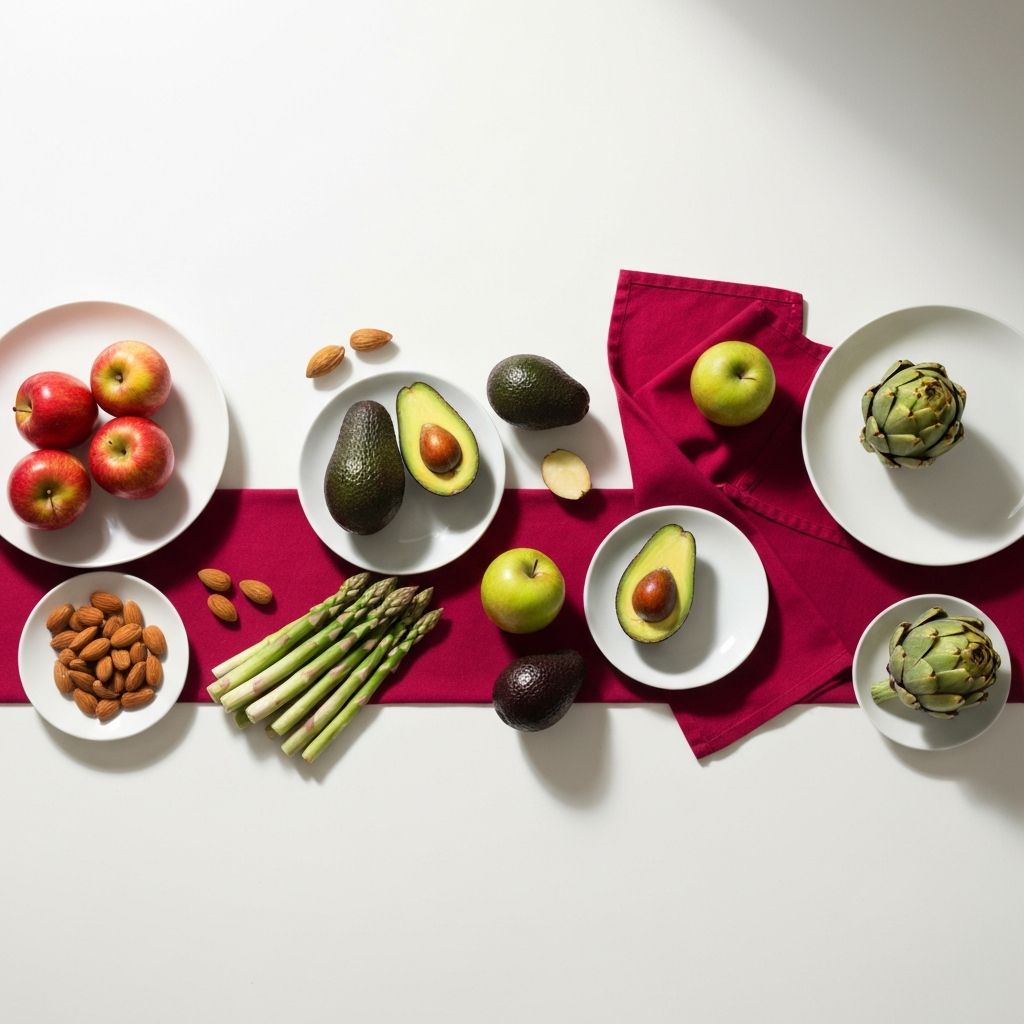
Apples are arguably the most iconic fruit beginning with A, with over 7,500 varieties cultivated worldwide. From the crisp sweetness of Fuji apples to the tart bite of Granny Smiths, this versatile fruit is consumed raw, baked into pies and tarts, pressed into cider, and processed into sauce and butter. Apples are rich in fiber, vitamin C, and various antioxidants, making them a nutritional powerhouse that justifies the famous adage about keeping the doctor away.
Avocados have experienced a remarkable surge in popularity over the past two decades, transforming from a niche ingredient into a global culinary phenomenon. Native to Central America, the avocado's creamy, buttery flesh is rich in heart-healthy monounsaturated fats, potassium, and folate. Guacamole, avocado toast, and avocado-based smoothies represent just a fraction of this fruit's culinary applications. The Hass variety dominates commercial production, accounting for approximately 80% of all avocados consumed worldwide.
Apricots offer a unique flavor profile that balances sweetness with a gentle tartness. These stone fruits are closely related to peaches and plums but possess their own distinctive character. Fresh apricots are a summer delicacy, while dried apricots serve as a year-round snack and baking ingredient. Rich in vitamin A, vitamin C, and dietary fiber, apricots also contain powerful antioxidants that support eye health and immune function.
Acai berries burst onto the international health food scene in the early 2000s, marketed as a superfood from the Amazon rainforest. These small, dark purple berries contain exceptionally high levels of anthocyanins, the same antioxidant compounds found in blueberries and red wine. Acai bowls, made from pureed frozen acai berries topped with granola, fresh fruit, and honey, have become a breakfast and snack staple in health-conscious communities worldwide.
Ackee is the national fruit of Jamaica and the star ingredient in the country's beloved national dish, ackee and saltfish. This tropical fruit must be harvested and prepared correctly, as unripe ackee contains hypoglycin A, a toxin that can cause serious illness. When properly ripened and cooked, ackee has a mild, creamy flavor and a texture reminiscent of scrambled eggs, making it a unique and versatile ingredient in Caribbean cuisine.
Vegetables That Start with A
Asparagus is a spring vegetable prized for its tender spears and distinctive flavor. This nutrient-dense vegetable is an excellent source of folate, vitamins A, C, and K, and contains a unique compound called asparagine, the amino acid from which it derives its name. Asparagus can be grilled, roasted, steamed, or eaten raw in salads, and its peak season from April through June makes it a celebration of spring on dinner tables around the world.
Artichokes are edible flower buds harvested before they bloom, with the heart and inner leaves being the prized edible portions. Globe artichokes are most common, with the tender heart serving as the centerpiece of Mediterranean dishes from Italy to North Africa. Artichoke hearts are rich in fiber, antioxidants, and cynarin, a compound that stimulates bile production and supports liver health. Stuffed artichokes, artichoke dip, and grilled artichoke hearts are among the most popular preparations.
Arugula, also known as rocket in British English, is a peppery leafy green that adds bold flavor to salads, pizzas, and pasta dishes. This cruciferous vegetable is closely related to broccoli and kale, sharing many of the same health-promoting glucosinolate compounds. Arugula's distinctively peppery, slightly bitter flavor profile makes it an excellent counterpoint to rich cheeses, sweet dressings, and fatty meats in composed dishes.
Grains, Legumes, and Nuts Starting with A
Almonds are one of the most popular tree nuts globally, consumed raw as snacks, ground into flour for gluten-free baking, and processed into almond milk, butter, and oil. California's Central Valley produces approximately 80% of the world's almond supply, making it a critical agricultural product. Almonds are exceptionally nutrient-dense, providing significant amounts of vitamin E, magnesium, protein, and healthy fats in each serving.
Adzuki beans are small, red legumes that hold a position of cultural significance in East Asian cuisine. In Japan, sweetened adzuki bean paste called anko fills traditional confections like mochi, dorayaki, and taiyaki. In savory applications, adzuki beans appear in soups, rice dishes, and stews across China, Korea, and Southeast Asia. These beans are an excellent source of plant-based protein, fiber, and essential minerals including iron and manganese.
Amaranth is an ancient pseudocereal that was a dietary staple of the Aztec civilization. Like quinoa, amaranth is technically a seed rather than a true grain, but it is prepared and consumed in similar ways. Amaranth's nutritional profile is remarkable, containing complete protein with all essential amino acids, high levels of iron and calcium, and significantly more fiber than most true grains. Popped amaranth, amaranth porridge, and amaranth flour are increasingly available in health food stores worldwide.
Proteins and Dairy Starting with A
Anchovies are small, oily fish that pack an enormous flavor punch relative to their tiny size. These Mediterranean staples are consumed fresh, salt-cured, oil-packed, and processed into anchovy paste and fish sauce. Despite their polarizing reputation as a pizza topping, anchovies are an essential ingredient in Caesar salad dressing, Worcestershire sauce, and numerous Italian pasta dishes. Their high omega-3 fatty acid content and rich umami flavor make them both nutritious and culinarily versatile.
Asiago cheese is an Italian cow's milk cheese produced in the Asiago plateau region of the Veneto and Trentino-Alto Adige provinces. Fresh Asiago (Asiago Pressato) is smooth and mild, while aged Asiago (Asiago d'Allevo) develops a crumbly texture and sharp, complex flavor that rivals Parmesan. Protected by European PDO designation, authentic Asiago cheese must be produced according to strict traditional methods within its designated geographic region.
Spices, Herbs, and Condiments Starting with A
Allspice, despite its name suggesting a blend, is a single spice derived from the dried berries of the Pimenta dioica tree native to Central America and the Caribbean. Its complex flavor profile combines notes of cinnamon, nutmeg, and cloves, which inspired its common name. Allspice is essential to Jamaican jerk seasoning, Middle Eastern baharat spice blends, and numerous European baking traditions including Swedish meatballs and German Christmas cookies.
Anise and its botanical relative star anise contribute a distinctive licorice-like flavor to both sweet and savory dishes across diverse culinary traditions. Mediterranean anise seeds flavor Italian biscotti, Greek ouzo, and French pastis. Chinese star anise is a key component of five-spice powder and plays a critical role in the aromatic braising liquids used for dishes like red-cooked pork and Vietnamese pho broth.
Conclusion
The letter A encompasses an extraordinary range of foods that span continents, cultures, and culinary traditions. From nutrient-dense superfoods like acai berries and amaranth to beloved staples like apples and almonds, these ingredients represent the remarkable diversity of our global food system. Exploring foods alphabetically is more than a trivia exercise; it is an invitation to broaden our palates, appreciate different culinary traditions, and discover new ingredients that can transform our everyday cooking.
