
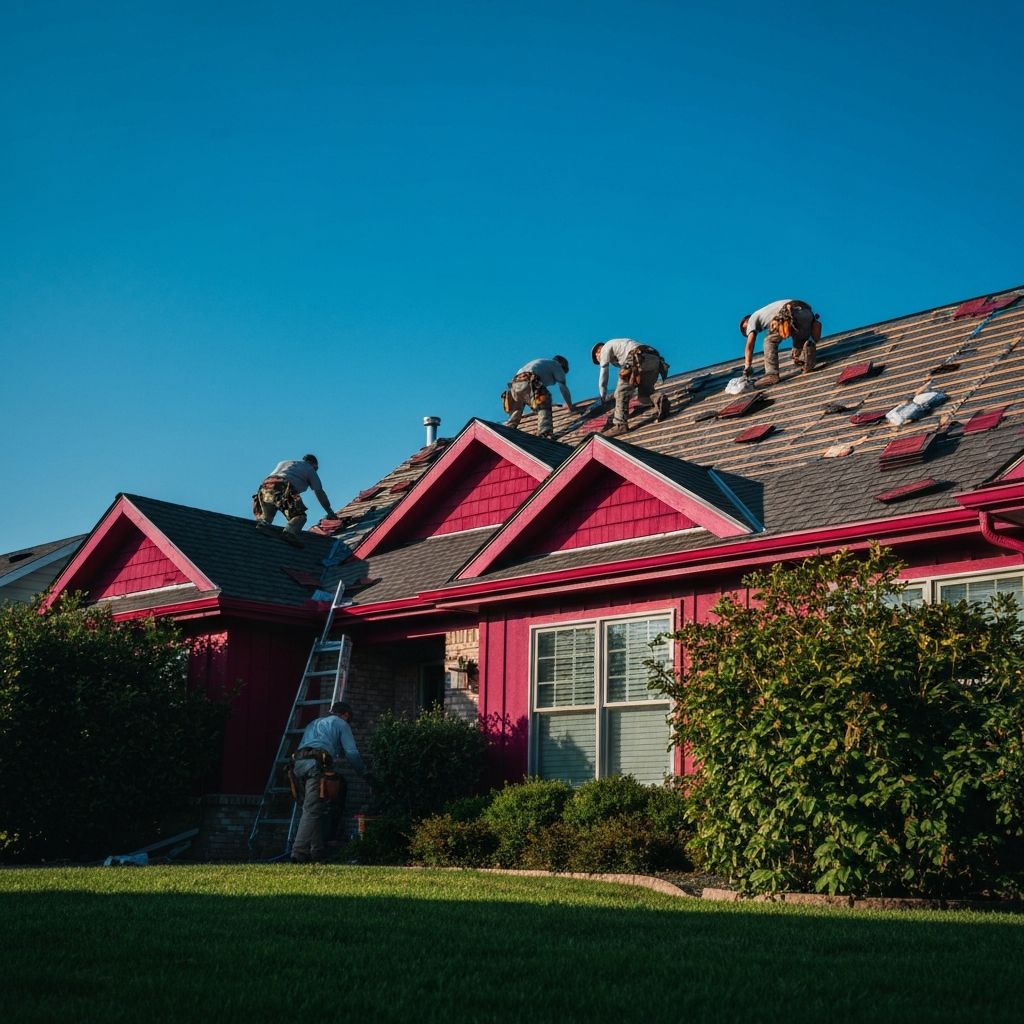
Understanding Roof Replacement Timelines
Replacing a roof is one of the most significant home improvement projects a homeowner can undertake. It's a substantial investment in both money and time, and understanding how long the process takes helps you plan effectively, minimize disruption to your daily life, and set realistic expectations for your roofing contractor.
The short answer is that most residential roof replacements take between one and three days to complete. However, this is a broad estimate that can vary significantly based on numerous factors. A simple asphalt shingle replacement on a small, straightforward ranch-style home might be completed in a single day, while a complex replacement involving multiple roof planes, steep pitches, and specialty materials could take a week or more.
Average Timelines by Roof Type
The type of roofing material you choose has a significant impact on the overall timeline of your roof replacement project. Different materials require different installation techniques, tools, and levels of expertise.
Asphalt Shingles: The most common roofing material in North America, asphalt shingles are also among the fastest to install. A typical 2,000-square-foot roof can be stripped and re-shingled in one to two days with a crew of four to six experienced roofers. Three-tab shingles install slightly faster than architectural or dimensional shingles due to their simpler design.
Metal Roofing: Metal roof installation generally takes two to four days for a standard residential home. Standing seam metal roofing requires precise measurements and careful installation to ensure proper alignment and weatherproofing. Metal shingle or panel systems may install slightly faster than standing seam but still require more time than asphalt shingles.
Tile Roofing: Clay or concrete tile roofs are among the most time-consuming to install, typically requiring five to seven days or more. Each tile must be individually placed and secured, and the added weight of tile roofing often requires structural reinforcement before installation can begin. The fragility of the materials also necessitates more careful handling.
Slate Roofing: Like tile, natural slate is a premium roofing material that requires skilled installation and considerable time. A slate roof replacement can take one to two weeks, depending on the size and complexity of the roof. Slate tiles must be individually fitted and nailed, and the material's weight may require additional structural support.
Wood Shakes and Shingles: Cedar shakes and shingles typically take three to five days to install on a standard residential roof. Each piece must be individually placed with proper spacing to allow for expansion and contraction, and the installation process requires more skill and attention than asphalt shingle installation.
Factors That Influence the Timeline
Beyond the choice of roofing material, several other factors play a significant role in determining how long your roof replacement will take.
Roof Size and Complexity: The total square footage of your roof is the most obvious factor affecting timeline. Roofers measure roof area in "squares," with each square equaling 100 square feet. A 20-square roof will naturally take longer than a 15-square roof. Complexity is equally important: roofs with multiple valleys, dormers, skylights, chimneys, and changes in pitch require more time than simple gable or hip roofs.
Roof Pitch: Steeper roofs take longer to work on because they require additional safety equipment, including harnesses and scaffolding. Workers move more slowly on steep slopes, and material handling is more difficult. Roofs with a pitch of 6:12 or greater are considered steep and will add time to the project.
Decking Condition: Once the old roofing material is removed, the underlying decking (usually plywood or oriented strand board) must be inspected. If the decking is damaged, rotted, or compromised, it must be repaired or replaced before new roofing can be installed. Extensive decking repairs can add a day or more to the project timeline.
Number of Layers: Some homes have multiple layers of shingles that must be removed before new roofing can be installed. Building codes typically allow a maximum of two layers, but homes with two layers of existing shingles will take longer to strip than those with a single layer. The additional removal work generates more debris and requires more labor.
Weather Conditions: Weather is perhaps the most unpredictable factor in roof replacement timelines. Rain, snow, extreme heat, and high winds can all halt work temporarily. Most roofing contractors will not work during precipitation, as moisture can damage the exposed decking and compromise the new roofing installation. Extreme heat can make asphalt shingles too pliable and workers more susceptible to heat-related illness.
Crew Size: The number of workers on the crew directly impacts how quickly the job can be completed. A larger crew can complete the work faster but may also cost more. Most residential roof replacements are performed by crews of four to eight workers, with the exact number depending on the job's scope and the contractor's staffing.
The Roof Replacement Process Step by Step
Understanding what happens during each phase of the roof replacement helps you anticipate the timeline and prepare your home accordingly.
Pre-Installation Preparation (1-2 weeks before): Before work begins, your contractor will order materials, obtain necessary permits, and schedule the work. You'll need to prepare your property by moving vehicles, outdoor furniture, and potted plants away from the house. Covering items in the attic with tarps to protect against dust and debris is also recommended.
Day 1 - Tear-Off and Inspection: The first day typically involves removing the existing roofing material down to the decking. The crew will set up safety equipment, position a dumpster for debris, and begin stripping the old shingles, underlayment, and flashing. Once exposed, the decking is inspected for damage and repaired as needed. If the weather and conditions allow, underlayment installation may begin on the first day.
Day 2 - Installation: The second day focuses on installing the new roofing system. This includes applying ice and water shield in vulnerable areas, installing new underlayment, placing drip edges and flashing, and laying the new roofing material. Ridge vents, pipe boots, and other penetration details are also addressed during this phase.
Day 3 - Completion and Cleanup: The final day involves finishing any remaining installation work, installing ridge caps, performing quality inspections, and conducting thorough cleanup. A professional crew will use magnetic sweepers to collect stray nails from the yard, driveway, and surrounding areas. A final walkthrough with the homeowner ensures satisfaction with the work.
How to Minimize Delays
While some delays are beyond your control, several proactive steps can help keep your roof replacement on schedule.
Choose your contractor carefully. Experienced, well-staffed roofing companies with strong reputations are less likely to experience delays than smaller or less established operations. Check references, verify licensing and insurance, and review recent project timelines before making your selection.
Be flexible with scheduling. If your contractor identifies a window of favorable weather, being willing to adjust your schedule can help avoid weather-related delays. Roof replacements scheduled during the fall or spring, when weather is generally more predictable, tend to experience fewer interruptions than those scheduled during summer storm season or winter months.
Make decisions early. Choosing your roofing material, color, and any upgrades well before the scheduled start date ensures that materials are on hand when work begins. Last-minute changes can cause delays if materials need to be reordered or if the change affects the installation plan.
What to Expect During the Replacement
Roof replacement is a noisy, disruptive process, and knowing what to expect helps you and your family prepare. The tear-off phase is the loudest, with hammering, scraping, and the sound of debris falling into the dumpster. Installation is generally somewhat quieter but still involves considerable noise from nail guns and movement on the roof.
Dust and small debris may enter your attic space despite precautions, so covering stored items and removing anything particularly valuable or sensitive is advisable. Vibrations from the work can also knock items off walls inside the house, so consider removing hanging pictures and fragile decorations near exterior walls.
Most homeowners choose to remain in their homes during roof replacement, and this is generally safe and practical. However, if you have young children, pets that are sensitive to noise, or health conditions that could be aggravated by dust and noise, arranging alternative accommodations for the duration of the project may be worthwhile.
Conclusion
A typical residential roof replacement takes one to three days for asphalt shingles and up to a week or more for specialty materials. Factors including roof size, complexity, weather conditions, and decking condition all influence the timeline. By choosing an experienced contractor, planning ahead, and understanding the process, you can ensure your roof replacement goes as smoothly and quickly as possible while protecting your home for decades to come.
