
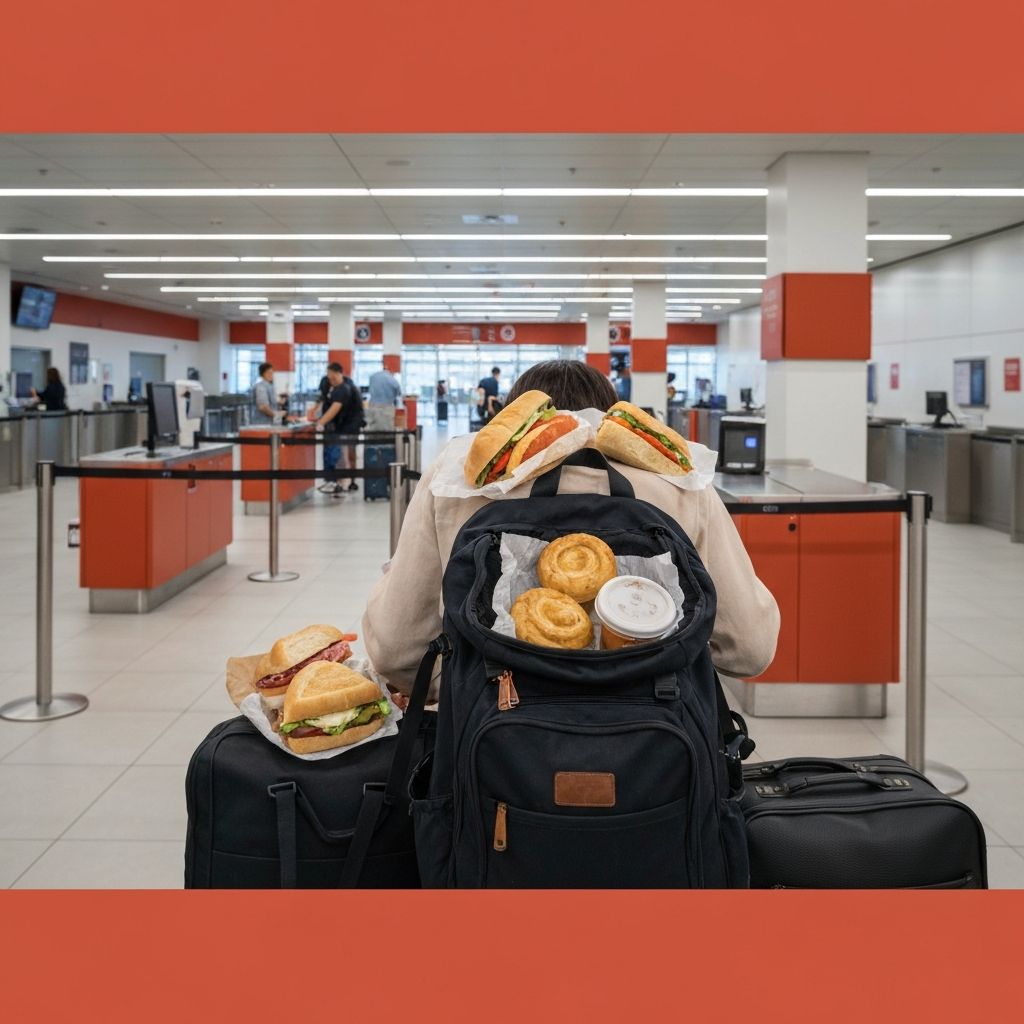
TSA Rules for Bringing Food Through Security
Traveling can be expensive, and airport food prices are notoriously high. The good news is that the Transportation Security Administration (TSA) allows most food items through airport security checkpoints. However, there are specific rules and restrictions that travelers need to understand to avoid having their carefully packed snacks confiscated at the checkpoint. Knowing these rules before you pack can save you time, money, and the frustration of losing your favorite foods.
The general rule is straightforward: solid food items are allowed through TSA checkpoints in both carry-on and checked luggage. This includes items like sandwiches, fruits, vegetables, chips, cookies, candy, nuts, granola bars, and most other snack foods. You can bring these items in any quantity, and they do not need to be in their original packaging. However, TSA officers have the final say on whether an item is allowed through the checkpoint.
The Liquid Rule and How It Applies to Food
The TSA's 3-1-1 liquid rule is where things get more complicated for food items. Any food that is considered a liquid, gel, cream, paste, or aerosol must follow the same rules as other liquids: containers must be 3.4 ounces (100 milliliters) or less and must fit in a single quart-sized, clear, zip-top plastic bag. This rule applies to items that many travelers might not immediately think of as liquids.
Foods that fall under the liquid rule include yogurt, hummus, peanut butter, jam, jelly, salsa, soup, gravy, salad dressing, sauces, and dips. Cream cheese, soft cheeses, and any spreadable cheese are also considered liquids under TSA guidelines. Even foods like mashed potatoes, applesauce, and canned goods with liquid are subject to the 3-1-1 rule. If you are unsure whether a food item qualifies as a liquid, a good test is whether it can be poured, spread, or sprayed.
There are some important exceptions to the liquid rule for food items. Baby food, breast milk, and formula are allowed in reasonable quantities and are exempt from the 3-1-1 rule. These items should be declared to TSA officers at the checkpoint for inspection. Similarly, medically necessary gel or liquid nutrition supplements are allowed in quantities that exceed the standard limits, though they must also be declared.
Solid Foods You Can Freely Bring
The list of solid foods you can bring through airport security is extensive and covers most common snack and meal items. Bread, bagels, rolls, and other baked goods are all permitted without restriction. Fresh fruits like apples, bananas, oranges, and grapes are welcome, as are fresh vegetables like carrots, celery, and bell peppers. Dried fruits and trail mix are excellent travel-friendly options.
Protein-rich foods such as jerky, hard-boiled eggs, cheese slices (hard varieties), deli meats, and cooked chicken are all allowed. Nut butters in individual packets under 3.4 ounces are a convenient way to bring spreads without running afoul of the liquid rule. Energy bars, protein bars, and granola bars are some of the easiest foods to pack and are never questioned at security checkpoints.
You can also bring complete meals through security. Pack a sandwich, wrap, or salad (without liquid dressing) for a healthy and affordable in-flight meal. Pizza, burgers, burritos, and other prepared foods are also allowed. Some travelers even bring full home-cooked meals in sealed containers. As long as the food items are solid and not in liquid form, you should have no issues getting them through the checkpoint.
Foods That Might Cause Issues
While most solid foods pass through security without any problems, some items may require additional screening or raise questions from TSA officers. Large cakes and pies, for example, are allowed but may need to be removed from your carry-on for separate X-ray screening. The same applies to large blocks of cheese, which can appear similar to certain prohibited items on X-ray screens.
Frozen foods present an interesting situation. Frozen items are allowed through security as long as they are completely frozen solid at the time of screening. If they have begun to melt and there is any liquid present, they become subject to the 3-1-1 liquid rule. This is important to keep in mind if you are trying to transport frozen meals or ice cream. Use dry ice (up to 5.5 pounds with airline approval) or freeze gel packs solid to keep items frozen.
Canned goods with liquid, jars of sauce, bottles of olive oil, and containers of soup are all subject to the liquid rule and will be confiscated if they exceed 3.4 ounces. If you want to bring these items, pack them in your checked luggage instead. Wine, spirits, and other alcoholic beverages are allowed in checked luggage (up to 140 proof) but must follow the 3-1-1 rule if carried through security.
International Travel Food Restrictions
While TSA rules govern what you can bring through airport security in the United States, international travel adds another layer of complexity. Many countries have strict customs and agricultural regulations that prohibit or restrict the importation of certain food items. These restrictions are designed to prevent the introduction of pests, diseases, and invasive species.
Fresh fruits, vegetables, meats, and dairy products are commonly restricted when traveling internationally. Australia and New Zealand have some of the strictest food import regulations in the world, requiring declaration of virtually all food items and imposing significant fines for non-compliance. The European Union restricts the importation of meat and dairy products from non-EU countries. Even traveling between US states, particularly to and from Hawaii, involves agricultural inspections.
Processed and commercially packaged foods are generally easier to bring across international borders than fresh items. Sealed packages of chips, cookies, and candy are usually allowed without issue. However, items containing meat products, even in processed form, may be restricted in some countries. Always check the customs regulations of your destination country before packing food for international travel.
Tips for Packing Food for Air Travel
Packing food effectively for air travel requires some planning and the right supplies. Use leak-proof containers to prevent spills in your bag, and wrap items in plastic wrap or aluminum foil for extra protection. Hard-sided containers protect fragile items like chips and crackers from being crushed in your carry-on bag. Insulated lunch bags help keep perishable items cool without the need for ice packs.
Be considerate of your fellow passengers when choosing what foods to bring on the plane. Strongly scented foods like tuna, hard-boiled eggs, or pungent cheeses can be unpleasant in the confined cabin environment. Opt for foods that are easy to eat without creating a mess, and bring napkins or wipes for cleanup. Foods that do not require utensils are the most convenient choice for eating in your seat.
Consider the length of your flight when planning your food. For short domestic flights, simple snacks are usually sufficient. For longer flights, pack a more substantial meal and multiple snacks. Remember that you can always purchase beverages after clearing security, so focus your packing on food items that are expensive or hard to find at the airport. Many airports now have water bottle filling stations where you can refill an empty bottle for free after clearing security.
