
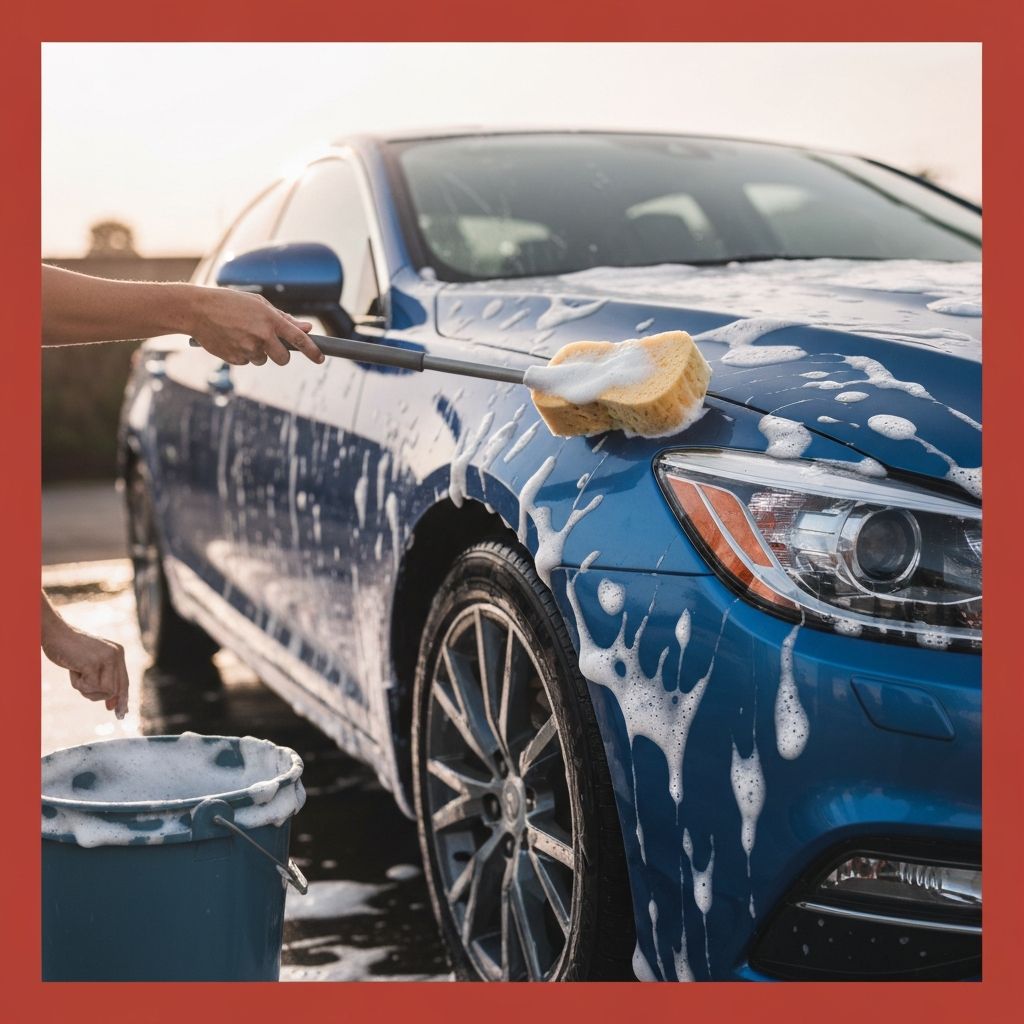
The Short Answer: It Is Not Recommended
The temptation to use dish soap for washing your car is understandable. It is readily available, affordable, and clearly effective at cutting through grease and grime. However, automotive care experts and detailing professionals strongly advise against using household dish soap on your vehicle. While it will not cause immediate catastrophic damage, regular use of dish soap can gradually degrade your car's finish and protective coatings.
Dish soap is specifically formulated to strip away oils, grease, and food residue from dishes and cookware. This aggressive cleaning power is exactly what makes it problematic for automotive use. Your car's exterior is protected by layers of clear coat, wax, sealant, or ceramic coating, all of which contain oils and polymers that dish soap is designed to remove. Using dish soap essentially strips away the very protections that keep your car's paint looking good and protected from the elements.
What Dish Soap Does to Your Car's Paint
Your car's paint system is more complex than most people realize. It consists of multiple layers: the metal body panel, a primer layer, a base coat that provides color, and a clear coat that provides gloss and UV protection. On top of this, most car owners apply additional protection in the form of wax, paint sealant, or ceramic coating. Each of these layers serves a specific purpose in protecting and beautifying your vehicle.
Dish soap, with its high pH levels and powerful surfactants, attacks the wax and sealant layers first. A single wash with dish soap can strip away weeks or even months of wax protection. Over time, repeated use begins to affect the clear coat itself, causing it to become dull, thin, and more susceptible to UV damage, oxidation, and environmental contaminants. The clear coat is not easily replaced and its degradation leads to expensive paint correction or repainting.
The dyes and fragrances in many dish soaps can also leave residues on your car's surface that attract dirt and create water spots. These residues can be particularly problematic on dark-colored vehicles where imperfections are more visible. Additionally, the high concentration of dish soap that most people use when washing dishes is far too strong for automotive paint, even when diluted with water.
When Dish Soap Might Be Acceptable
There are a few specific scenarios where using dish soap on your car might actually be appropriate. If you are preparing your car's surface for a fresh application of wax or sealant, dish soap can be useful for stripping away the old layer of protection to ensure the new product bonds properly to the paint. Professional detailers sometimes use this technique as a preparation step.
If your car has been exposed to heavy contamination such as tree sap, bird droppings, or road tar that regular car wash soap cannot remove, a diluted dish soap solution applied to the affected area can help break down the contamination. However, this should be done sparingly, only on the affected areas, and followed immediately by thorough rinsing and application of fresh wax or sealant to restore protection.
In emergency situations where your car is extremely dirty and no car wash soap is available, a very dilute solution of dish soap (a few drops in a bucket of water) is preferable to driving with corrosive contaminants like bird droppings or insect remains on the paint. Just make sure to apply wax or sealant as soon as possible afterward to restore the protective layer.
The Best Products for Washing Your Car
Dedicated car wash soaps are formulated with a pH-balanced formula that effectively cleans your car's surface without stripping away protective coatings. These products contain milder surfactants that lift dirt and grime while preserving wax and sealant layers. Many car wash soaps also contain lubricating agents that help prevent wash-induced scratches and swirl marks.
Popular car wash soap brands include Meguiar's Gold Class Car Wash, Chemical Guys Mr. Pink, Adam's Car Wash Shampoo, and Griot's Garage Brilliant Finish Car Wash. These products typically cost between $8 and $20 per bottle and last for dozens of washes when used at the recommended dilution ratio. This makes them incredibly cost-effective, especially when compared to the potential cost of paint correction caused by using dish soap.
For an even more gentle approach, consider using a waterless wash or rinseless wash product for lightly soiled vehicles. Products like Optimum No Rinse (ONR) and McKee's 37 N-914 Rinseless Wash allow you to clean your car using just a spray bottle and microfiber towels, significantly reducing water usage while being extremely gentle on your car's finish.
Proper Car Washing Technique
Using the right soap is only part of the equation. Proper washing technique is equally important for maintaining your car's finish. The two-bucket method is considered the gold standard by detailing professionals. Fill one bucket with your car wash soap solution and another with clean rinse water. Dip your wash mitt in the soapy bucket, wash a section of the car, then rinse the mitt in the clean water bucket before reloading it with soap.
Always wash your car from top to bottom, as the lower panels tend to have the most dirt and grit. Use a high-quality microfiber wash mitt rather than a sponge, which can trap dirt particles against the paint and cause scratches. Rinse your car thoroughly before washing to remove loose dirt and debris, and work in the shade to prevent the soap from drying on the surface before you can rinse it off.
After washing, dry your car using a clean, high-quality microfiber drying towel or a forced-air blower. Never let your car air dry, as this can leave water spots that are difficult to remove, especially if you have hard water. A quick spray of detail spray or drying aid before towel drying adds extra lubrication and protection while making the drying process easier and more effective.
Maintaining Your Car's Protection
Regular washing is just one component of maintaining your car's exterior. Applying a layer of wax, sealant, or ceramic coating every few months provides a protective barrier against UV rays, bird droppings, tree sap, and other environmental hazards. This protection also makes your car easier to clean, as contaminants are less likely to bond directly to the paint surface.
Consider investing in a paint protection film (PPF) for high-impact areas like the front bumper, hood, and side mirrors. This transparent film provides a physical barrier against rock chips, scratches, and bug splatter. Combined with a ceramic coating, PPF offers the ultimate protection for your vehicle's exterior and can significantly reduce the time and effort required for regular maintenance washing.
