
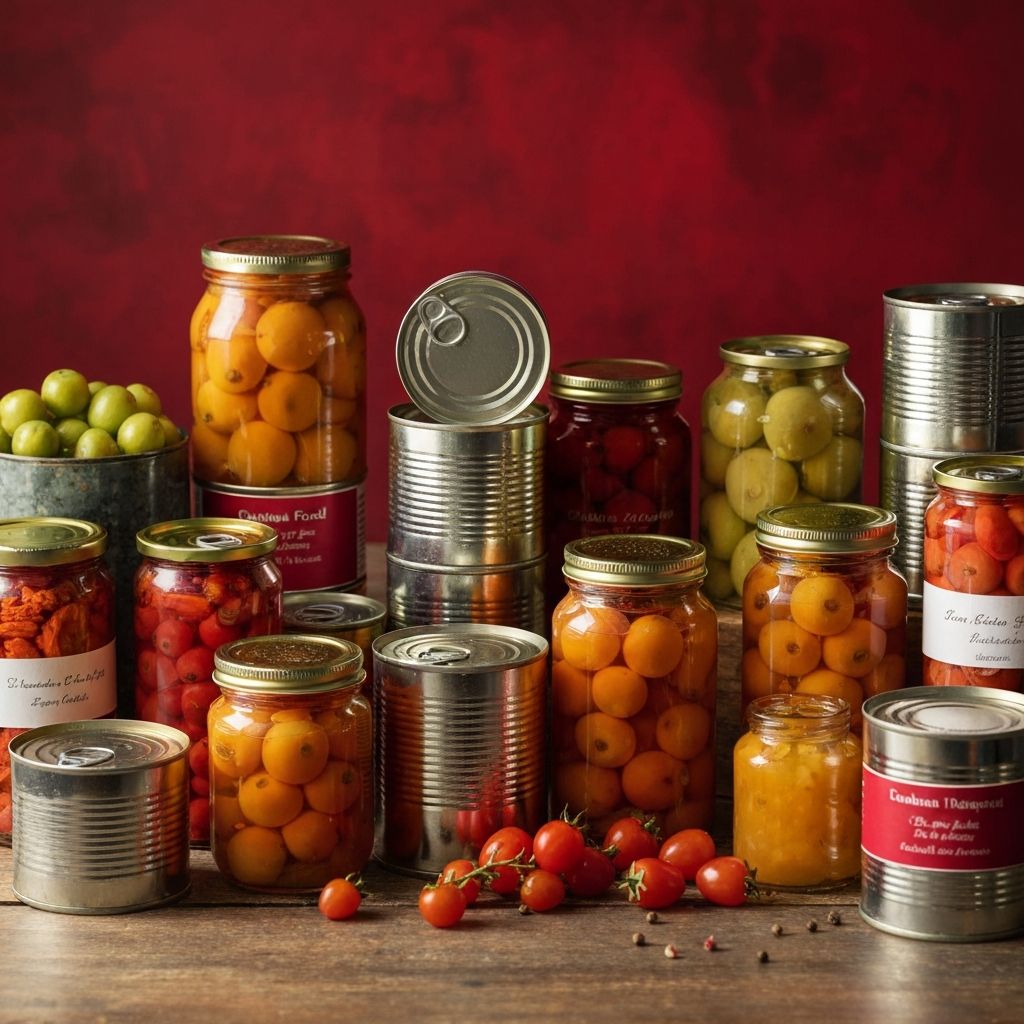
The History of Canned Food
Canned food has a fascinating history that dates back over two centuries. The concept of preserving food in sealed containers was born out of military necessity during the Napoleonic Wars. In 1809, Nicolas Appert, a French confectioner, developed a method of sealing food in glass jars and heating them to prevent spoilage. His work earned him a prize from the French government, which was seeking ways to better feed its armies during long campaigns.
The transition from glass jars to metal cans came shortly after, when Peter Durand, a British merchant, patented the use of tin-coated iron cans for food preservation in 1810. These early tin cans were thick, heavy, and had to be opened with a hammer and chisel. It was not until 1858 that Ezra Warner invented the first dedicated can opener, making canned food more accessible to the general public.
The canning industry grew rapidly throughout the 19th and 20th centuries, driven by demand from military forces, explorers, and increasingly urban populations who lacked access to fresh farm produce. Today, canned food is a multi-billion dollar global industry that provides affordable, nutritious, and convenient food to billions of people worldwide.
How Canned Food Is Made
The modern canning process is a marvel of food science and engineering. It begins with the selection and preparation of raw ingredients, which are washed, trimmed, peeled, or otherwise processed as needed. Fruits and vegetables are typically canned at the peak of their ripeness, which is why many canned products retain excellent nutritional value and flavor.
The prepared food is then filled into cans along with a liquid medium, which may be water, brine, syrup, or sauce depending on the product. The cans are then sealed to create an airtight barrier that prevents contamination from external bacteria and other microorganisms.
The sealed cans undergo thermal processing, also known as retorting, where they are heated to temperatures between 240°F and 250°F (116°C to 121°C) for a specific period of time. This high-temperature treatment destroys harmful bacteria, including Clostridium botulinum, the organism responsible for botulism. The combination of the airtight seal and thermal sterilization is what gives canned food its remarkable shelf life.
After heating, the cans are rapidly cooled, labeled, and packed for distribution. Quality control checks are performed throughout the process to ensure that every can meets strict safety and quality standards.
Nutritional Value of Canned Food
A common misconception about canned food is that it is nutritionally inferior to fresh or frozen alternatives. While some nutrients, particularly heat-sensitive vitamins like vitamin C, can be reduced during the canning process, many other nutrients are well-preserved. In fact, the canning process can sometimes enhance the bioavailability of certain nutrients.
For example, the lycopene content of tomatoes, a powerful antioxidant associated with reduced risk of heart disease and certain cancers, is actually increased through the heating process used in canning. Canned tomatoes contain significantly more bioavailable lycopene than raw tomatoes, making them a nutritionally superior choice for this particular compound.
Canned fish, such as salmon and sardines, are excellent sources of protein, omega-3 fatty acids, and calcium. The canning process softens the bones of these fish, making them edible and providing a significant calcium boost that is not available from fresh fish fillets.
Canned beans and legumes retain their high protein and fiber content through the canning process. They are also pre-cooked, making them a convenient and nutritious option for adding plant-based protein to meals without the lengthy soaking and cooking times required for dried beans.
Shelf Life and Storage
One of the primary advantages of canned food is its extraordinary shelf life. When stored properly in a cool, dry place, most canned foods can maintain their quality for two to five years. Some canned products, particularly those with high acid content like tomatoes and fruits, have a recommended shelf life of 12 to 18 months, while low-acid foods like meats, vegetables, and soups can last three to five years or longer.
It is important to distinguish between safety and quality when discussing canned food shelf life. Canned food that is stored properly and shows no signs of damage or spoilage is generally safe to eat well beyond its best-by date. However, the quality in terms of taste, texture, and nutritional value may gradually decline over time.
Store canned goods in a cool, dry location away from direct sunlight and extreme temperature fluctuations. Ideal storage temperatures are between 50°F and 70°F (10°C to 21°C). Avoid storing cans in garages, attics, or other areas where temperatures can exceed 100°F (38°C), as high temperatures can accelerate quality deterioration and potentially compromise the seal.
Safety Considerations
Canned food is one of the safest forms of food preservation when proper manufacturing and storage practices are followed. However, there are several safety considerations that consumers should be aware of when purchasing and using canned products.
Never purchase or use cans that are dented, swollen, leaking, or rusted. These physical defects can compromise the integrity of the can's seal, potentially allowing bacteria to enter and contaminate the food. Swollen cans are particularly concerning, as they may indicate the presence of gas-producing bacteria like Clostridium botulinum.
Once a can is opened, the contents should be transferred to a separate container and refrigerated if not consumed immediately. Opened canned food should be consumed within three to four days when stored in the refrigerator. Do not store food in an opened can, as the metal can impart a metallic taste and the open container does not provide adequate protection from contamination.
BPA (bisphenol A) in can linings has been a topic of consumer concern. Many major canning companies have transitioned to BPA-free can linings in response to these concerns. If BPA is a concern for you, look for cans labeled as BPA-free or choose products packaged in glass jars or cartons.
Tips for Choosing the Best Canned Food
Not all canned foods are created equal, and making informed choices at the grocery store can help you maximize the nutritional value and quality of the canned products in your pantry. When selecting canned vegetables, look for options labeled "no salt added" or "low sodium." Many canned vegetables contain added salt for flavor and preservation, which can contribute to excessive sodium intake.
For canned fruits, choose products packed in water or 100% fruit juice rather than heavy syrup. Fruits packed in syrup contain significantly more added sugar, which reduces their nutritional value relative to those packed in lighter mediums.
When purchasing canned fish, look for products packed in water or olive oil. Check the label for the type of fish used and look for certifications like MSC (Marine Stewardship Council) for sustainably sourced seafood.
Read the ingredient list carefully. The best canned foods have short, simple ingredient lists that include the primary food item, water or a simple liquid medium, and minimal additives. Avoid products with long lists of artificial preservatives, colorings, and flavor enhancers.
Conclusion
Canned food is a remarkable invention that has shaped human nutrition and food access for over two centuries. From its wartime origins to its modern role as a pantry staple, canned food offers convenience, affordability, safety, and surprising nutritional value. By understanding how canned food is made, how to store it properly, and how to choose the best products, consumers can make the most of this versatile and enduring food preservation method.
