
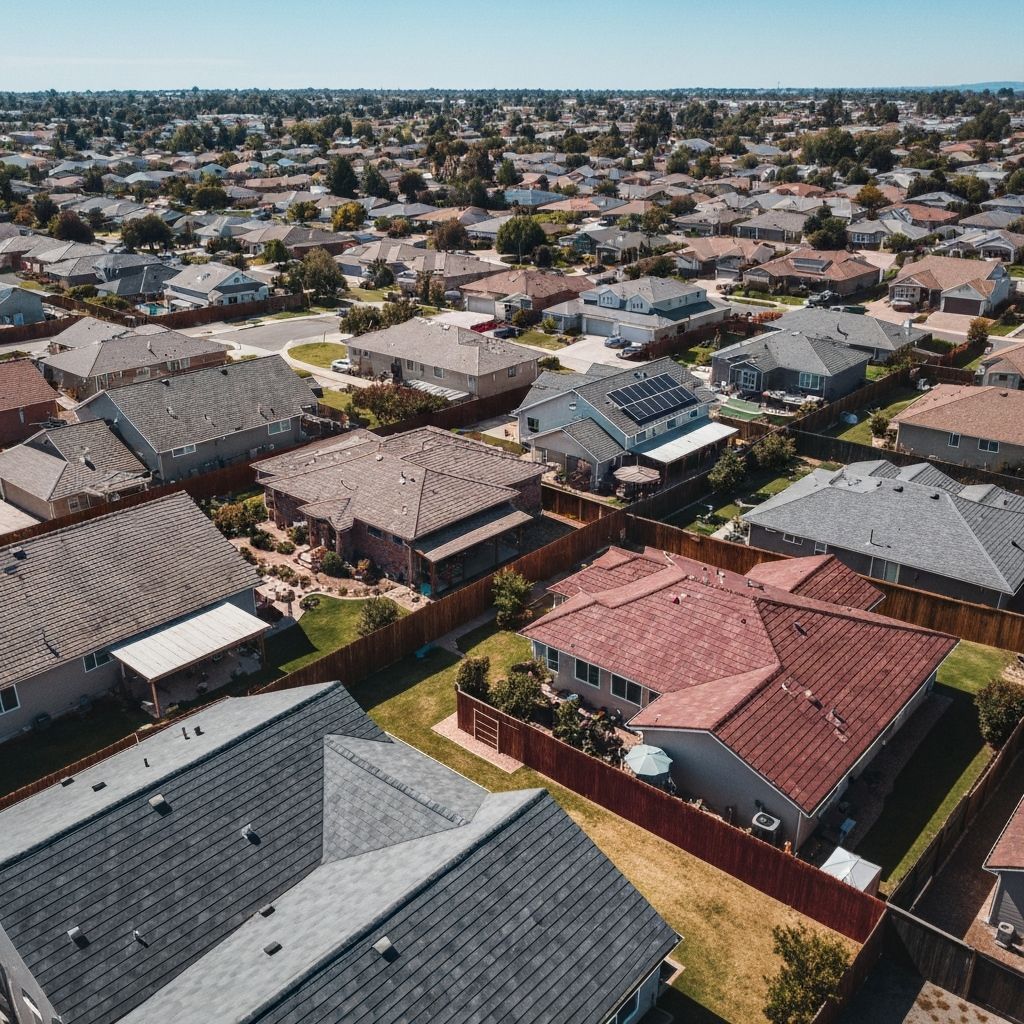
Average Roof Cost in the United States
The question "how much does a roof cost" is one of the most common inquiries homeowners make when they realize their roof needs replacement. The answer, like many home improvement questions, is that it depends on numerous factors. However, providing some general guidelines can help you develop a realistic budget for your roofing project. As of 2026, the average cost of a new roof in the United States ranges from $6,500 to $30,000, with most homeowners paying between $9,000 and $16,000 for a complete roof replacement using standard asphalt shingles.
These figures represent the total installed cost, including materials, labor, tear-off and disposal of the old roof, and necessary accessories like underlayment, flashing, and ventilation. The wide range reflects the significant variation in roof sizes, material choices, regional labor rates, and project complexity that exists across the country. A small ranch home in a rural area will cost significantly less to re-roof than a large colonial home in an expensive metropolitan market.
To get a rough estimate for your specific home, you can use the formula of cost per roofing square. A roofing square equals 100 square feet, and most roofs require between 15 and 40 squares of material. The cost per square varies by material type and typically ranges from $350 to $600 for asphalt shingles, $700 to $1,400 for metal roofing, and $1,000 to $3,500 for tile or slate.
Roof Cost by Material Type
The roofing material you choose has the most significant impact on your total project cost. Each material offers different advantages in terms of durability, appearance, maintenance requirements, and price point. Understanding the cost and characteristics of each option helps you make the best choice for your home and budget.
Three-tab asphalt shingles represent the most economical roofing option, with total installed costs of $3.50 to $5.50 per square foot. These shingles have a flat, uniform appearance and a typical lifespan of 15 to 25 years. For a 2,000-square-foot roof, the total cost with three-tab shingles would range from $7,000 to $11,000. While they offer the lowest upfront cost, their shorter lifespan means they may need to be replaced sooner than premium materials.
Architectural asphalt shingles, also known as dimensional or laminate shingles, cost between $4.50 and $7.00 per square foot installed. These shingles are thicker and heavier than three-tab varieties, with a textured appearance that mimics the look of wood shakes or natural slate. They offer improved durability with lifespans of 25 to 40 years, better wind resistance, and enhanced curb appeal. For a 2,000-square-foot roof, architectural shingles typically cost between $9,000 and $14,000.
Standing seam metal roofing costs between $8.00 and $16.00 per square foot installed. This premium material offers exceptional durability (40 to 70 years), excellent energy efficiency, and a sleek, modern appearance. Metal roofs are virtually maintenance-free and are resistant to fire, wind, and impact damage. A 2,000-square-foot standing seam metal roof typically costs between $16,000 and $32,000, though the long lifespan and low maintenance costs can make it a better value over time.
Clay and concrete tile roofing costs between $10.00 and $25.00 per square foot installed. These materials offer exceptional longevity (50 to 100 years or more), distinctive aesthetic appeal, and excellent fire resistance. However, tile is very heavy and may require structural reinforcement, which adds to the installation cost. A tile roof on a 2,000-square-foot home typically costs between $20,000 and $50,000.
Natural slate is the most expensive common roofing material, costing between $15.00 and $45.00 per square foot installed. Slate offers unmatched beauty and can last 100 to 200 years or more when properly installed and maintained. Its weight, specialized installation requirements, and high material cost make it a premium option typically reserved for high-end homes and historic properties. A slate roof on a 2,000-square-foot home can cost between $30,000 and $90,000.
How Roof Size Affects Cost
Roof size is the most straightforward factor affecting cost — larger roofs require more materials and more labor, resulting in higher total costs. However, calculating your roof's size isn't as simple as measuring your home's floor area. The roof's actual surface area is typically larger than the home's footprint due to overhangs, slopes, and complex geometries.
To estimate your roof's area, start with your home's footprint (length times width) and multiply by a slope factor. A roof with a standard 6/12 pitch (rising 6 inches for every 12 inches of horizontal run) has a slope factor of approximately 1.12, meaning the actual roof area is about 12 percent larger than the footprint. Steeper roofs have higher slope factors — a 12/12 pitch has a factor of 1.41, meaning the roof area is 41 percent larger than the footprint.
Don't forget to account for overhangs (the portion of the roof that extends beyond the exterior walls), dormers, and any other architectural features that add to the roof's total area. For the most accurate measurement, consider having a roofing contractor perform an on-site measurement or use satellite measurement tools that many modern roofing companies employ.
While larger roofs cost more in total, the cost per square foot may actually be slightly lower due to economies of scale. Larger projects allow contractors to be more efficient with their time, equipment, and material orders, which can translate to modest savings on a per-unit basis. However, very large or complex roofs may also require additional crew members and equipment, which can offset these savings.
Labor and Installation Costs
Labor costs typically represent 40 to 60 percent of the total roofing project cost and vary significantly based on location, contractor experience, project complexity, and market conditions. Understanding what drives labor costs helps you evaluate contractor bids more effectively and identify opportunities for savings.
Regional labor rate variations can cause significant differences in total project costs. In metropolitan areas with high costs of living, such as New York, San Francisco, or Boston, roofing labor rates are typically 30 to 50 percent higher than in rural areas or smaller cities. This regional variation is one reason why national average costs may not accurately reflect what you'll pay for your specific project.
Roof complexity is a major driver of labor costs. Simple gable roofs with few penetrations (chimneys, skylights, vents) and minimal valley or hip work are the quickest and least expensive to install. Complex roofs with multiple levels, steep pitches, numerous valleys and hips, and many penetrations require significantly more labor time and skill. Contractors typically charge a complexity premium of 10 to 50 percent for difficult installations.
Tear-off and disposal of the existing roof adds labor time and costs to the project. Removing a single layer of asphalt shingles typically costs $1 to $3 per square foot. If the existing roof has multiple layers — some older homes have two or even three layers of shingles stacked on top of each other — the tear-off cost increases accordingly. Disposal fees for roofing materials also vary by region, ranging from $50 to $150 per ton.
Hidden Costs and Unexpected Expenses
One of the most common sources of frustration in roofing projects is unexpected costs that weren't included in the initial estimate. Being aware of these potential expenses helps you budget more realistically and reduces the likelihood of unpleasant surprises during the project.
Roof deck repairs are perhaps the most common hidden cost. Once the old shingles are removed, the underlying plywood or oriented strand board (OSB) sheathing may reveal water damage, rot, or deterioration that wasn't visible before. Replacing damaged sheathing typically costs $50 to $100 per sheet (4 by 8 feet), and an average roof may need anywhere from a few sheets to several dozen, depending on the extent of the damage.
Fascia and soffit repairs may be necessary if these trim components have deteriorated due to water exposure or pest damage. Fascia boards (the vertical boards along the roof's edge) and soffits (the underside of the roof overhang) are often in poor condition by the time a roof needs replacement. Repairing or replacing these components adds $6 to $20 per linear foot to the project cost.
Code compliance upgrades may be required when replacing a roof, especially if your local building codes have been updated since the original roof was installed. Common code requirements include adding ice and water shield membrane along eaves and in valleys, upgrading ventilation to meet current standards, and installing drip edge flashing. These requirements add to the project cost but improve the roof's performance and longevity.
Gutter replacement or repair is often recommended during a roof replacement, as the gutters are typically removed temporarily during the project and may be in poor condition. New aluminum gutters and downspouts cost $5 to $15 per linear foot installed, and adding gutter guards can cost an additional $3 to $10 per linear foot.
How to Save Money on a New Roof
While a new roof is a significant investment, several strategies can help you reduce costs without compromising quality. These tips can save you hundreds or even thousands of dollars on your roofing project.
Getting multiple quotes is the most effective way to ensure you're getting a fair price. Contact at least three to five reputable contractors and request detailed written estimates that break down costs for materials, labor, tear-off, disposal, and any additional work. Comparing multiple bids helps you identify outliers and gives you leverage for negotiation.
Timing your project strategically can yield savings. Roofing demand peaks during late spring through early fall, and contractors often charge premium rates during this busy season. Scheduling your roof replacement during the off-season — late fall or early spring — may result in lower prices, as contractors are looking for work during their slower periods. Just make sure the weather conditions in your area are suitable for roofing during your chosen timeframe.
Choosing the right material for your budget and needs is essential. While premium materials like metal and slate offer superior longevity, architectural asphalt shingles provide an excellent balance of quality, appearance, and value for most homeowners. Don't overspend on premium materials if a high-quality asphalt shingle will meet your needs for the foreseeable future.
Taking advantage of available incentives can reduce your out-of-pocket costs. Some energy-efficient roofing materials, such as cool roofs and metal roofing, may qualify for federal tax credits or utility company rebates. Your homeowner's insurance may also cover some or all of the replacement cost if the existing roof was damaged by a covered event like hail or windstorm.
Consider whether an overlay is possible instead of a full tear-off. If your existing roof has only one layer of shingles in reasonable condition and local building codes permit it, installing new shingles over the existing layer can save $1,000 to $3,000 in tear-off and disposal costs. However, this approach isn't always recommended, as it adds weight to the roof structure and can trap moisture between layers.
When to Replace Your Roof
Knowing when to replace your roof can help you plan ahead and budget for the expense rather than being caught off guard by a sudden leak or failure. Several signs indicate that your roof is nearing the end of its useful life and should be evaluated for replacement.
Age is the most obvious indicator. If your asphalt shingle roof is 20 to 25 years old, it's approaching or has exceeded its expected lifespan. Metal roofs may last 40 to 70 years, and tile and slate roofs can last much longer. Knowing your roof's age and expected lifespan helps you anticipate when replacement will be needed.
Visible signs of deterioration include curling, cracking, or missing shingles; granule loss (visible as bare spots on shingles or granules accumulating in gutters); sagging areas that suggest structural issues; and daylight visible through the roof boards in the attic. Any of these signs should prompt a professional inspection to assess the roof's condition and remaining lifespan.
Frequent repairs are another sign that replacement may be more cost-effective than continued patching. If you're calling a roofer every year or two to fix leaks or replace damaged sections, the cumulative cost of repairs may approach or exceed the cost of a new roof, especially when you factor in the potential for water damage to your home's interior between repairs.
