
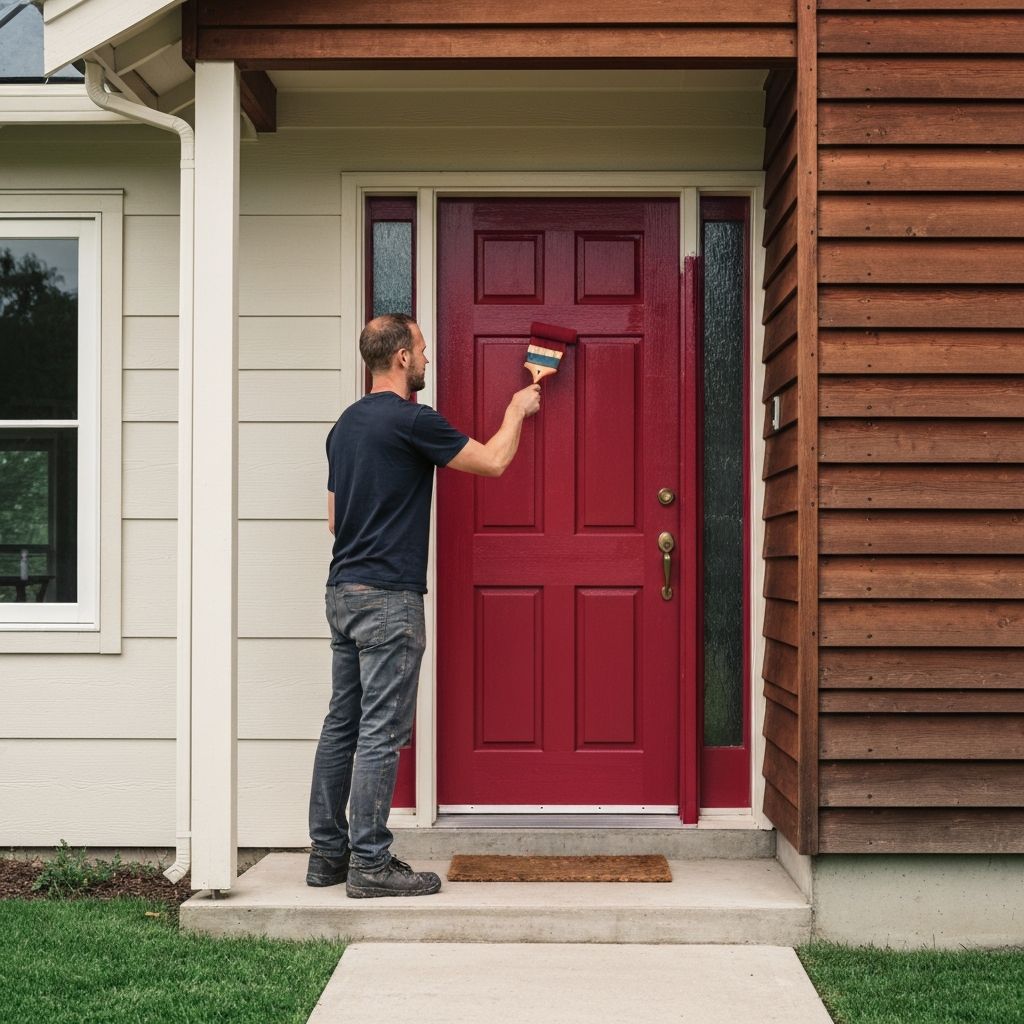
Why Paint Your Metal Front Door
Your front door is one of the first things visitors notice about your home, and a freshly painted metal door can dramatically improve your home's curb appeal. Over time, metal doors can develop scratches, chips, fading, and even rust spots that detract from their appearance. Painting your metal front door is a cost-effective way to refresh its look, protect it from the elements, and add a personal touch to your home's exterior.
Unlike wood doors, metal doors require specific preparation and painting techniques to ensure the paint adheres properly and provides a smooth, durable finish. Using the wrong type of paint or skipping important preparation steps can result in peeling, chipping, or an uneven finish that looks worse than the original surface. By following the proper process, you can achieve a professional-quality result that will last for years.
Choosing the Right Paint
Selecting the right paint for your metal front door is crucial for achieving a beautiful and long-lasting finish. There are two main types of paint suitable for metal doors: oil-based (alkyd) paint and acrylic latex paint. Both types can produce excellent results, but they have different characteristics.
Oil-based paint provides a very smooth, hard finish and is extremely durable. It is excellent at hiding imperfections and provides superior adhesion to metal surfaces. However, oil-based paint has a strong odor, requires mineral spirits for cleanup, and takes longer to dry than latex paint. It is also subject to yellowing over time, particularly on lighter colors.
Acrylic latex paint is easier to work with, dries faster, produces less odor, and cleans up with soap and water. Modern acrylic latex paints formulated for exterior use provide excellent durability, flexibility, and UV resistance. They are available in a wide range of colors and finishes, from flat to high gloss. For most homeowners, a high-quality acrylic latex paint designed for exterior use is the best choice for painting a metal front door.
Regardless of the type of paint you choose, use a semi-gloss or gloss finish for your front door. These finishes are more durable than flat or satin finishes and are easier to clean. They also provide an attractive sheen that draws attention to the door and enhances its architectural details.
Materials and Tools You Will Need
Before you begin painting, gather all the necessary materials and tools. You will need fine-grit sandpaper (220 grit), a degreasing cleaner or trisodium phosphate, painter's tape, drop cloths, a metal primer, your chosen paint, a high-quality paintbrush (2.5 to 3 inches), a small foam roller, a paint tray, and clean rags or tack cloths.
If your door has rust spots, you will also need a wire brush or rust-removing tool, rust converter or inhibitor, and possibly automotive body filler for any pitted areas. Having all materials ready before you start will make the process smoother and more efficient.
Preparing the Door Surface
Proper surface preparation is the most important step in painting a metal front door and will determine the quality and longevity of the finished result. Start by removing any hardware from the door, including the doorknob, deadbolt, knocker, house numbers, and any other fixtures. If the door has a storm door or screen door, remove it to provide full access to the front door.
If possible, remove the door from its hinges and lay it flat on sawhorses or a sturdy work surface. Painting a horizontal door is much easier than painting a vertical one because it eliminates the risk of drips and runs and allows the paint to self-level for a smoother finish. If removing the door is not practical, you can paint it in place, but take extra care to prevent drips.
Clean the door thoroughly with a degreasing cleaner or a solution of trisodium phosphate and water. This removes dirt, grease, oils, and any other contaminants that could prevent the paint from adhering properly. Rinse the door with clean water and allow it to dry completely.
Inspect the door for any rust spots, scratches, dents, or other damage. Remove rust using a wire brush, sandpaper, or a rust-removing tool, and treat the area with a rust converter to prevent further corrosion. Fill any dents or pitted areas with automotive body filler, allow it to dry, and sand it smooth.
Sand the entire door surface lightly with 220-grit sandpaper to create a slightly rough texture that will help the primer and paint adhere. Wipe away all sanding dust with a tack cloth or a damp rag.
Priming the Door
Applying a primer is essential when painting a metal door. Primer creates a bond between the metal surface and the paint, improves adhesion, and helps prevent rust. Use a primer specifically formulated for metal surfaces. If you are painting over bare metal or areas where rust was removed, a rust-inhibiting primer is highly recommended.
Apply the primer in thin, even coats using a brush, roller, or spray. Start with the recessed panel areas if your door has them, then move to the flat surfaces. Apply the primer in smooth, even strokes, avoiding heavy buildup that could lead to drips or texture. Allow the primer to dry completely according to the manufacturer's instructions, typically two to four hours.
Once the primer is dry, lightly sand the surface with fine-grit sandpaper to smooth out any brush marks or imperfections. Wipe away the sanding dust with a tack cloth before applying the paint.
Painting the Door
With the door properly prepared and primed, it is time to apply the paint. For the smoothest possible finish, use a combination of a high-quality brush for the recessed areas and edges, and a small foam roller for the flat panel surfaces. Foam rollers produce a smooth, stipple-free finish that mimics the look of a sprayed coating.
If your door has recessed panels, paint them first, starting with the inside edges of the panels and then the panel surfaces. Next, paint the horizontal rails, the vertical stiles, and finally the edges of the door. This sequence minimizes the risk of disturbing previously painted areas.
Apply the paint in thin, even coats, working in one direction to maintain a consistent finish. Avoid overloading the brush or roller with paint, as this increases the risk of drips and an uneven finish. Allow the first coat to dry completely before applying a second coat. Most metal doors require two to three coats of paint for full, even coverage.
Finishing Touches
After the final coat of paint has dried completely, which may take 24 to 48 hours depending on the paint type and environmental conditions, carefully remove any painter's tape. Reinstall the hardware, including the doorknob, deadbolt, and any other fixtures. If you removed the door from its hinges, rehang it carefully to avoid scratching the fresh paint.
Allow the paint to cure fully before subjecting the door to heavy use. While the paint may feel dry to the touch within a few hours, it typically takes two to four weeks to fully cure and reach maximum hardness and durability. During this curing period, avoid leaning objects against the door or allowing it to slam, as these actions can damage the fresh paint.
With proper preparation, quality materials, and careful application, your newly painted metal front door will look beautiful and provide lasting protection against the elements for years to come.
