
Why Proper Food Storage Matters
Proper food storage is one of the most important yet often overlooked aspects of kitchen management. According to the United States Department of Agriculture, Americans throw away approximately 30 to 40 percent of the food supply each year, and improper storage is a major contributing factor. Beyond the financial waste, incorrect food storage can lead to foodborne illness, with the CDC estimating that 48 million Americans get sick from contaminated food annually.
Understanding how to store different types of food correctly can extend their shelf life, maintain their nutritional value, preserve their flavor and texture, and most importantly, keep them safe to eat. Different foods have different storage requirements based on their moisture content, pH level, and susceptibility to bacterial growth. What works for one food may actually accelerate spoilage in another, which is why a one-size-fits-all approach to food storage simply does not work.
Refrigerator Organization and Temperature
Your refrigerator should be set to 40 degrees Fahrenheit or 4 degrees Celsius or below. This temperature slows bacterial growth and keeps perishable foods safe. Use an appliance thermometer to verify the temperature, as the built-in dial on most refrigerators is not always accurate. The freezer should be set to 0 degrees Fahrenheit or minus 18 degrees Celsius.
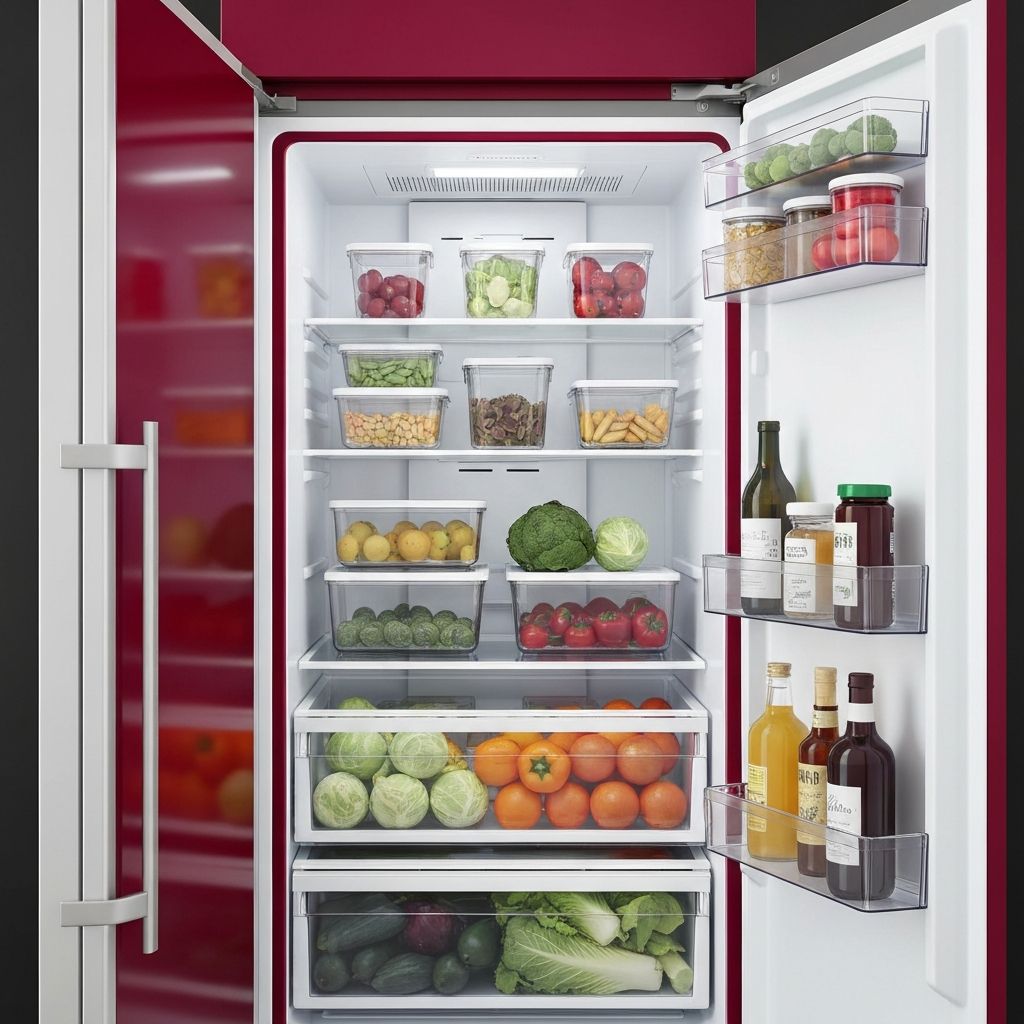
The placement of food within your refrigerator matters more than most people realize. The top shelves tend to be the most consistent in temperature and are ideal for ready-to-eat foods like leftovers, drinks, and deli meats. The middle shelves are good for dairy products, eggs, and other items that need consistent, moderate cold. The bottom shelf is typically the coldest part of the refrigerator and should be reserved for raw meat, poultry, and seafood, which also helps prevent cross-contamination if any juices drip.
The crisper drawers are designed to maintain specific humidity levels that are ideal for produce. Most refrigerators have two crisper drawers with adjustable humidity settings. Set one drawer to high humidity for vegetables and leafy greens, and the other to low humidity for fruits. This separation also prevents ethylene gas produced by fruits from accelerating the spoilage of vegetables.
Fruits and Vegetables: Room Temperature vs. Refrigerator
One of the most common food storage mistakes is putting all produce in the refrigerator. While many fruits and vegetables benefit from refrigeration, others actually lose flavor, texture, and nutritional value when stored in the cold. Knowing which produce belongs where can significantly extend its usable life.
Fruits and vegetables that should be stored at room temperature include tomatoes, which lose flavor and develop a mealy texture when refrigerated. Bananas should stay on the counter until ripe and can then be refrigerated if you want to slow further ripening. Avocados, peaches, plums, nectarines, and mangoes should ripen at room temperature and can be moved to the refrigerator once ripe. Potatoes, onions, and garlic should be stored in a cool, dark, well-ventilated space like a pantry, never in the refrigerator where cold temperatures convert their starches to sugars.
Produce that should be refrigerated includes leafy greens like lettuce, spinach, and kale, which should be stored unwashed in a container lined with paper towels to absorb excess moisture. Berries should be refrigerated and eaten within a few days, and washing them just before eating rather than before storing helps prevent mold growth. Carrots, celery, and bell peppers last longest when stored in the crisper drawer, and carrots can be stored in water to maintain crispness.
A critical rule for produce storage is to keep fruits and vegetables separate. Many fruits, including apples, bananas, avocados, and stone fruits, produce ethylene gas as they ripen. This gas can cause nearby vegetables to spoil faster. Storing them in separate crisper drawers or in different areas of the refrigerator prevents this cross-contamination.
Meat, Poultry, and Seafood Storage
Raw meat, poultry, and seafood are among the most perishable foods in your kitchen and require careful storage to prevent bacterial growth and cross-contamination. Fresh meat and poultry should be used within one to two days of purchase if stored in the refrigerator, or frozen immediately for longer storage. Ground meat is particularly perishable and should be used within one to two days or frozen.
Always store raw meat on the lowest shelf of the refrigerator, ideally on a plate or in a container to catch any dripping juices. This prevents raw meat juices from contaminating other foods, which is one of the most common causes of cross-contamination in home kitchens. Never place raw meat above ready-to-eat foods or fresh produce.
Fresh seafood is the most perishable protein and should ideally be consumed the same day it is purchased. If you must store it overnight, place it in the coldest part of the refrigerator and use it within one day. For longer storage, freeze seafood immediately in airtight packaging. Frozen fish maintains good quality for three to six months, while frozen shrimp can last up to one year.
When freezing meat, remove it from the original store packaging and rewrap it tightly in freezer-safe packaging such as heavy-duty aluminum foil, freezer paper, or freezer bags. Remove as much air as possible to prevent freezer burn, which occurs when air reaches the food's surface and causes dehydration and oxidation. Label all frozen items with the date to track storage time.
Dairy and Egg Storage
Dairy products require consistent refrigeration at 40 degrees Fahrenheit or below. Milk should be stored on an interior shelf of the refrigerator rather than in the door, where temperatures fluctuate every time the door is opened. Most people store milk in the door for convenience, but this practice can shorten its shelf life by several days.
Cheese storage depends on the type of cheese. Hard cheeses like Parmesan and cheddar can be wrapped in wax paper or parchment paper and stored in the refrigerator for several weeks. Soft cheeses like brie, mozzarella, and goat cheese should be consumed within a week of opening. Never wrap cheese in plastic wrap directly, as this can trap moisture and promote mold growth. Instead, use wax paper or cheese paper, then loosely cover with plastic wrap if needed.
Eggs should be stored in their original carton on a middle or lower shelf of the refrigerator, not in the egg holder that many refrigerator doors include. The carton protects eggs from absorbing odors from other foods and helps maintain consistent moisture levels. In the United States, where eggs are washed and sanitized before sale, refrigeration is essential. Properly stored eggs remain fresh for three to five weeks after purchase.
Pantry Staples and Dry Goods
Pantry staples like flour, sugar, rice, pasta, and canned goods should be stored in a cool, dry, dark place away from heat sources like the stove or dishwasher. Heat and humidity can accelerate the degradation of dry goods and provide conditions for pest infestations. Transfer opened dry goods to airtight containers to protect them from moisture, insects, and staleness.
Whole grain flours, nuts, and seeds contain oils that can go rancid at room temperature. Store these items in the refrigerator or freezer to extend their shelf life. Whole wheat flour lasts about one to three months in the pantry but up to six months in the refrigerator and one year in the freezer. Nuts and seeds follow a similar pattern and maintain their flavor and nutritional value much longer when stored in the cold.
Canned goods are among the most shelf-stable foods available and can last one to five years in the pantry if stored properly. However, once opened, canned food should be transferred to a separate container and refrigerated. Never store food in an open can, as the metal can react with the food and affect taste and safety. Consume opened canned goods within three to four days.
Common Food Storage Mistakes to Avoid
Even well-intentioned home cooks make food storage mistakes that can lead to premature spoilage or safety issues. One of the most common mistakes is washing produce before storing it. Moisture promotes mold and bacterial growth, so most produce should be stored unwashed and rinsed just before use. The exception is hearty greens like kale, which can be washed, dried thoroughly, and stored in paper towel-lined containers.
Another common mistake is storing bread in the refrigerator. While it might seem logical to refrigerate bread to keep it fresh, cold temperatures actually accelerate the staling process by causing the starch molecules in bread to crystallize faster. Store bread at room temperature in a bread box or paper bag for short-term storage, or freeze it for long-term storage.
Overcrowding the refrigerator is another mistake that can compromise food safety. Cold air needs to circulate freely to maintain consistent temperatures throughout the refrigerator. When the refrigerator is packed too tightly, some areas may not stay cold enough, creating warm spots where bacteria can grow. Aim to keep your refrigerator about two-thirds full for optimal air circulation.
By following these storage guidelines, you can significantly reduce food waste, save money, and keep your family safe from foodborne illness. Proper food storage is a simple but powerful habit that pays dividends every day.
