
Understanding the Recovery Diet After Wisdom Teeth Removal
Having your wisdom teeth removed is a significant oral surgery that requires careful dietary management during recovery. One of the most common questions patients have is when they can return to eating solid food. The answer is not a single date but rather a gradual progression from soft foods to solids that unfolds over the course of one to three weeks, depending on the complexity of the extraction and your individual healing rate.
Following the proper dietary guidelines after wisdom teeth removal is not just about comfort. It is about protecting the surgical sites, preventing complications like dry socket, supporting the healing process, and ensuring adequate nutrition during recovery. Rushing back to solid foods too quickly can dislodge blood clots, tear stitches, introduce food particles into the extraction sites, and cause infections that can significantly extend your recovery time.
Days 1 to 2: Liquids and Very Soft Foods Only
The first 48 hours after wisdom teeth removal are the most critical for healing, and your diet should be limited to liquids and very soft foods that require no chewing whatsoever. During this period, blood clots are forming in the extraction sites, and any mechanical disruption from chewing or the introduction of food particles can prevent proper clot formation and lead to dry socket.
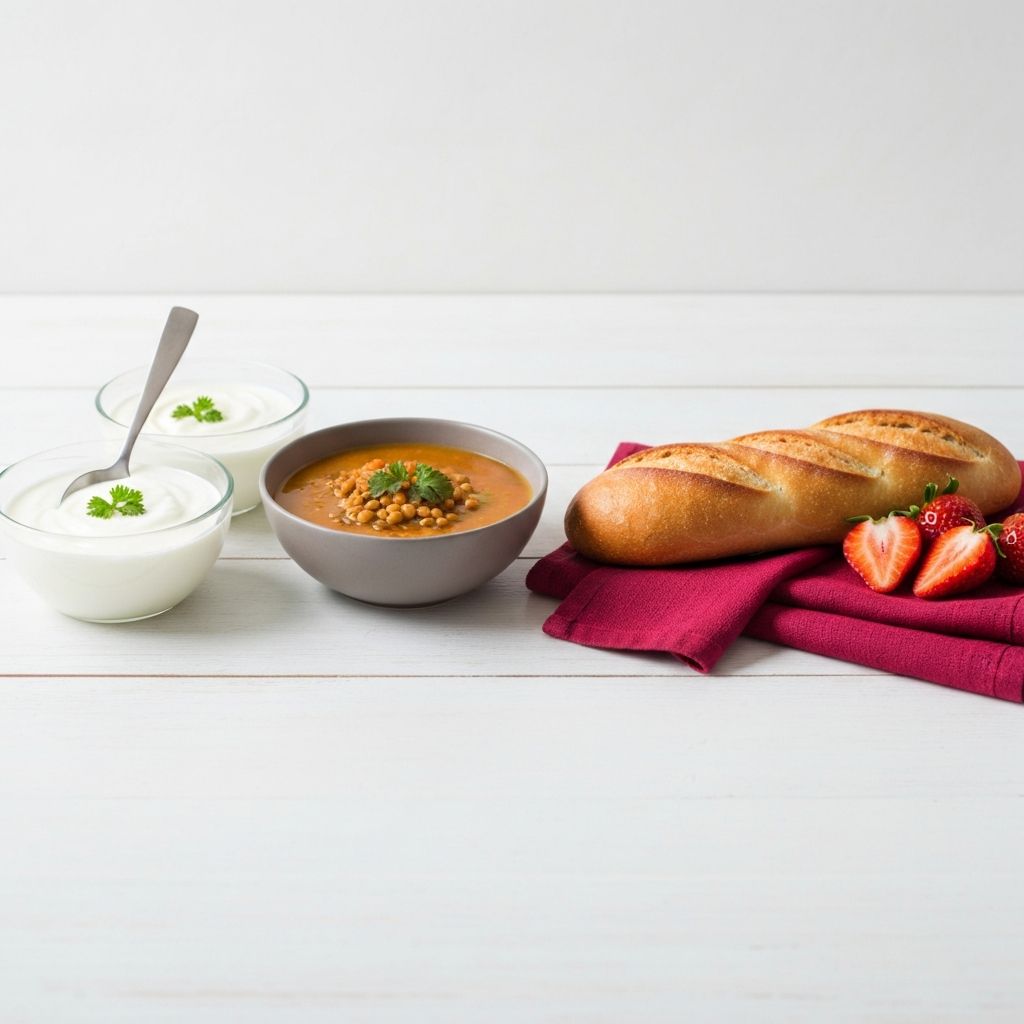
Appropriate foods during this phase include smoothies made without using a straw, yogurt, applesauce, pudding, gelatin, ice cream, milkshakes again without a straw, and lukewarm broth. The emphasis on avoiding straws is critical because the suction created by drinking through a straw can dislodge blood clots from the extraction sites. Similarly, avoid spitting forcefully, as this creates the same suction effect.
Keep foods and beverages at cool or lukewarm temperatures during the first 24 hours. Very hot foods can dissolve blood clots and increase bleeding, while ice-cold items can help reduce swelling and provide pain relief. Many patients find that frozen treats like ice cream, frozen yogurt, and fruit popsicles are both soothing and satisfying during this initial period.
Nutrition is important even during this restrictive phase. Protein is essential for wound healing, so include protein-rich options like Greek yogurt, protein smoothies with soft fruits, and broth-based soups. If you struggle to eat enough during the first couple of days, meal replacement shakes can help ensure you are getting adequate calories and nutrients.
Days 3 to 5: Soft Foods That Require Minimal Chewing
By the third day after surgery, most patients can begin introducing slightly more substantial soft foods that require minimal chewing. The extraction sites are beginning to heal, swelling is typically at its peak and starting to subside, and you may be starting to feel more like yourself. However, the healing tissue is still fragile, and you should continue to avoid anything hard, crunchy, or difficult to chew.
Good food choices during this phase include scrambled eggs, which are an excellent source of protein and very easy to eat. Mashed potatoes, either white or sweet, provide comforting carbohydrates and can be enriched with butter or cream for extra calories. Oatmeal, prepared slightly thinner than usual, offers fiber and sustained energy. Soft pasta with a smooth sauce, like macaroni and cheese or pasta with butter and Parmesan, is another satisfying option.
Soup becomes a staple during this phase. Cream-based soups like tomato bisque, broccoli cheddar, and cream of chicken are nourishing and easy to eat. You can also try pureed soups made from roasted vegetables like butternut squash, cauliflower, or sweet potato. Make sure soups are warm rather than hot, and avoid soups with chunks of vegetables, meat, or noodles that might require chewing or get trapped in the extraction sites.
Bananas, avocado, and other naturally soft fruits are good choices for adding vitamins and healthy fats to your diet. Hummus, refried beans, and smooth nut butters thinned with milk are protein-rich options that do not require chewing. Cottage cheese and ricotta cheese are soft, high-protein foods that many patients find easy and pleasant to eat during this phase.
Days 5 to 7: Gradually Increasing Texture
During the latter part of the first week, most patients are ready to begin eating foods with slightly more texture. You should still avoid anything truly hard, crunchy, or chewy, but you can start to experiment with foods that require gentle chewing. The key is to listen to your body and back off if anything causes pain or discomfort at the extraction sites.
Soft-cooked vegetables like steamed broccoli, roasted sweet potato, and sauteed zucchini can be introduced during this phase. Cook vegetables until they are very tender and can be easily mashed with a fork. Soft-cooked fish like salmon, tilapia, or cod is an excellent protein source that flakes apart easily and requires minimal chewing. Soft bread, pancakes, and French toast are carbohydrate options that most patients can handle by the end of the first week.
Ground meat, cooked until very tender in sauces or soups, can be reintroduced for patients who are healing well. Shepherd's pie, for example, combines soft ground meat with creamy mashed potatoes for a satisfying and nourishing meal. Soft-cooked rice and risotto are also appropriate during this phase, though you should rinse gently with warm salt water after eating to prevent rice grains from becoming trapped in the extraction sites.
Week 2: Returning to Most Normal Foods
By the second week after wisdom teeth removal, most patients have healed enough to return to the majority of their normal diet. The surface tissue over the extraction sites has typically closed, and the risk of dry socket has passed. However, the healing tissue is still maturing, and some caution is still warranted with the hardest and crunchiest foods.
During week two, you can typically resume eating most cooked meats, salads with soft ingredients, sandwiches with soft bread, cooked grains, and most fruits and vegetables. You may still want to avoid very hard foods like raw carrots, hard pretzels, popcorn, and nuts, as these can irritate the still-sensitive extraction sites or get lodged in the healing sockets.
Pizza, burgers, and other foods that require significant biting and chewing can usually be reintroduced during the second week, though you may want to cut them into smaller pieces rather than biting into them directly. This reduces the strain on the extraction sites and makes eating more comfortable. Continue to chew primarily on the side of your mouth away from the extraction sites when possible.
Week 3 and Beyond: Full Recovery
By the third week after surgery, most patients can return to their completely normal diet without restrictions. The soft tissue has healed over the extraction sites, and the sockets are filling in with new bone growth that will continue for several months. At this point, you should be able to eat hard, crunchy, and chewy foods without any discomfort or concern.
If you had a particularly complex extraction, such as impacted wisdom teeth that required bone removal, your recovery may take longer. In these cases, your oral surgeon may recommend continuing dietary precautions for an additional week or two. Follow your surgeon's specific guidelines, as they are based on the details of your individual procedure.
Some patients notice that the extraction sites feel slightly different when eating for several months after surgery. You may feel a slight indentation where the tooth was removed or notice that food occasionally collects in the area. This is normal and will resolve as the bone fully remodels. Use a gentle water irrigator or rinse with warm salt water after meals to keep the area clean until it has fully healed.
Foods to Avoid Throughout Recovery
Regardless of where you are in your recovery timeline, certain foods should be avoided until your oral surgeon clears you. Popcorn is one of the worst offenders because the hulls can become trapped in healing sockets and are extremely difficult to remove. Nuts and seeds pose a similar risk and should be avoided for at least two weeks.
Chewy and sticky foods like caramels, taffy, gummy candies, and dried fruit can pull on stitches, dislodge blood clots, and adhere to surgical sites. Chips, crackers, and hard bread or toast have sharp edges that can scratch or puncture the healing tissue. Extremely spicy or acidic foods can irritate the extraction sites and should be reintroduced gradually as discussed in our related article on spicy food after wisdom teeth removal.
Alcohol should be avoided for at least 48 hours after surgery, and longer if you are taking prescription pain medication. Alcohol can interact with medications, thin the blood and increase bleeding risk, and dehydrate the body at a time when hydration is critical for healing. Smoking and using tobacco products should be avoided for at least 72 hours, as they significantly increase the risk of dry socket and impair wound healing.
Tips for a Smooth Dietary Recovery
Preparation is key to a comfortable recovery diet. Before your surgery, stock up on soft foods so you do not have to shop while recovering. Prepare and freeze soups, smoothie packs, and other soft foods in advance so you have easy options available when you are not feeling your best. Having a variety of options prevents food fatigue, which is a real concern when your diet is restricted for an extended period.
Stay hydrated by drinking plenty of water throughout your recovery. Adequate hydration supports the healing process and helps prevent complications. If plain water becomes boring, try flavored water, herbal tea at a comfortable temperature, or diluted fruit juice. Avoid carbonated beverages for the first few days, as the bubbles can disturb blood clots.
Finally, remember that everyone heals at a different rate. Your friend may have been eating normally three days after their surgery, but your recovery might take longer. Do not rush the process or feel pressured to return to solid foods before you are ready. Your body will tell you when it is ready for more challenging foods through decreased pain, reduced swelling, and an increased desire to eat. Trust the process, follow your oral surgeon's guidelines, and you will be back to your normal diet before you know it.
