
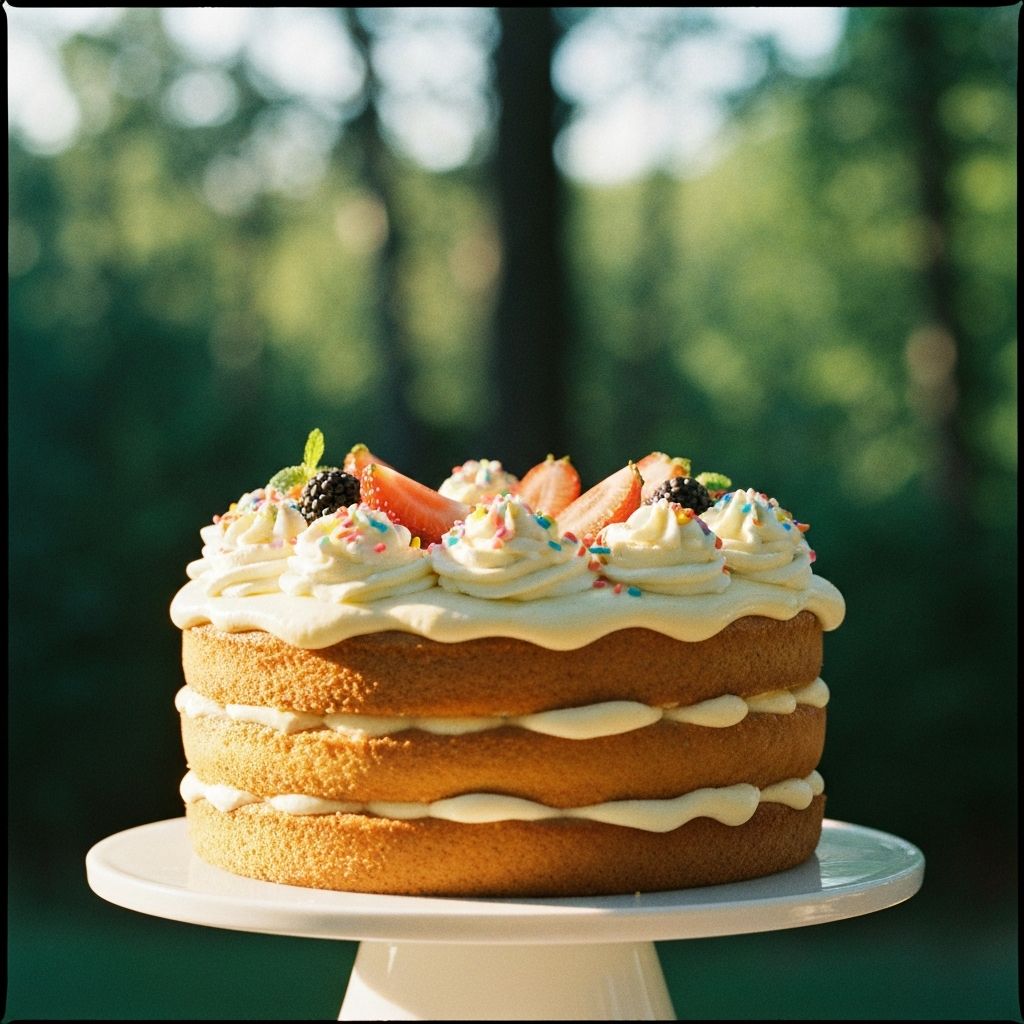
What Is an Ice Cream Cake and Why Make One at Home?
An ice cream cake is a beloved frozen dessert that combines layers of ice cream with cake, cookies, brownies, or other baked elements to create a show-stopping treat that is perfect for birthdays, holidays, and special celebrations. While ice cream cakes are available at many bakeries and ice cream shops, making one at home offers several significant advantages. First, you have complete control over the flavors, allowing you to create custom combinations that cater to your personal preferences or those of the guest of honor. Second, homemade ice cream cakes are often more generous in their proportions and use higher-quality ingredients than store-bought versions.
Making an ice cream cake at home is also surprisingly simple once you understand the basic process. Despite their impressive appearance, ice cream cakes require very little actual baking and rely more on assembly, patience, and freezer time than on advanced culinary skills. Whether you are an experienced baker looking for a new project or a beginner who wants to impress at a party, an ice cream cake is an achievable and rewarding dessert to master. In this comprehensive guide, we will walk you through every step of the process, from selecting your ingredients and equipment to assembling, decorating, and serving a beautiful ice cream cake that will delight your guests.
Essential Equipment and Ingredients
Before you begin making your ice cream cake, it is important to gather all the necessary equipment and ingredients. For the pan, a 9-inch springform pan is the most popular choice because the removable sides make it easy to unmold the finished cake. However, you can also use a standard 9-inch round cake pan or even a loaf pan lined with plastic wrap for easy removal. A 9x13-inch baking pan works well for a sheet-style ice cream cake that can serve a larger crowd. Additionally, you will need a good offset spatula for spreading layers, plastic wrap or parchment paper for lining the pan, and plenty of freezer space.
For the ingredients, you will need approximately one and a half to two quarts of ice cream for a standard round cake, which can be a single flavor or multiple flavors for layered designs. You will also need a cake or cookie layer, which can be homemade or store-bought. Popular options include chocolate or vanilla cake layers, brownie layers, crushed Oreo cookies mixed with melted butter, or crushed graham crackers with butter. For the fudge or sauce layer, hot fudge sauce, caramel sauce, or fruit preserves add flavor and visual appeal between the ice cream layers. Finally, you will need whipped cream or whipped topping for decorating, along with any additional toppings like sprinkles, chocolate chips, chopped nuts, or candy pieces.
Preparing the Cake or Cookie Layer
The cake or cookie layer provides structure, texture contrast, and additional flavor to your ice cream cake. For a traditional cake layer, bake a thin layer of your favorite cake recipe or cake mix in the same size pan you will use for the ice cream cake. The cake layer should be about half an inch to three-quarters of an inch thick, so you do not need to use a full batch of batter. Chocolate cake is the most classic choice for an ice cream cake, but vanilla, red velvet, funfetti, or any other flavor will work beautifully. Allow the cake layer to cool completely before assembling.
For a cookie crust, crush about 25 to 30 Oreo cookies, including the cream filling, in a food processor or by placing them in a zip-top bag and crushing them with a rolling pin. Mix the crushed cookies with three to four tablespoons of melted butter until the mixture resembles wet sand. Press this mixture firmly and evenly into the bottom of your prepared pan to form a compact crust. Freeze the crust for at least 15 minutes to firm it up before adding the ice cream layers. Graham cracker crusts can be prepared similarly, using about one and a half cups of crushed graham crackers mixed with one-third cup of sugar and six tablespoons of melted butter. The cookie or cracker crust option is quicker and easier than baking a cake layer and provides a delicious crunchy contrast to the smooth ice cream.
Layering the Ice Cream
The layering process is the heart of ice cream cake assembly, and the key to success is working with softened ice cream that is spreadable but not melted. Remove your first flavor of ice cream from the freezer and let it sit at room temperature for five to ten minutes until it is soft enough to spread easily with a spatula. You can also soften ice cream quickly by placing it in the microwave for 15 to 20 seconds, though be careful not to melt it completely. Scoop the softened ice cream onto the prepared cake or cookie layer and use an offset spatula to spread it into an even layer about one to one and a half inches thick.
Once the first ice cream layer is smooth and even, place the pan in the freezer for at least 30 minutes to firm up the layer before adding any additional components. This freezing step between layers is critical for maintaining clean, distinct layers in the finished cake. After the first ice cream layer has firmed up, add your fudge or sauce layer by drizzling it evenly over the frozen ice cream surface. You can also add a layer of crushed cookies, chopped nuts, or candy at this stage for additional texture. Then add the second flavor of ice cream on top, spreading it evenly as before. Return the pan to the freezer for another 30 minutes to firm up, then add any additional layers as desired.
Assembling and Freezing the Complete Cake
Once all your layers are in place, cover the top of the cake with plastic wrap and freeze the entire assembly for at least four to six hours, or preferably overnight. This extended freezing time is essential for the cake to set properly and for all the layers to freeze solidly together. If you are using a springform pan, resist the temptation to remove the sides of the pan before the cake is fully frozen, as the ice cream needs to be very firm to hold its shape. A fully frozen ice cream cake can be stored in the freezer for up to two weeks before serving, though it is best enjoyed within the first week for optimal taste and texture.
When you are ready to unmold the cake, remove it from the freezer and run a warm, damp kitchen towel around the outside of the pan for about 30 seconds to loosen the edges. If you are using a springform pan, release the sides carefully. If you used a regular cake pan lined with plastic wrap, you should be able to lift the cake out using the overhanging edges of the wrap. Place the unmolded cake on your serving plate or cake board and return it to the freezer for 15 to 20 minutes to firm up any areas that may have softened during unmolding. This step ensures that the cake is ready for decorating without any structural issues.
Decorating Your Ice Cream Cake
Decorating is where you can let your creativity shine and transform your ice cream cake from a simple layered dessert into a stunning centerpiece. The most common and easiest decoration is a coating of whipped cream applied to the top and sides of the cake. Use stabilized whipped cream, which holds its shape better in freezing temperatures, by adding a tablespoon of powdered sugar and a teaspoon of vanilla extract per cup of heavy cream while whipping. Alternatively, store-bought whipped topping like Cool Whip works well and is more convenient.
Spread the whipped cream over the top and sides of the cake using an offset spatula, creating smooth or textured finishes as desired. You can pipe decorative borders, rosettes, or stars around the edges using a piping bag fitted with a large star tip. For toppings, consider drizzling chocolate or caramel sauce over the top, adding sprinkles, mini chocolate chips, crushed cookies, chopped candy bars, fresh fruit, or maraschino cherries. If you want to add a message or name, use a piping bag with melted chocolate or colored icing. After decorating, return the cake to the freezer for at least one hour to set the decorations before serving.
Serving Tips and Flavor Combination Ideas
Serving an ice cream cake requires a bit of planning to ensure clean slices and an enjoyable eating experience for your guests. Remove the cake from the freezer about ten to fifteen minutes before serving to allow it to soften slightly. This brief tempering period makes it much easier to cut through the layers without cracking or crumbling. Use a large, sharp knife that has been dipped in warm water and wiped dry between each cut for the cleanest slices. Serrated knives also work well for cutting through frozen layers.
When it comes to flavor combinations, the possibilities are truly endless. Classic pairings include chocolate cake with vanilla and chocolate ice cream layers separated by hot fudge sauce. For a cookies and cream theme, use an Oreo crust with cookies and cream ice cream and vanilla ice cream layers with crushed Oreos between them. A strawberry shortcake version features vanilla cake with strawberry and vanilla ice cream layers with fresh strawberry preserves. For a more sophisticated flavor, try coffee ice cream with chocolate cake and a layer of salted caramel sauce. Mint chocolate chip ice cream with a brownie layer and hot fudge is another crowd-pleasing combination. For a tropical twist, use mango and coconut ice cream with a graham cracker crust and passion fruit sauce. The beauty of making your own ice cream cake is that you can customize every element to create the perfect dessert for any occasion and any taste preference.
