
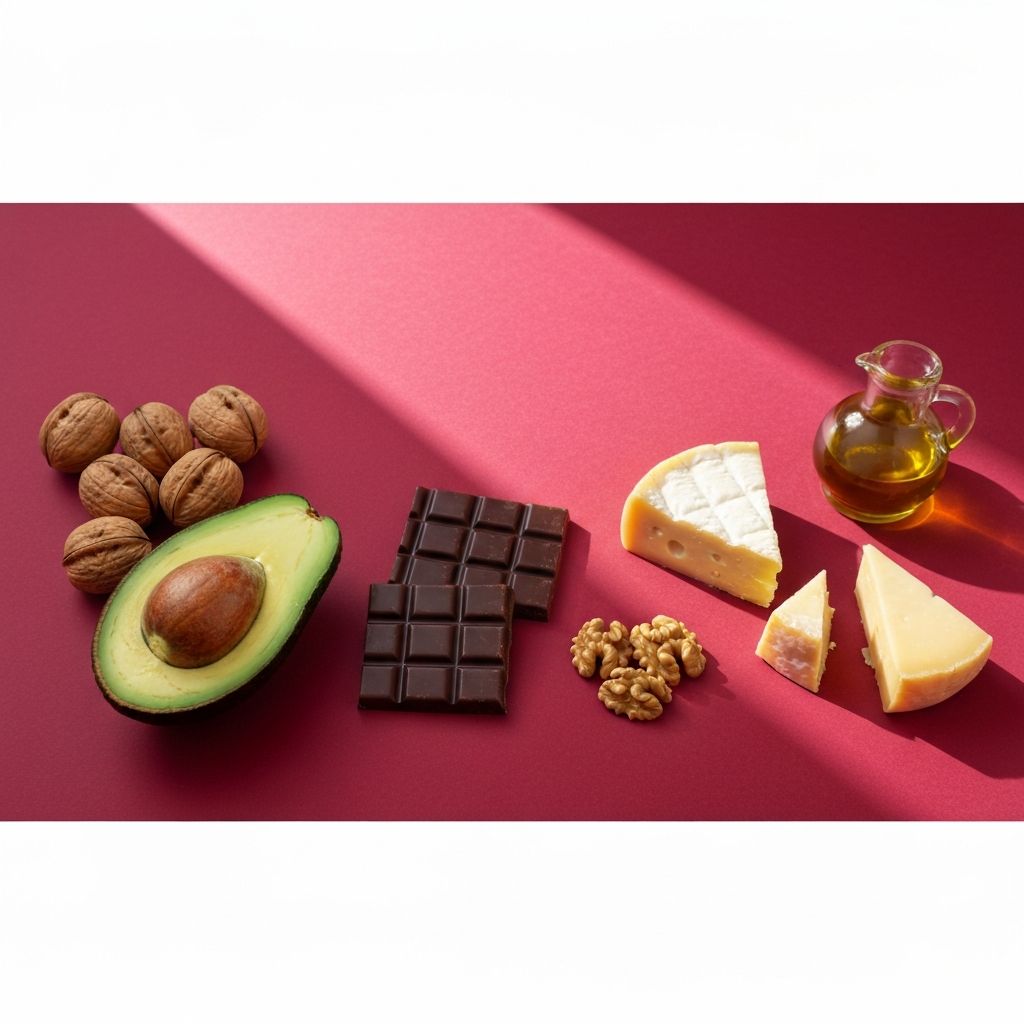
What Is the Most Calorie Dense Food? A Comprehensive Look at High-Energy Foods
Calorie density refers to the number of calories packed into a given weight or volume of food. Understanding calorie density is valuable whether you are trying to gain weight, fuel athletic performance, plan meals for outdoor adventures, or simply make informed dietary choices. Some foods deliver an extraordinary amount of energy in a small package, while others provide very few calories relative to their size.
The most calorie-dense food available is pure fat in the form of oils, which contain approximately 9 calories per gram or about 120 calories per tablespoon. But beyond pure oils, there is a fascinating range of whole foods and prepared products that pack a significant caloric punch.
Pure Fats and Oils: The Calorie Kings
At the top of the calorie density chart sit pure fats and oils. Olive oil, coconut oil, vegetable oil, and butter all deliver around 100 to 120 calories per tablespoon. This makes them the most calorie-dense category of food available. Fat contains 9 calories per gram, compared to 4 calories per gram for both protein and carbohydrates, which is why fatty foods tend to be more calorie-dense.
Among cooking oils, there is very little caloric variation. Whether you choose extra virgin olive oil, avocado oil, sesame oil, or canola oil, you will get roughly the same caloric density. The differences between these oils lie in their flavor profiles, smoke points, and nutritional benefits such as fatty acid composition and antioxidant content rather than in their calorie counts.
Butter contains slightly fewer calories per gram than pure oils because it contains some water and milk solids in addition to fat. One tablespoon of butter provides about 100 calories, making it only marginally less calorie-dense than pure oils.
Nuts and Nut Butters
Nuts are among the most calorie-dense whole foods available. Macadamia nuts top the list at approximately 204 calories per ounce, followed closely by pecans at about 196 calories per ounce and Brazil nuts at around 186 calories per ounce. Walnuts, almonds, cashews, and pistachios all provide between 155 and 185 calories per ounce.
The high calorie density of nuts comes from their substantial fat content, which typically makes up 70 to 80 percent of their total calories. However, the fats in nuts are predominantly heart-healthy monounsaturated and polyunsaturated fats, making them a nutritious choice despite their high calorie count.
Nut butters concentrate the calories of nuts into an even more energy-dense form. Two tablespoons of peanut butter contain about 190 calories, while almond butter provides approximately 200 calories for the same serving size. These spreads are popular among hikers, athletes, and anyone looking to increase their caloric intake efficiently.
Dark Chocolate
Dark chocolate is one of the most calorie-dense treats available, with a typical 100-gram bar containing between 500 and 600 calories depending on the cocoa percentage and added ingredients. A single ounce of dark chocolate provides about 155 to 170 calories, making it comparable to nuts in calorie density.
The calorie density of dark chocolate comes from its combination of cocoa butter, which is a pure fat, and sugar. Higher cocoa percentage chocolates tend to have slightly more calories due to increased fat content, even though they contain less sugar. Dark chocolate also provides beneficial compounds like flavonoids, iron, and magnesium, making it a more nutritious indulgence than many other sweets.
Cheese
Cheese is another highly calorie-dense food, with most varieties providing between 100 and 120 calories per ounce. Hard, aged cheeses like Parmesan, Gruyere, and aged Cheddar tend to be the most calorie-dense because their lower moisture content concentrates the calories. A single ounce of Parmesan cheese contains about 110 calories packed into a relatively small amount of food.
Cream cheese, despite being softer and having more moisture, is also quite calorie-dense at about 100 calories per ounce. Meanwhile, softer cheeses like Brie and Camembert provide around 95 calories per ounce. The calorie density of cheese comes primarily from its fat and protein content, and it also provides significant amounts of calcium, vitamin A, and vitamin B12.
Dried Fruits
Dried fruits are significantly more calorie-dense than their fresh counterparts because the water has been removed, concentrating the sugars and calories into a much smaller volume. Dates are among the most calorie-dense dried fruits, providing about 282 calories per 100 grams. Raisins offer approximately 300 calories per 100 grams, while dried figs provide about 249 calories per 100 grams.
The calorie density of dried fruits makes them excellent portable energy sources for hiking, traveling, or any situation where you need compact nutrition. However, their concentrated sugar content means they can be easy to overeat if you are watching your calorie intake.
Seeds
Seeds are nutritional powerhouses that rival nuts in calorie density. Sunflower seeds provide about 164 calories per ounce, while pumpkin seeds offer approximately 153 calories per ounce. Chia seeds, despite their tiny size, pack about 137 calories per ounce and also provide fiber, omega-3 fatty acids, and protein.
Flaxseeds are another calorie-dense seed option at about 150 calories per ounce. Hemp seeds provide approximately 166 calories per ounce along with all nine essential amino acids, making them a complete protein source. Seeds are versatile and can be added to salads, smoothies, yogurt, and baked goods to boost caloric and nutritional content.
Avocados
Avocados are unique among fruits for their high fat content, which makes them significantly more calorie-dense than most other fruits. A medium avocado contains about 234 calories, with approximately 77 percent of those calories coming from fat, primarily heart-healthy monounsaturated oleic acid.
While avocados are calorie-dense compared to other fruits, they are relatively moderate in calorie density compared to nuts and oils. Their combination of healthy fats, fiber, potassium, and various vitamins makes them one of the most nutritious calorie-dense foods available.
When Are Calorie-Dense Foods Beneficial
Calorie-dense foods serve important purposes in many dietary contexts. Athletes and highly active individuals often need calorie-dense foods to meet their elevated energy requirements without having to eat enormous volumes of food. Endurance athletes, in particular, rely on energy-dense snacks like nuts, nut butters, and dried fruits to fuel long training sessions and competitions.
People who are underweight or struggling to gain weight can benefit significantly from incorporating calorie-dense foods into their diet. Medical conditions, high metabolisms, and certain medications can make it difficult to consume enough calories from low-density foods alone. In these situations, foods like nuts, cheese, avocados, and oils provide essential calories without requiring uncomfortably large meals.
Calorie-dense foods are also practical for situations where food storage and portability are concerns. Hikers, campers, and travelers often choose calorie-dense foods because they provide maximum energy in minimum weight and volume. Trail mix, nut butters, chocolate, and dried fruits are staples in outdoor adventure nutrition for this very reason.
Conclusion
The most calorie-dense foods are pure fats and oils, followed by nuts, seeds, cheese, dark chocolate, and dried fruits. Understanding calorie density helps you make informed dietary choices whether your goal is weight gain, athletic performance, meal planning, or simply understanding what you eat. By choosing calorie-dense foods wisely, you can meet your energy needs efficiently while also benefiting from the valuable nutrients these foods provide.
