
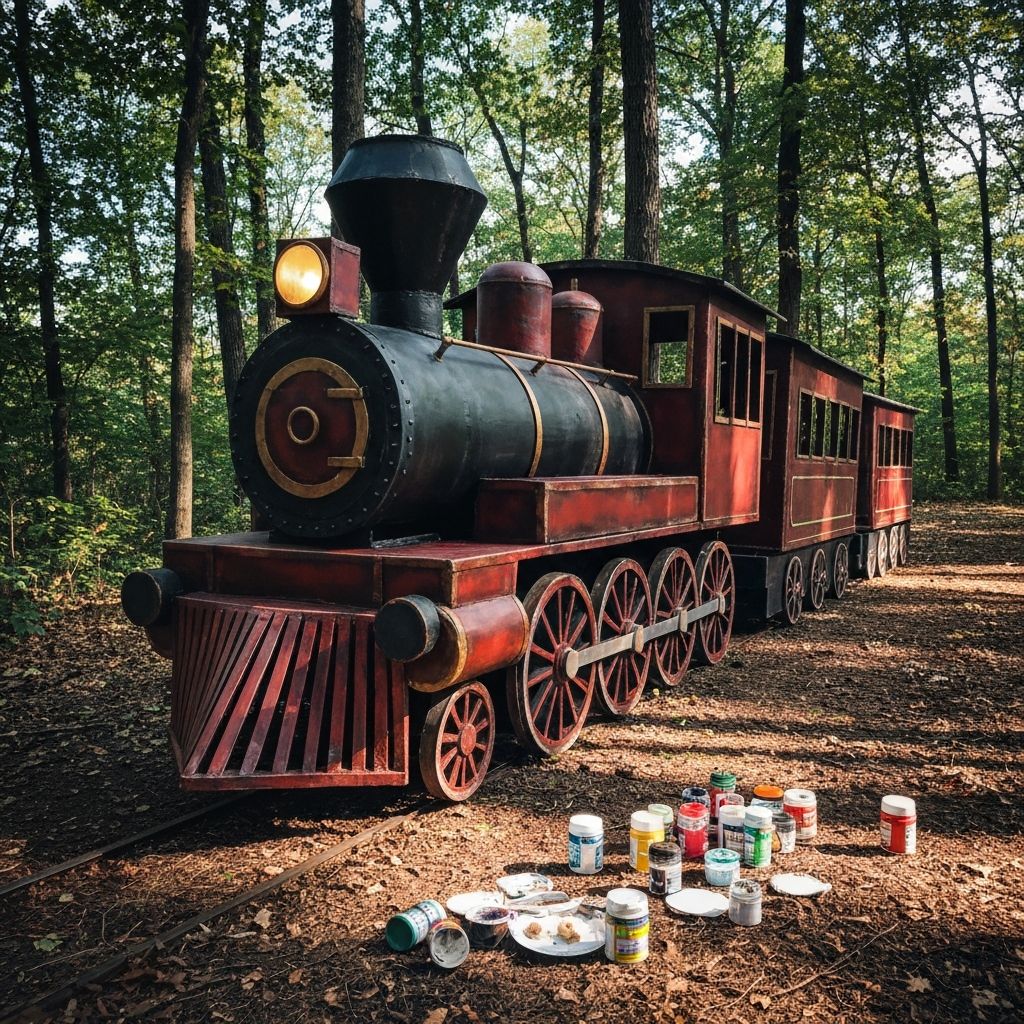
Why Choose a Train Costume?
A train costume is one of the most creative and eye-catching outfit choices for Halloween, costume parties, school plays, or themed events. Whether you are dressing up a child who loves trains or an adult who wants to stand out at a costume party, a train costume offers endless possibilities for creativity and personalization. From classic steam locomotives to modern bullet trains, the range of designs ensures that there is a perfect train costume for every occasion and skill level.
Train costumes have been popular for decades, and their appeal shows no signs of diminishing. Part of the charm lies in the universal fascination with trains. These magnificent machines have captured the human imagination since the early 19th century, and they continue to evoke feelings of adventure, power, and nostalgia. Wearing a train costume allows you to embody this fascination and share it with everyone around you.
Another reason train costumes are so popular is their versatility. They can be as simple or as elaborate as you want them to be. A basic train costume might consist of a decorated cardboard box worn around the waist, while a more advanced version might feature working lights, sound effects, and realistic detailing. This flexibility makes train costumes accessible to crafters of all skill levels and budgets.
Materials You Will Need
The materials required for a train costume depend on the level of complexity you are aiming for. For a basic costume, you will need cardboard boxes, paint, scissors or a craft knife, tape or hot glue, and some elastic or suspenders to hold the costume in place. These materials are inexpensive and readily available, making them ideal for last-minute costume projects.
For a more elaborate costume, you might consider using foam board, which is lighter and easier to shape than cardboard. PVC pipe can be used to create a smokestack or other structural elements. Acrylic paint provides a more durable and vibrant finish than basic craft paint, and LED lights can add a realistic glow to headlights and windows.
Fabric is another important material to consider, especially if you want your costume to be comfortable for extended wear. A fabric covering can make the costume look more polished and feel less restrictive than bare cardboard. Cotton and polyester blends are good choices because they are lightweight, easy to work with, and available in a wide range of colors.
Additional accessories might include wheels made from paper plates or foam, a bell or whistle for sound effects, and printed decals or stencils for adding realistic details like number plates, company logos, and safety markings.
Step-by-Step Construction Guide
Building a train costume is a fun project that can be completed in a weekend. The following guide outlines the basic steps for creating a wearable locomotive costume using cardboard and common craft supplies.
Start by selecting a cardboard box that fits comfortably around your waist or your child's waist. The box should be large enough to provide adequate coverage but not so large that it restricts movement. Cut out the bottom of the box and try it on to ensure a good fit. Mark the positions where you will attach the shoulder straps.
Next, shape the front of the box to create the locomotive's nose. You can do this by adding a triangular extension made from additional cardboard, or by cutting and folding the existing box flaps. The exact shape will depend on the type of train you are replicating. Steam locomotives typically have a rounded front with a cowcatcher, while diesel engines have a more angular profile.
Create the smokestack by rolling a piece of cardboard into a cylinder and attaching it to the top of the costume. You can add a cone-shaped top to make it look more realistic. If you want to add a smoke effect, you can stuff the top of the cylinder with cotton batting or polyester fiberfill to simulate steam.
Paint the entire costume in your chosen color scheme. Classic train colors include black, red, green, and blue. Apply a base coat first, allow it to dry completely, and then add details like windows, doors, rivets, and trim. Metallic paint can be used for accents like handrails and the smokestack to give the costume a more realistic appearance.
Finally, attach shoulder straps made from elastic, ribbon, or suspenders. These should be adjustable so that the costume sits at a comfortable height. Test the costume by walking around and sitting down to ensure that it allows adequate freedom of movement.
Creative Variations and Themes
One of the best things about train costumes is the endless possibilities for customization. Here are some creative variations to consider for your next costume project.
The Classic Steam Locomotive is the most traditional choice and offers the most opportunities for dramatic detailing. Think black body, red trim, brass accents, and a tall smokestack. This design is instantly recognizable and works well for both children and adults.
A Modern Bullet Train costume takes a more contemporary approach, with a sleek, aerodynamic shape and a clean, minimalist color scheme. This design is perfect for fans of Japanese Shinkansen or European high-speed trains. The streamlined shape can be achieved using foam board, which is easier to curve than cardboard.
For a humorous twist, consider a Runaway Train costume that includes exaggerated speed lines, a panicked conductor puppet, and signs reading "Next Stop: Unknown." This playful approach is great for costume contests and guarantees plenty of laughs.
A Group Train Costume is an excellent option for families or groups of friends. Each person wears a different car of the train, from the locomotive to the caboose, with passenger cars, freight cars, and dining cars in between. When the group walks together, they form a complete train that is sure to turn heads.
Tips for Wearing and Maintaining Your Train Costume
Wearing a box-style costume presents some unique challenges, so here are some tips to ensure a comfortable and enjoyable experience. First, make sure the costume is lightweight. Use the thinnest cardboard or foam board that will maintain its shape, and avoid adding heavy decorations that could cause the costume to sag or pull on your shoulders.
Ventilation is important, especially if you plan to wear the costume for an extended period. Consider cutting small ventilation holes in areas that will be hidden by decorations, or leave gaps between panels to allow air circulation.
If you are wearing the costume outdoors, be aware that cardboard is vulnerable to moisture. A clear coat of spray sealant can provide some protection against light rain, but it is best to have a backup plan in case of wet weather. Alternatively, you can build the costume from foam board or corrugated plastic, which are more weather-resistant.
For storage, disassemble the costume if possible and store the pieces flat in a dry location. This will help preserve the costume for future use and prevent damage from humidity or pressure.
Making the Costume Educational
A train costume project can be a wonderful educational opportunity for children. The construction process teaches practical skills like measuring, cutting, painting, and problem-solving. You can also use the project as a springboard for learning about the history of trains, the science of steam engines, or the geography of famous railway routes.
Encourage children to research the specific type of train they want to replicate. This research can cover topics like the train's history, its technical specifications, the routes it traveled, and its significance in transportation history. By the time the costume is complete, the child will have gained not only a fantastic outfit but also a wealth of knowledge about one of the most important inventions in human history.
