
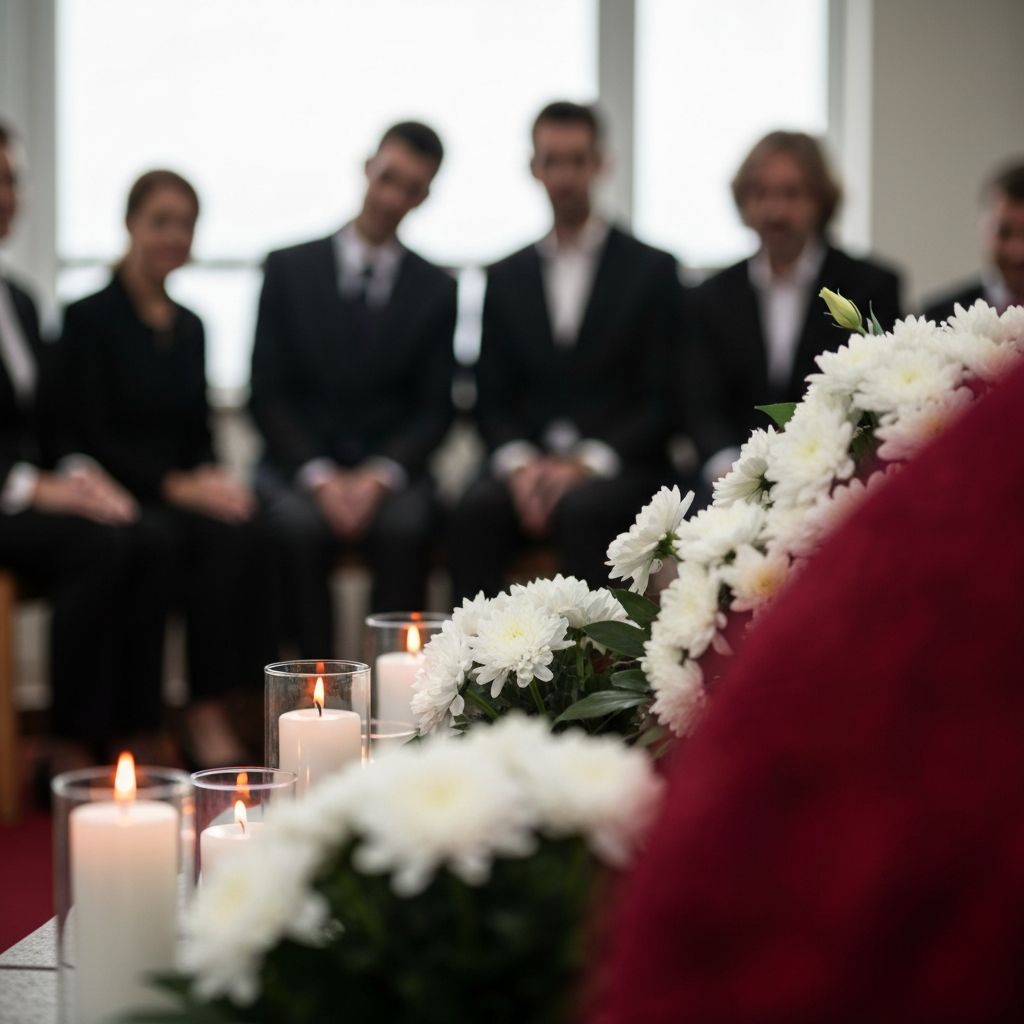
Typical Funeral Timeline After Death
When a loved one passes away, one of the first questions family members often face is how soon the funeral should take place. The timing of a funeral depends on many factors, including legal requirements, religious and cultural traditions, family preferences, and logistical considerations. In most Western countries, funerals are typically held within three to seven days after death, though this timeline can vary significantly based on individual circumstances.
Understanding the typical timeline and the factors that can influence it can help grieving families navigate the planning process during an incredibly difficult time. While there is no single correct answer to how soon a funeral should be held, having a general understanding of the process can provide clarity and reduce stress during the planning period.
Factors That Influence Funeral Timing
Several key factors determine when a funeral can be held after someone dies. One of the most significant is whether embalming or other preservation methods are used. Embalming slows the natural decomposition process and allows the body to be viewed for a longer period, giving families more flexibility in scheduling the funeral. Without embalming, the funeral typically needs to take place within a few days, especially in warmer climates.
The availability of the funeral home and its facilities can also affect timing. During busy periods, such as during a health crisis or in communities with limited funeral services, there may be a waiting period before the funeral home can accommodate a service. Similarly, the availability of the clergy, officiant, or other individuals who will lead the service must be considered.
Travel arrangements for family members and close friends who live far away can also influence the timeline. Families may choose to delay the funeral by a few days to allow time for loved ones to make travel arrangements and attend the service. This is especially common when family members need to fly in from different parts of the country or internationally.
Legal requirements can also play a role. In most jurisdictions, a death certificate must be filed before the body can be released for burial or cremation. The time required to obtain a death certificate varies by location but typically takes between 24 hours and several days. If the death is unexpected or the cause of death is unclear, an autopsy may be required, which can delay the funeral by several days or even weeks.
Religious and Cultural Considerations
Religious and cultural traditions play a significant role in determining funeral timing. In the Jewish faith, burial traditionally takes place as soon as possible after death, often within 24 hours. This practice reflects the belief that the body should be treated with respect and returned to the earth promptly. However, funerals are not held on the Sabbath or certain holidays, so the timing may be adjusted accordingly.
In Islam, burial is also traditionally performed as quickly as possible, ideally within 24 hours of death. The body is washed and wrapped in a simple white shroud according to Islamic customs, and a funeral prayer is offered before burial. Embalming and cremation are generally not practiced in Islamic tradition.
Hindu funerals also tend to occur quickly, typically within 24 to 48 hours after death. Cremation is the most common practice, and the funeral pyre or cremation ceremony is usually conducted by the eldest son or a close male relative. In many Hindu communities, specific rituals and prayers are performed during the cremation process.
Christian funerals, particularly in Western countries, are usually held within three to seven days after death. This timeline allows for embalming, visitation, and a formal funeral service. Catholic funerals often include a vigil or wake the evening before the funeral Mass, followed by the Mass itself and a burial or committal service at the cemetery.
Buddhist funeral practices vary depending on the specific tradition and culture. In some Buddhist traditions, the funeral may be held several days after death to allow for specific prayers and rituals. In others, cremation may take place relatively quickly, with memorial services held at later dates.
Cremation and Its Effect on Timing
Choosing cremation over burial can provide families with more flexibility in scheduling a memorial service. While the cremation itself is typically performed within a few days of death, a memorial service can be held at any time, even weeks or months later. This allows families to take more time to plan the service, coordinate travel for attendees, and process their grief before gathering to honor the deceased.
Some families choose to have a viewing or visitation before the cremation, followed by a memorial service at a later date. Others opt for a direct cremation, which involves cremating the body without a prior viewing or ceremony, and then holding a memorial service with the cremated remains present. Direct cremation is often the most affordable option and provides the greatest flexibility in timing.
The availability of cremation services can also affect timing. Some crematories operate on a schedule and may have waiting periods, particularly in areas with high demand. It is important to work with your funeral home to understand the expected timeline for cremation in your area.
Pre-Planning and Its Benefits
Pre-planning a funeral can significantly reduce the stress and uncertainty that families face when a death occurs. By making decisions about the type of service, burial or cremation preferences, and other details in advance, families can focus on grieving and supporting each other rather than making difficult decisions during an emotional time.
Pre-planning also allows individuals to express their personal wishes for their funeral, ensuring that the service reflects their values, beliefs, and personality. Many funeral homes offer pre-planning services and can help individuals document their preferences and even pre-pay for their funeral arrangements.
What Happens in the Days After Death
In the days immediately following a death, several things need to happen before a funeral can be held. The body is typically transported to a funeral home, where it is prepared for viewing or cremation. The family meets with the funeral director to discuss arrangements, select a casket or urn, plan the order of service, and make decisions about flowers, music, and other details.
Obituary notices are prepared and submitted to local newspapers and online platforms. Family members and friends are notified of the death and the funeral arrangements. If a viewing or visitation is planned, the funeral home will schedule a time for family and friends to pay their respects before the formal service.
Throughout this process, the funeral director serves as a guide, helping the family navigate the many decisions and logistics involved in planning a funeral. Their experience and expertise can be invaluable during this difficult time, and families should not hesitate to ask questions or seek guidance throughout the process.
Conclusion
The timing of a funeral after death depends on a complex interplay of legal requirements, religious traditions, family preferences, and logistical factors. While most funerals take place within three to seven days, there is no rigid rule that dictates when a funeral must be held. By understanding the factors that influence timing and working closely with a trusted funeral director, families can plan a meaningful service that honors their loved one and provides comfort to those who are grieving.
