
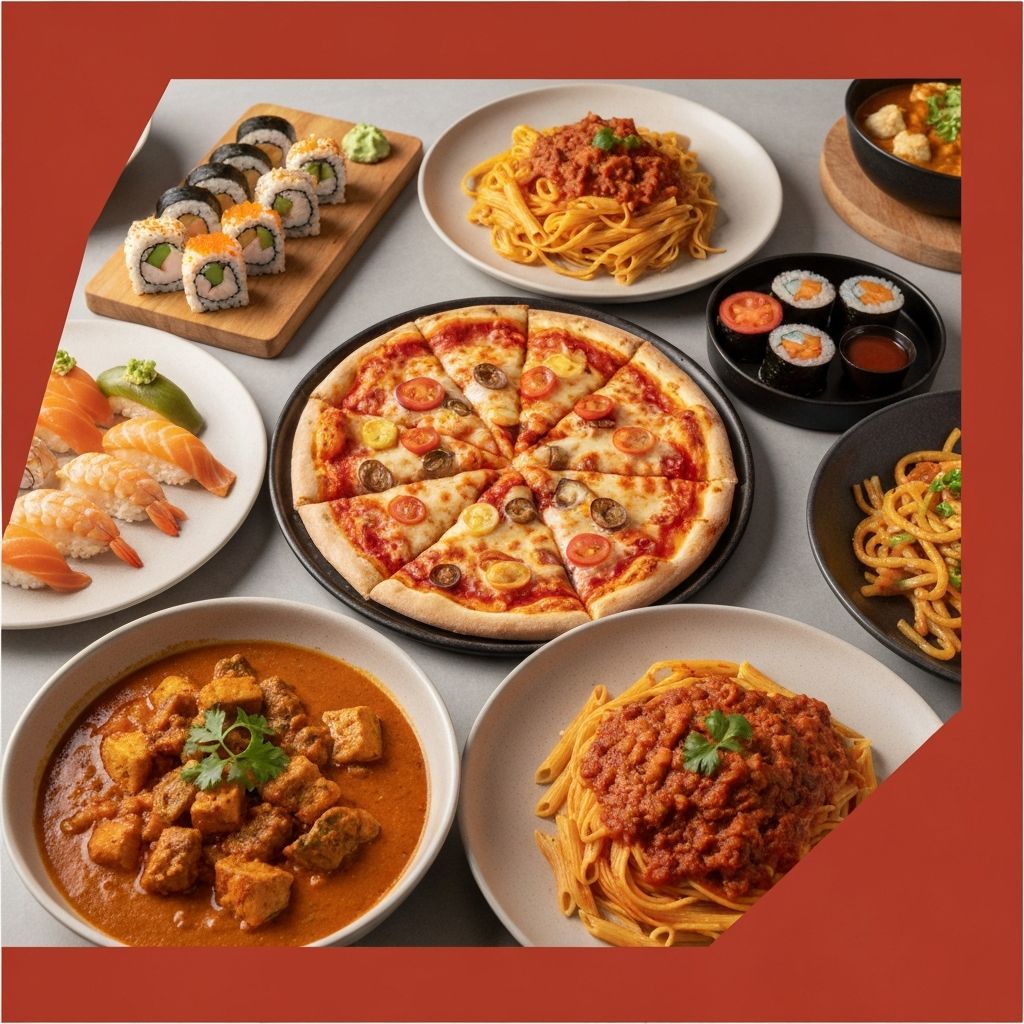
The Quest for the World's Best Food
Asking what is the best food in the world is like asking what is the most beautiful sunset. The answer is deeply personal, shaped by culture, memories, personal taste, and individual experience. Yet some dishes have achieved such universal acclaim that they consistently appear on lists of the world's greatest foods, transcending cultural boundaries and winning hearts across continents. These are the dishes that food lovers travel thousands of miles to taste and that home cooks spend years trying to perfect.
Various polls, surveys, and culinary competitions have attempted to answer this question definitively. CNN Travel conducted one of the most comprehensive surveys, polling thousands of readers worldwide about their favorite foods. The results revealed fascinating patterns about global food preferences and highlighted dishes that resonate across different cultures and cuisines. While no single food can truly claim the title of the best in the world, examining the top contenders offers a delicious tour of global gastronomy.
Rendang: The Dish That Often Tops the List
Indonesian rendang has been voted the world's most delicious food in multiple international polls, including CNN's World's 50 Best Foods list, where it has claimed the top position on multiple occasions. This rich, slow-cooked dry curry originates from the Minangkabau people of West Sumatra and is a masterpiece of layered flavors and patient cooking technique.
What makes rendang so extraordinary is its complex spice profile and the way it develops flavor over hours of slow cooking. A base of lemongrass, galangal, garlic, turmeric, ginger, and chili is combined with coconut milk and beef, then cooked slowly until all the liquid has evaporated and the meat has absorbed the rich, aromatic sauce. The result is incredibly tender beef coated in a deeply flavored, caramelized spice paste that offers a harmony of sweet, savory, spicy, and umami notes.
Traditional rendang was developed as a way to preserve meat in the tropical climate of Indonesia. The slow cooking and complete evaporation of moisture creates a dish that can last for weeks without refrigeration. Today, it is a centerpiece of celebration meals, served at weddings, religious holidays, and family gatherings. Its rich flavor and cultural significance have earned it a place in UNESCO's Intangible Cultural Heritage list considerations.
Italian Pizza and Pasta: Universal Comfort Foods
Few foods have achieved the global ubiquity of Italian pizza and pasta. Neapolitan pizza, with its thin, charred crust, fresh mozzarella, San Marzano tomatoes, and fragrant basil, is a study in the beauty of simplicity. The best pizza dough uses just four ingredients, flour, water, salt, and yeast, yet achieving the perfect balance of chewy and crispy requires skill, experience, and often a wood-fired oven reaching temperatures above 900°F.
Pasta, in its hundreds of shapes and preparations, is perhaps the most versatile food on earth. From a simple cacio e pepe, using just pecorino cheese and black pepper, to elaborate lasagna layered with ragu, bechamel, and mozzarella, pasta offers something for every palate and occasion. The Italian philosophy of using few, high-quality ingredients and treating them with respect has made Italian cuisine one of the most beloved in the world.
The global impact of Italian food cannot be overstated. Italian immigrants brought their culinary traditions to every corner of the world, adapting them to local ingredients and preferences. The result is a rich tapestry of Italian-inspired cuisines, from New York-style pizza to Japanese wafu pasta, each paying homage to the original while creating something entirely new.
Sushi: The Art of Japanese Precision
Japanese sushi represents the pinnacle of culinary artistry, where years of training are required to master the seemingly simple art of combining rice and fish. A true sushi chef, or itamae, spends years learning to prepare rice to the perfect texture and temperature, to select and cut fish with precision, and to balance flavors in each piece. The best sushi is a study in restraint, where each ingredient is allowed to shine.
What elevates sushi from simple food to culinary art is the attention to detail at every level. The rice must be cooked to a specific consistency, seasoned with a precise blend of vinegar, sugar, and salt, and served at body temperature. The fish must be impeccably fresh, aged for the right amount of time to develop optimal flavor and texture, and sliced at the correct angle to achieve the perfect balance of lean and fatty portions.
Tacos: Mexico's Gift to the World
The humble taco is a testament to the genius of Mexican cuisine and its ability to create extraordinary flavors from simple ingredients. At its most basic, a taco is a corn tortilla filled with a protein and topped with salsa, onion, and cilantro. Yet within this simple framework lies infinite variation and complexity, from the smoky richness of barbacoa to the crispy perfection of carnitas to the tender simplicity of carne asada.
What makes tacos special is their democracy. They are served at elegant restaurants and humble street stalls, enjoyed by presidents and laborers, celebrated in food festivals and eaten as everyday sustenance. The best tacos are often found at the most unassuming establishments, where generations of family recipes are executed with practiced precision. A great taco balances flavors and textures, with the warmth of a fresh tortilla, the richness of well-seasoned meat, the brightness of fresh salsa, and the crunch of raw onion.
Massaman Curry: Thailand's Flavor Symphony
Thailand's Massaman curry is another dish that consistently ranks among the world's best foods. This rich, peanut-infused curry combines influences from Thai, Indian, and Malay cuisines, creating a unique dish that is simultaneously exotic and comforting. The curry paste alone can contain over a dozen ingredients, including dried chili, lemongrass, galangal, coriander, cumin, cinnamon, cardamom, and cloves.
The finished dish is a luxurious combination of tender braised meat, potatoes, onions, and peanuts in a thick, coconut milk-based sauce. The flavor profile hits every note: sweet from the coconut milk and palm sugar, savory from the fish sauce and shrimp paste, aromatic from the complex spice blend, and subtly spicy from the dried chilies. It is a dish that rewards slow, thoughtful eating, as new flavors reveal themselves with each bite.
The Beauty of Culinary Diversity
Ultimately, the best food in the world is the one that brings you the most joy and connection. Food is intimately tied to memory, culture, and identity. A simple bowl of your grandmother's chicken soup might bring more satisfaction than the most elaborately prepared restaurant meal. The real beauty of the world's food lies not in any single dish but in the incredible diversity of flavors, techniques, and traditions that different cultures have developed over centuries.
Exploring global cuisine is one of life's greatest pleasures, and the search for the best food in the world is a journey without a destination. Each new dish you try adds to your understanding of different cultures and traditions, expands your palate, and enriches your life. Whether you are savoring street food in Bangkok, dining at a Michelin-starred restaurant in Paris, or cooking a family recipe in your own kitchen, the best food in the world is whatever makes your heart and stomach happy.
