
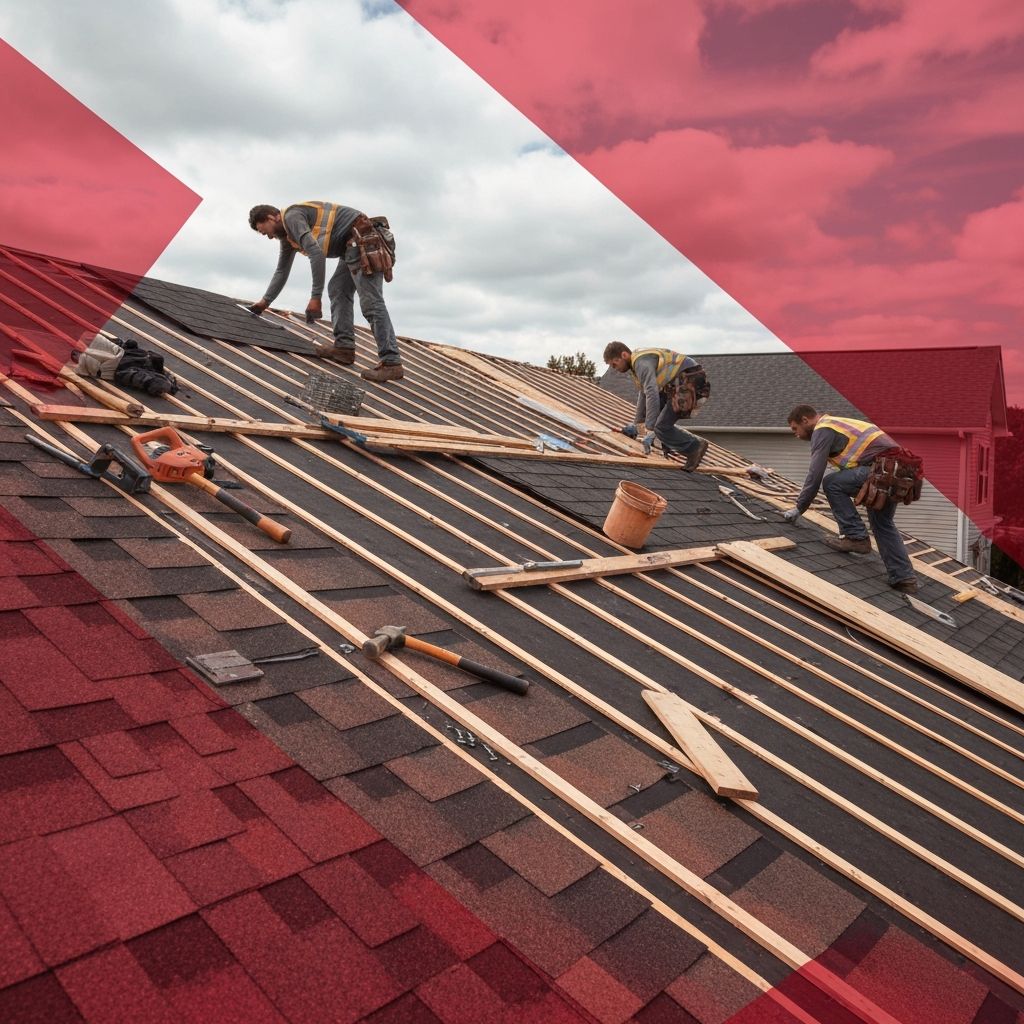
Understanding the Cost of a New Roof
Replacing a roof is one of the most significant investments homeowners face, and understanding the costs involved is essential for making informed decisions. The cost of a new roof varies widely depending on several factors, including the size of the home, the roofing material chosen, the complexity of the roof design, geographic location, and the contractor performing the work. On average, homeowners in the United States can expect to pay between $8,000 and $25,000 for a new roof, with the national average hovering around $12,000 to $15,000 for a standard asphalt shingle roof on a typical single-family home.
The investment in a new roof goes beyond just keeping the rain out — a quality roof protects your home's structure, improves energy efficiency, enhances curb appeal, and can significantly increase your property's resale value. According to the National Association of Realtors, a new roof can recover 60 to 70 percent of its cost in increased home value, making it one of the better returns on investment among home improvement projects.
Roofing Materials and Their Costs
The choice of roofing material is the single biggest factor affecting the cost of a new roof. Each material has its own price range, lifespan, aesthetic appeal, and maintenance requirements. Understanding the options available helps homeowners balance their budget with their desired outcome.
Asphalt shingles are the most popular roofing material in the United States, covering approximately 80 percent of residential roofs. Standard three-tab asphalt shingles cost between $1.50 and $3.50 per square foot installed, making them the most affordable option. Architectural (dimensional) asphalt shingles, which offer a more textured and attractive appearance, cost between $3.50 and $5.50 per square foot installed. Asphalt shingles have a typical lifespan of 20 to 30 years for three-tab and 25 to 40 years for architectural varieties.
Metal roofing has gained significant popularity in recent years due to its durability, energy efficiency, and modern aesthetic. Standing seam metal roofs cost between $7 and $14 per square foot installed, while metal shingle or tile systems range from $6 to $12 per square foot. Metal roofs offer exceptional longevity, with lifespans of 40 to 70 years, and they reflect solar heat, which can reduce cooling costs by 10 to 25 percent.
Tile roofing, including clay and concrete tiles, costs between $8 and $25 per square foot installed, depending on the type and style. Tile roofs are extremely durable, with lifespans exceeding 50 to 100 years, and they offer a distinctive Mediterranean or Spanish-style aesthetic that is popular in warmer climates. However, tile is heavy and may require structural reinforcement, adding to the overall cost of installation.
Slate roofing is the premium option, costing between $15 and $40 per square foot installed. Natural slate is one of the most durable roofing materials available, with lifespans of 75 to 200 years. Its natural beauty and prestige make it a popular choice for high-end homes and historic properties, but its weight and the specialized installation skills required make it one of the most expensive roofing options.
Wood shakes and shingles cost between $6 and $12 per square foot installed. Cedar is the most common wood used for roofing, prized for its natural beauty and insulating properties. Wood roofs have a typical lifespan of 25 to 40 years but require more maintenance than other materials and may not be permitted in areas prone to wildfires due to fire code restrictions.
Labor Costs for Roof Installation
Labor typically accounts for 40 to 60 percent of the total cost of a new roof. Roofing labor rates vary by region, with higher rates in metropolitan areas and lower rates in rural communities. On average, roofing contractors charge between $50 and $80 per hour per worker, or between $150 and $300 per roofing square (a 10-foot by 10-foot area, or 100 square feet) for standard asphalt shingle installation.
Several factors influence labor costs beyond the base installation rate. The removal and disposal of the existing roof adds to labor costs, typically ranging from $1 to $5 per square foot depending on the number of existing layers and the type of material being removed. Most building codes limit the number of shingle layers to two, and if your existing roof already has two layers, complete tear-off is required before new material can be installed.
Roof complexity significantly affects labor costs. A simple gable roof with few penetrations (vents, chimneys, skylights) is the easiest and least expensive to install. Roofs with multiple valleys, dormers, hip sections, steep pitches, or numerous penetrations require more time, skill, and material, increasing labor costs by 20 to 50 percent or more compared to a simple roof of the same size.
The time of year can also impact labor costs and availability. Roofing demand peaks during late spring through early fall, when weather conditions are most favorable for installation. During peak season, contractors may charge higher rates due to increased demand, and scheduling a project may require longer lead times. Scheduling your roof replacement during the off-season (late fall or winter, weather permitting) may result in lower prices and faster project initiation.
Additional Cost Factors
Beyond materials and labor, several additional factors can affect the total cost of a new roof. Understanding these potential costs helps homeowners budget more accurately and avoid surprises during the project.
Structural repairs may be necessary if the existing roof deck or supporting structure has been damaged by water infiltration, rot, or pest damage. Replacing damaged plywood sheathing typically costs $50 to $100 per sheet (4 by 8 feet), and more extensive structural repairs can add thousands of dollars to the project. A thorough inspection before the project begins can identify potential structural issues and allow for accurate cost estimation.
Underlayment and ice and water shield are essential components that protect the roof deck from moisture. Synthetic underlayment costs between $0.15 and $0.50 per square foot, while ice and water shield (required in cold climates along eaves and in valleys) costs between $0.50 and $1.50 per square foot. These materials add to the overall cost but provide critical protection against leaks.
Ventilation is an important component of a roofing system that affects both the roof's longevity and the home's energy efficiency. Proper roof ventilation helps regulate temperature and moisture in the attic, preventing ice dams in winter and reducing cooling costs in summer. Adding or upgrading ventilation during a roof replacement typically costs $300 to $600 for ridge vents and soffit vents.
Flashing — the metal pieces installed around chimneys, skylights, vents, and where the roof meets walls — prevents water from penetrating these vulnerable areas. Replacing flashing during a roof replacement adds $200 to $500 per area, depending on the complexity of the installation. Using high-quality flashing and proper installation techniques is essential for a leak-free roof.
Permits and inspections are required in most jurisdictions for roof replacement. Building permit costs vary by location but typically range from $100 to $500. Some municipalities also require inspections at various stages of the project, which may be included in the permit fee or charged separately.
Getting Accurate Estimates
To get an accurate estimate for your new roof, it's important to obtain quotes from multiple reputable contractors. Most roofing professionals recommend getting at least three to five estimates to compare pricing, materials, warranties, and timelines. Each estimate should be detailed, breaking down the costs for materials, labor, tear-off, disposal, and any additional work.
When evaluating estimates, be wary of bids that are significantly lower than the others. While it's natural to want to save money, an unusually low bid may indicate that the contractor is cutting corners on materials or workmanship, using uninsured or inexperienced workers, or planning to add charges for "unexpected" work once the project is underway.
Ask each contractor about their licensing, insurance, and warranty terms. A reputable contractor should carry both general liability insurance and workers' compensation insurance to protect you from liability in case of accidents or damage during the project. They should also offer a workmanship warranty in addition to the manufacturer's material warranty.
Check references and reviews for each contractor you're considering. Ask for references from recent projects similar to yours, and follow up by contacting those references to ask about their experience. Online review platforms can provide additional insights into a contractor's reputation and customer satisfaction.
Financing Options for a New Roof
Given the significant cost of a new roof, many homeowners explore financing options to make the investment more manageable. Several financing methods are available, each with its own advantages and considerations.
Home equity loans and lines of credit (HELOCs) allow homeowners to borrow against the equity in their home at relatively low interest rates. These options are popular for roofing projects because the interest may be tax-deductible (consult a tax advisor for current rules) and the rates are typically lower than personal loans or credit cards.
Personal loans from banks, credit unions, or online lenders provide another financing option that doesn't require using your home as collateral. Interest rates on personal loans vary based on your credit score and other factors, but they can be competitive for borrowers with good credit. The application process is typically faster and simpler than home equity products.
Many roofing contractors offer their own financing programs, often through partnerships with lending institutions. These programs may include promotional interest rates, deferred payment options, or other terms designed to make the project more affordable. Be sure to read the terms carefully and compare them with other financing options before committing.
Homeowner's insurance may cover some or all of the cost of a new roof if the existing roof was damaged by a covered peril, such as hail, wind, or a falling tree. Contact your insurance company to file a claim and have an adjuster assess the damage before starting the project. Be aware that insurance typically covers the cost of repair or replacement with like materials, not upgrades to premium materials.
Making the Right Decision
Investing in a new roof is a major financial decision that requires careful consideration of your budget, your home's needs, and your long-term plans. While it may be tempting to choose the cheapest option, a quality roof installed by experienced professionals using proven materials provides better protection, longer service life, and greater return on investment than a budget installation.
Consider the total cost of ownership rather than just the upfront price. A metal roof that costs twice as much as asphalt shingles but lasts three times as long may be the better value over the life of the home. Similarly, investing in proper ventilation, quality underlayment, and experienced installation can extend the life of any roofing material and reduce long-term maintenance costs.
