
Defining Vocational Schools and Their Purpose
Vocational schools, also known as trade schools, technical schools, or career colleges, are educational institutions that provide specialized, hands-on training in specific trades, crafts, or professions. Unlike traditional four-year colleges and universities, which offer broad-based academic education leading to bachelor's degrees, vocational schools focus on equipping students with the practical skills and knowledge needed to enter a specific career field directly upon completion of their program. Vocational education emphasizes learning by doing, with curricula that combine classroom instruction with extensive hands-on practice in real-world or simulated work environments.
The purpose of vocational education is to prepare students for immediate employment in skilled occupations that require specialized training but not necessarily a four-year college degree. Vocational programs typically range from a few months to two years in length and lead to certificates, diplomas, or associate degrees. Fields commonly associated with vocational education include healthcare (nursing, dental hygiene, medical assisting), skilled trades (welding, plumbing, electrical work), technology (IT, web development, cybersecurity), and personal services (cosmetology, barbering, massage therapy).
Why Cosmetology School Is a Vocational School
Cosmetology school is, by definition, a vocational school. It meets all the criteria that characterize vocational education: it provides specialized training in a specific profession (cosmetology), it emphasizes hands-on, practical learning, and it prepares students for direct entry into the workforce upon completion of the program. Cosmetology programs teach students the technical skills needed to perform a wide range of beauty services, including hair cutting, coloring, and styling, skin care and facials, nail care and manicures, makeup application, and other aesthetic treatments.
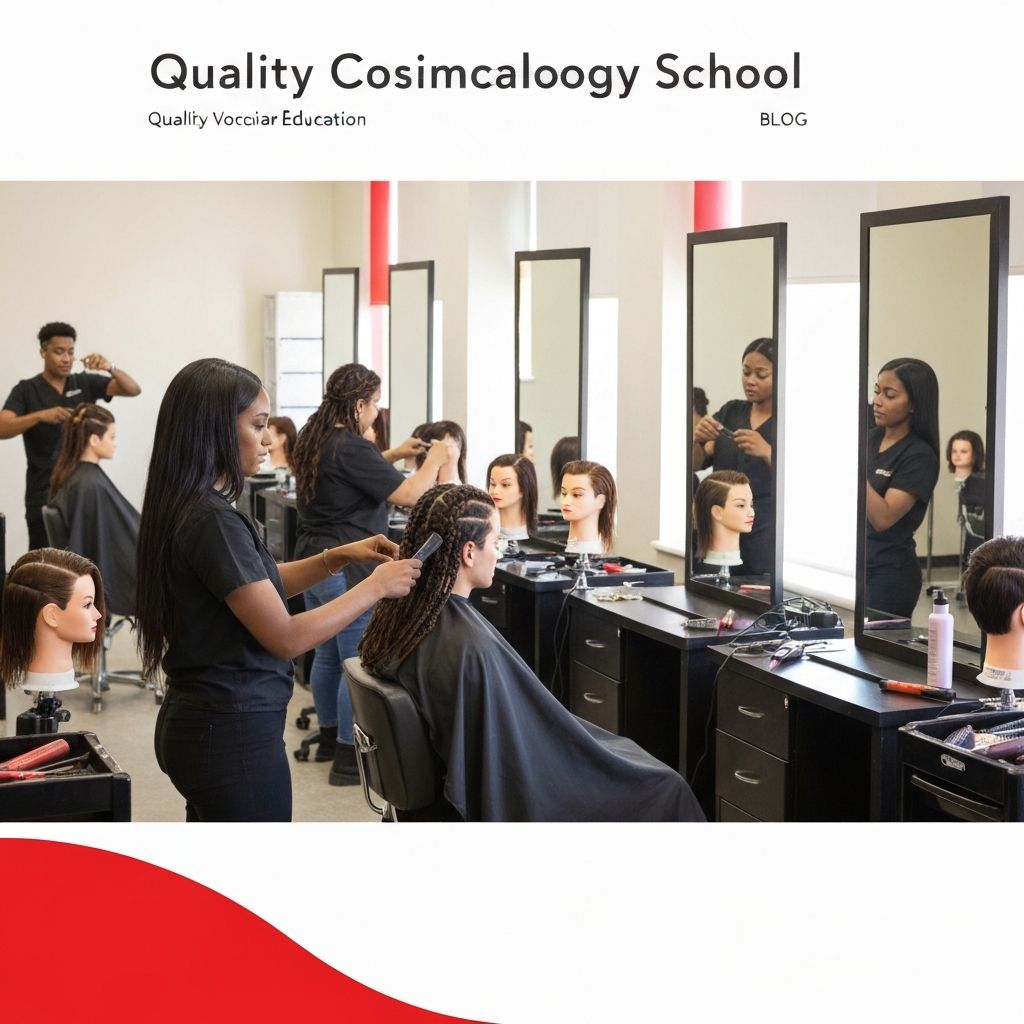
Like other vocational programs, cosmetology schools combine classroom instruction in subjects such as anatomy, chemistry, sanitation, and business management with extensive practical training in student salons or clinics. Students spend a significant portion of their training time working on real clients under the supervision of licensed instructors, gaining the hands-on experience they need to build confidence and competence in their craft. This experiential learning approach is a hallmark of vocational education and distinguishes cosmetology school from traditional academic institutions.
Upon completing a cosmetology program, graduates are prepared to take the state licensing examination, which is required to practice cosmetology professionally in all 50 states. The licensing process typically involves both a written (or computer-based) examination and a practical skills assessment, ensuring that licensed cosmetologists meet minimum standards of knowledge and competency. This licensure requirement further aligns cosmetology school with the vocational education model, as it prepares students for a credentialed profession with clearly defined entry requirements.
The Structure of Cosmetology Programs
Cosmetology programs vary in structure and duration depending on the school and the state's licensing requirements. Most states require cosmetology students to complete a minimum number of training hours, typically ranging from 1,000 to 1,600 hours, before they are eligible to sit for the licensing examination. Some states require even more hours for certain specializations, such as esthetics (skin care) or nail technology. Programs can be completed in as little as nine months for full-time students or may take up to two years for those attending part-time.
The curriculum of a cosmetology program is designed to cover both the theoretical and practical aspects of the profession. Classroom instruction typically includes subjects such as hair science and chemistry, which covers the chemical processes involved in coloring, perming, and straightening hair. Students also study skin biology and dermatology, which provides the foundation for facials, waxing, and other skin care treatments. Sanitation and safety protocols are a critical component of the curriculum, as cosmetologists must maintain strict hygiene standards to protect the health of their clients and themselves.
Business and professional development courses are also commonly included in cosmetology programs, preparing students for the entrepreneurial aspects of the beauty industry. Topics may include salon management, marketing, client relations, retail sales, and financial planning. These business skills are essential for cosmetologists who plan to open their own salons or work as independent contractors, and they reflect the practical, career-focused orientation of vocational education.
Benefits of Attending a Vocational Cosmetology School
There are numerous benefits to attending a vocational cosmetology school, making it an attractive option for individuals who are passionate about the beauty industry and eager to start their careers. One of the most significant advantages is the relatively short duration of the program. While a traditional four-year college degree takes four or more years to complete, cosmetology programs can typically be completed in one to two years, allowing students to enter the workforce and start earning income much sooner.
The cost of attending a vocational cosmetology school is generally lower than the cost of a four-year college education. While tuition varies widely depending on the school, location, and program length, cosmetology programs are typically more affordable than bachelor's degree programs, resulting in less student debt. Many cosmetology schools also offer financial aid, scholarships, and payment plans to help students manage the cost of their education.
Another key benefit is the hands-on, practical nature of the training. Cosmetology students spend a significant portion of their education practicing their skills on real people, which builds confidence, competence, and a professional portfolio that can be invaluable when seeking employment after graduation. This practical experience is something that traditional academic programs cannot replicate, and it gives cosmetology graduates a significant advantage in the job market.
The beauty industry offers a wide range of career opportunities for licensed cosmetologists. Graduates can work in salons, spas, resorts, cruise ships, film and television production companies, fashion houses, and bridal services. Some cosmetologists specialize in specific areas such as hair color, extensions, esthetics, or nail art, while others pursue careers in education, product development, or beauty journalism. The diversity of career paths available to cosmetology graduates reflects the breadth of skills they acquire during their vocational training.
Cosmetology School vs. Traditional College Education
The choice between attending cosmetology school and pursuing a traditional college education depends on the individual's career goals, interests, and personal circumstances. For those who are passionate about the beauty industry and eager to start working in a hands-on profession, cosmetology school offers a direct and efficient path to a rewarding career. The focused, practical curriculum ensures that graduates are job-ready from day one, and the growing demand for skilled beauty professionals provides strong employment prospects.
However, it is important to note that cosmetology school does not provide the broad-based liberal arts education that a traditional college offers. Students who are interested in exploring a wide range of academic subjects, pursuing careers in fields that require a bachelor's degree or higher, or keeping their options open may find that a traditional college education better meets their needs. Some individuals choose to pursue both paths, completing a cosmetology program to gain a marketable skill while also attending college to broaden their education and career options.
Regardless of the path chosen, the most important factor is that the education aligns with the individual's goals and aspirations. Vocational education, including cosmetology school, is a respected and valuable form of education that prepares students for successful careers in skilled professions. By choosing a program that matches their interests and career objectives, students can invest in their future and build a foundation for a fulfilling and prosperous career.
Accreditation and Choosing the Right Cosmetology School
When selecting a cosmetology school, it is important to consider factors such as accreditation, program quality, pass rates on the licensing examination, job placement rates, and student support services. Accreditation by a recognized accrediting agency, such as the National Accrediting Commission of Career Arts and Sciences (NACCAS), ensures that the school meets established standards of educational quality and that students may be eligible for federal financial aid.
Visiting prospective schools, speaking with current students and graduates, and researching the school's reputation in the beauty industry can also help you make an informed decision. A high-quality cosmetology school will provide a comprehensive curriculum, experienced instructors, modern facilities and equipment, and strong connections to the local beauty industry that can facilitate job placement after graduation. By choosing the right vocational cosmetology school, you can set yourself up for a successful and rewarding career in the beauty industry.
