
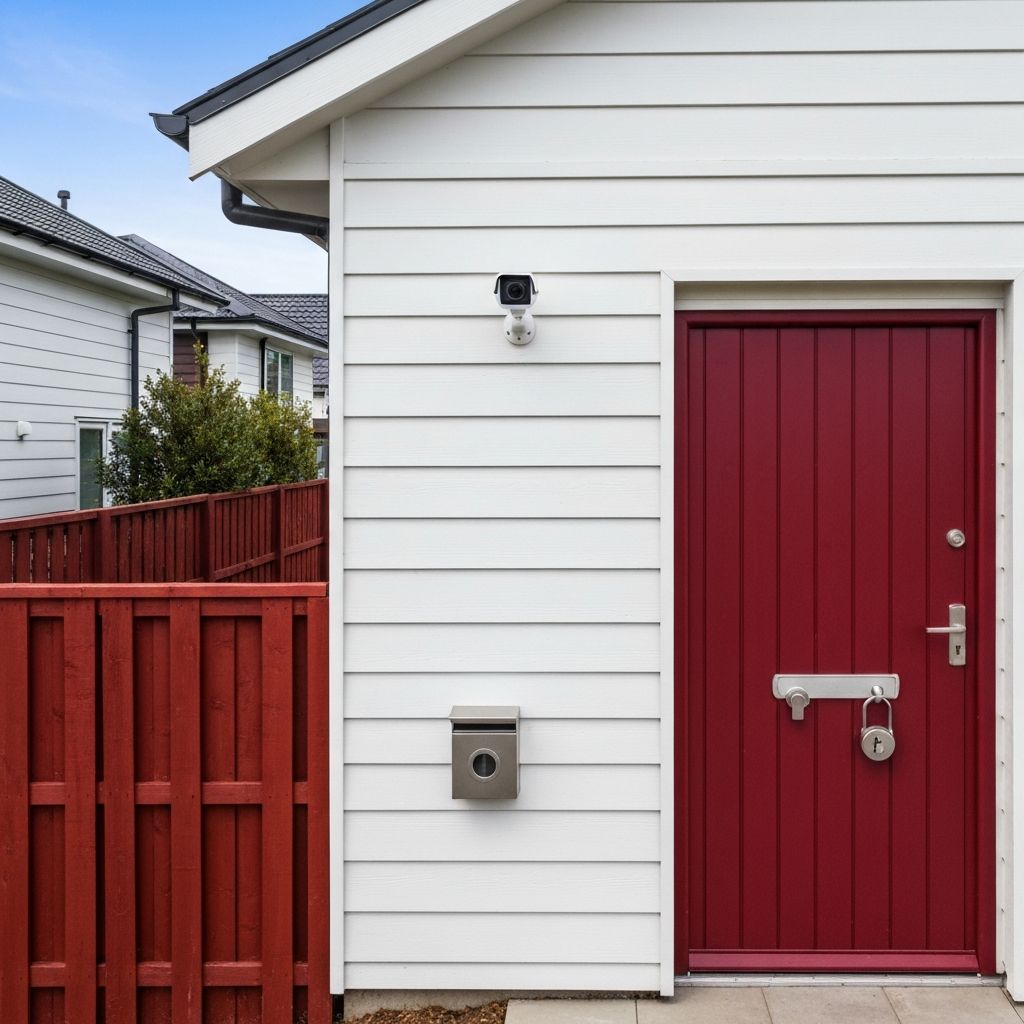
Understanding Physical Security for Your Home
Home security is a topic that concerns every homeowner and renter. Protecting your property, belongings, and most importantly your family from potential threats requires a thoughtful approach that combines multiple layers of security. Physical security measures form the foundation of any home security strategy, but not everything that contributes to home safety qualifies as a physical security measure. Understanding the distinction is important for building a comprehensive and effective security plan.
Physical security refers to the tangible, material barriers and devices that are designed to prevent unauthorized access to a property or building. These are the locks, walls, fences, doors, and other physical structures that create barriers between potential intruders and the interior of your home. Physical security measures are the first line of defense in any security strategy and have been used for thousands of years, from the fortified walls of ancient cities to the modern smart locks on contemporary front doors.
Common Physical Security Measures
To understand what is not a physical security measure, it is helpful to first review what is. The most fundamental physical security measures for a home include strong, solid-core exterior doors with quality deadbolt locks. Doors are the primary entry point for most burglars, and ensuring that they are sturdy and properly secured is one of the most effective steps a homeowner can take to improve security.
Window locks and reinforced glass are also important physical security measures. Windows are a common point of entry for burglars, and ensuring that all windows have functioning locks and, ideally, shatter-resistant or laminated glass can significantly reduce the risk of break-ins. Window security film, which holds glass together even when broken, is another effective physical security enhancement.
Fencing and gates create a physical perimeter around a property that deters casual intruders and makes unauthorized access more difficult. While a fence alone will not stop a determined burglar, it adds an additional layer of resistance that can slow down an intruder and make the property a less attractive target. Security bars on windows and reinforced door frames are additional physical barriers that can be effective in high-risk areas.
Exterior lighting, particularly motion-activated lighting, is often classified as a physical security measure because it creates a physical environmental change (illumination) that deters intruders. Well-lit exteriors eliminate the darkness that burglars rely on to approach a home undetected, making it a simple but effective security enhancement.
What Is Not a Physical Security Measure
While many security strategies contribute to overall home safety, not all of them qualify as physical security measures. Cybersecurity measures, for example, are not physical security measures even though they protect valuable assets. Firewalls, antivirus software, strong passwords, and encrypted Wi-Fi networks protect your digital information and smart home devices from cyber threats, but they do not create physical barriers to prevent unauthorized access to your property.
Homeowner's insurance is another example of something that contributes to home security in a broader sense but is not a physical security measure. Insurance provides financial protection against losses due to theft, vandalism, or damage, but it does not prevent these events from occurring. It is a risk management tool rather than a physical deterrent or barrier.
Neighborhood watch programs, while valuable for community safety, are not physical security measures. These programs rely on human vigilance and community cooperation to detect and report suspicious activity, but they do not create physical barriers or deterrents. They are a form of social or community-based security rather than physical security.
Background checks on potential tenants or employees who will have access to your home are a form of administrative security, not physical security. While screening individuals who enter your home can reduce the risk of theft or harm, it does not involve any physical barriers or devices that prevent unauthorized access.
The Difference Between Physical and Digital Security
In today's increasingly connected world, the line between physical and digital security can sometimes seem blurred. Smart home devices such as video doorbells, smart locks, and security cameras have both physical and digital components. The camera itself is a physical device, but the data it transmits, stores, and makes accessible through smartphone apps exists in the digital realm. The physical device provides surveillance capability, while the digital component provides remote access and data management.
It is important to recognize that digital security measures, no matter how sophisticated, cannot replace physical security fundamentals. A smart lock with the most advanced encryption in the world is still only as secure as the door it is installed on. If the door itself is flimsy or the door frame can be easily kicked in, the digital sophistication of the lock becomes irrelevant. Similarly, a security camera can record a break-in, but it cannot physically prevent one from occurring.
This is why a comprehensive home security strategy must include both physical and non-physical elements working together. Physical barriers prevent or delay unauthorized access, while digital systems provide monitoring, alerting, and recording capabilities. Administrative measures such as establishing procedures for key management and visitor access add another layer of protection.
Building a Layered Security Strategy
Security professionals often use the concept of "defense in depth" to describe the most effective approach to protecting any asset, including your home. This concept involves creating multiple layers of security so that if one layer is breached, additional layers continue to provide protection. A layered home security strategy might include perimeter security (fencing, gates, exterior lighting), building security (strong doors, quality locks, window reinforcements), interior security (security cameras, motion sensors, safes), and monitoring services (alarm systems, professional monitoring, smart home alerts).
Each layer serves a specific purpose and complements the others. Perimeter security deters and delays intruders before they reach the building. Building security makes it difficult to gain entry even if the perimeter is breached. Interior security protects specific high-value items and provides evidence collection capability. Monitoring services ensure that any breach is detected and responded to promptly.
Common Misconceptions About Home Security
There are several common misconceptions about home security that can lead homeowners to make poor decisions about protecting their properties. One misconception is that simply having a security system sign in the yard is sufficient deterrent. While security signs can deter some opportunistic burglars, they are not a substitute for actual security measures. Experienced criminals may recognize fake signs or may not be deterred by them at all.
Another misconception is that expensive electronic security systems are always better than basic physical measures. In reality, a home with strong doors, quality locks, and good exterior lighting is often more secure than a home with an elaborate alarm system but weak doors and poor lighting. The fundamentals of physical security should always be addressed before investing in more advanced systems.
Some homeowners believe that living in a safe neighborhood eliminates the need for security measures. While crime rates do vary by location, no neighborhood is completely immune to property crime. Even in low-crime areas, opportunistic break-ins can occur, and having basic physical security measures in place provides important protection.
Practical Steps to Improve Your Home's Physical Security
Improving your home's physical security does not have to be expensive or complicated. Start with the basics: ensure that all exterior doors are solid core or steel, install quality deadbolt locks with at least a one-inch throw bolt, and add strike plate reinforcement kits to your door frames. These simple upgrades can dramatically improve the resistance of your doors to forced entry.
Check all windows to ensure they have functioning locks and consider adding window security film to ground-floor windows. Install motion-activated exterior lighting around all entry points and dark areas of your property. Trim landscaping near windows and doors to eliminate hiding spots that could conceal an intruder's approach.
Consider adding a peephole or video doorbell to your front door so you can see who is outside before opening it. Sliding glass doors should be reinforced with a security bar or pin to prevent them from being forced open. If you have a garage, ensure that the door between the garage and the living space is as secure as your exterior doors, as garages are a common point of entry for burglars.
By understanding the distinction between physical and non-physical security measures, you can make informed decisions about how to allocate your security budget and build a comprehensive protection strategy that addresses all potential vulnerabilities in your home's security posture.
