
Vanilla: The Undisputed Champion
When it comes to the most popular ice cream flavor in the world, vanilla takes the crown by a significant margin. According to data from the International Dairy Foods Association and numerous consumer surveys, vanilla consistently accounts for approximately 25 to 30 percent of all ice cream sales in the United States. Globally, the trend is similar, with vanilla dominating ice cream preferences across North America, Europe, and many parts of Asia.
The popularity of vanilla might seem surprising given its reputation as a plain or boring flavor. However, this perception couldn't be further from the truth. Real vanilla is an incredibly complex flavor compound containing over 250 different aromatic components that create its distinctive warm, sweet, and creamy taste profile. The flavor's versatility is a major factor in its dominance, as vanilla serves as both a standalone indulgence and a perfect complement to toppings, sauces, pies, cakes, and other desserts.
The history of vanilla ice cream dates back to the 18th century, when Thomas Jefferson reportedly brought a recipe for vanilla ice cream from France to the United States. Since then, vanilla has been the foundational flavor of the American ice cream industry, and its popularity has never wavered despite the introduction of thousands of exotic and innovative flavors over the centuries.
The Runner-Up: Chocolate
Chocolate holds a firm second place in the ice cream popularity rankings, capturing approximately 14 to 17 percent of ice cream sales in the United States. Chocolate ice cream has been a beloved treat since it was first made in Europe in the late 1600s, predating vanilla ice cream by several decades in some accounts. The rich, indulgent flavor of chocolate appeals to a broad demographic and has spawned countless variations, from dark chocolate and Dutch cocoa to chocolate fudge and chocolate truffle.
The appeal of chocolate ice cream is deeply rooted in the science of flavor perception. Chocolate contains compounds such as theobromine and phenylethylamine that can trigger the release of endorphins and serotonin in the brain, creating feelings of pleasure and well-being. This biological response, combined with the inherently satisfying combination of sweetness and cocoa bitterness, makes chocolate ice cream an irresistible choice for millions of consumers.
Other Top Contenders
Beyond the vanilla and chocolate duopoly, several other flavors consistently rank among the most popular ice cream choices. Cookies and cream, which features vanilla ice cream studded with crushed chocolate sandwich cookies, has surged in popularity since its invention in the 1970s and now typically ranks third or fourth in consumer preference surveys.
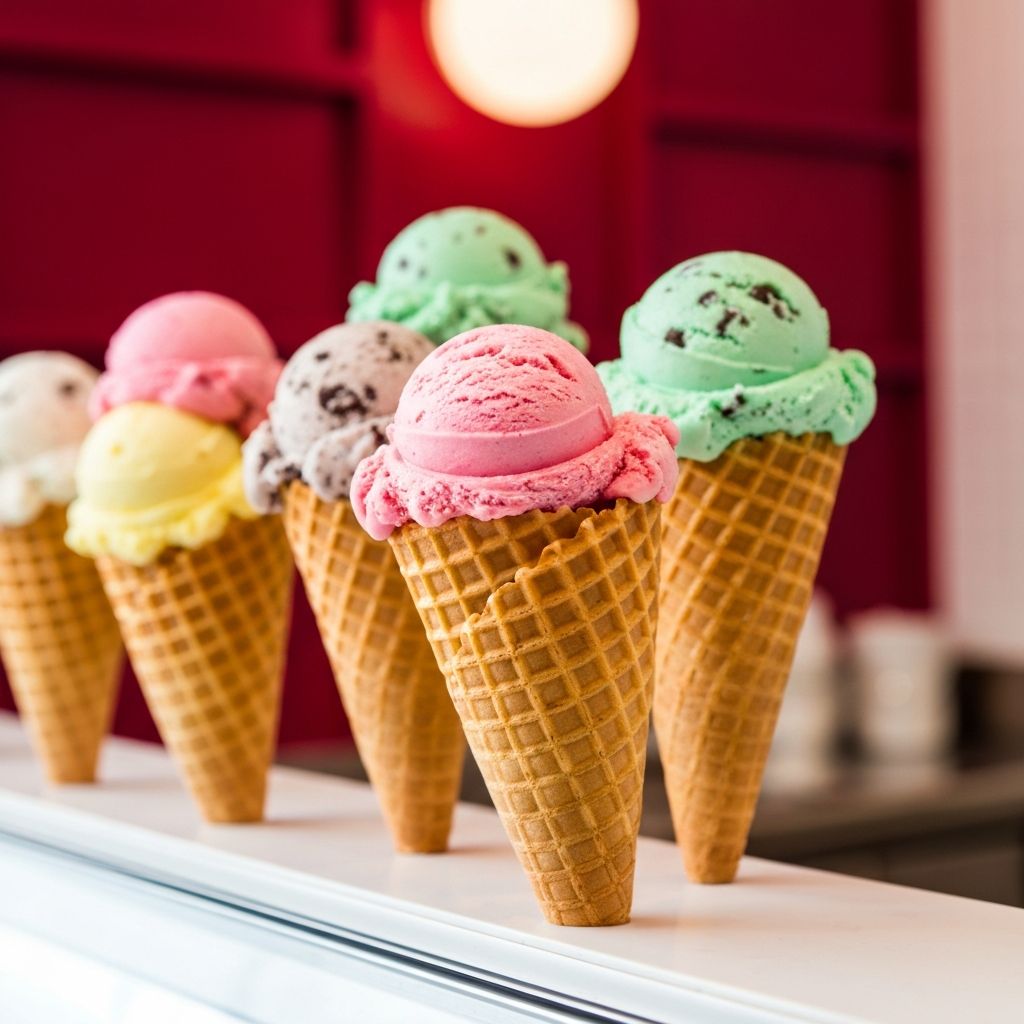
Strawberry rounds out the classic Neapolitan trio and remains a perennial favorite, particularly during the summer months when fresh strawberries are in season. Mint chocolate chip, with its refreshing coolness and satisfying chocolate pieces, has a devoted following that keeps it firmly in the top five. Cookie dough, butter pecan, and rocky road also consistently appear in top-ten lists, each offering a unique combination of flavors and textures that appeals to specific consumer segments.
Regional preferences play a significant role in flavor popularity. In the southeastern United States, butter pecan enjoys outsized popularity. In New England, coffee-flavored ice cream is a regional staple. Hawaiian consumers favor tropical flavors like mango and coconut, while Japanese consumers have embraced unique flavors like matcha green tea, black sesame, and red bean. These regional variations add richness and diversity to the global ice cream landscape.
The Science Behind Flavor Preferences
Why do people prefer certain ice cream flavors over others? The answer involves a complex interplay of genetics, culture, psychology, and personal experience. Research has shown that flavor preferences are influenced by genetic variations in taste receptors, particularly those related to bitter taste perception. Individuals with more bitter taste receptors, known as supertasters, may be less likely to enjoy dark chocolate or coffee-flavored ice cream, while those with fewer receptors may find these flavors more appealing.
Cultural exposure also plays a major role. People tend to prefer flavors that they were exposed to during childhood, which is why vanilla and chocolate, the most commonly available flavors, maintain their dominance. Nostalgia and emotional associations further reinforce these preferences, as ice cream is often connected to positive memories of childhood celebrations, family outings, and summer activities.
The texture of ice cream also influences flavor perception. Flavors that pair well with mix-ins like nuts, cookie pieces, candy, or swirl ribbons tend to be more popular because they offer a multisensory eating experience. The crunch of a nut, the chewiness of a cookie piece, or the smoothness of a caramel ribbon adds complexity and satisfaction that enhance the overall enjoyment of the ice cream.
Trends Shaping the Future of Ice Cream Flavors
The ice cream industry is constantly innovating, and several trends are shaping the future of flavor preferences. Plant-based and dairy-free ice cream has exploded in popularity, with oat milk, coconut milk, and almond milk bases becoming increasingly sophisticated and delicious. These alternatives have opened up new flavor possibilities and attracted consumers who were previously excluded from the ice cream market due to dietary restrictions or lifestyle choices.
Exotic and globally inspired flavors are also gaining traction. Ube, a purple yam popular in Filipino cuisine, has become a trendy ice cream flavor in the United States. Tahini, cardamom, saffron, and lavender are appearing in artisanal ice cream shops across the country. Savory ice cream flavors, including olive oil, goat cheese, and even bacon, are pushing the boundaries of what ice cream can be.
Health-conscious options have also transformed the market. High-protein, low-sugar, and low-calorie ice cream brands have captured significant market share by offering guilt-free indulgence. These products often use sugar alcohols, fiber, and protein isolates to mimic the taste and texture of traditional ice cream while delivering a more nutritious product.
The Business of Ice Cream Flavors
For ice cream manufacturers and retailers, understanding flavor preferences is crucial to business success. The top-selling flavors, vanilla and chocolate, are essential offerings for any ice cream brand, as they account for a disproportionate share of revenue. However, limited-edition and seasonal flavors drive excitement, social media buzz, and trial purchases that can attract new customers and keep existing ones engaged.
Ben & Jerry's, Häagen-Dazs, Blue Bell, and other major brands invest heavily in flavor research and development, testing new combinations with consumer panels and using data analytics to predict which flavors will resonate with the market. The most successful new flavors typically combine familiar elements in unexpected ways, offering a sense of novelty while maintaining a flavor profile that appeals to mainstream tastes.
Despite all the innovation and experimentation in the ice cream industry, one thing remains constant: vanilla continues to be the most popular ice cream flavor, year after year, decade after decade. Its timeless appeal, incredible versatility, and universal accessibility ensure that it will likely hold the top spot for generations to come.
