
Understanding SNAP Benefits and Eligible Purchases
The Supplemental Nutrition Assistance Program (SNAP), commonly referred to as food stamps, is the largest federal nutrition assistance program in the United States. SNAP provides benefits to eligible low-income individuals and families to help them purchase food and maintain adequate nutrition. Understanding exactly what you can and cannot buy with SNAP benefits is essential for making the most of this assistance and avoiding declined transactions at the checkout.
SNAP benefits are delivered through an Electronic Benefits Transfer (EBT) card, which works like a debit card at authorized retailers. The program is administered by the USDA Food and Nutrition Service and operates in all 50 states, the District of Columbia, Guam, and the U.S. Virgin Islands. As of 2026, over 40 million Americans receive SNAP benefits, making it one of the most critical safety net programs in the country.
Foods You Can Buy with SNAP
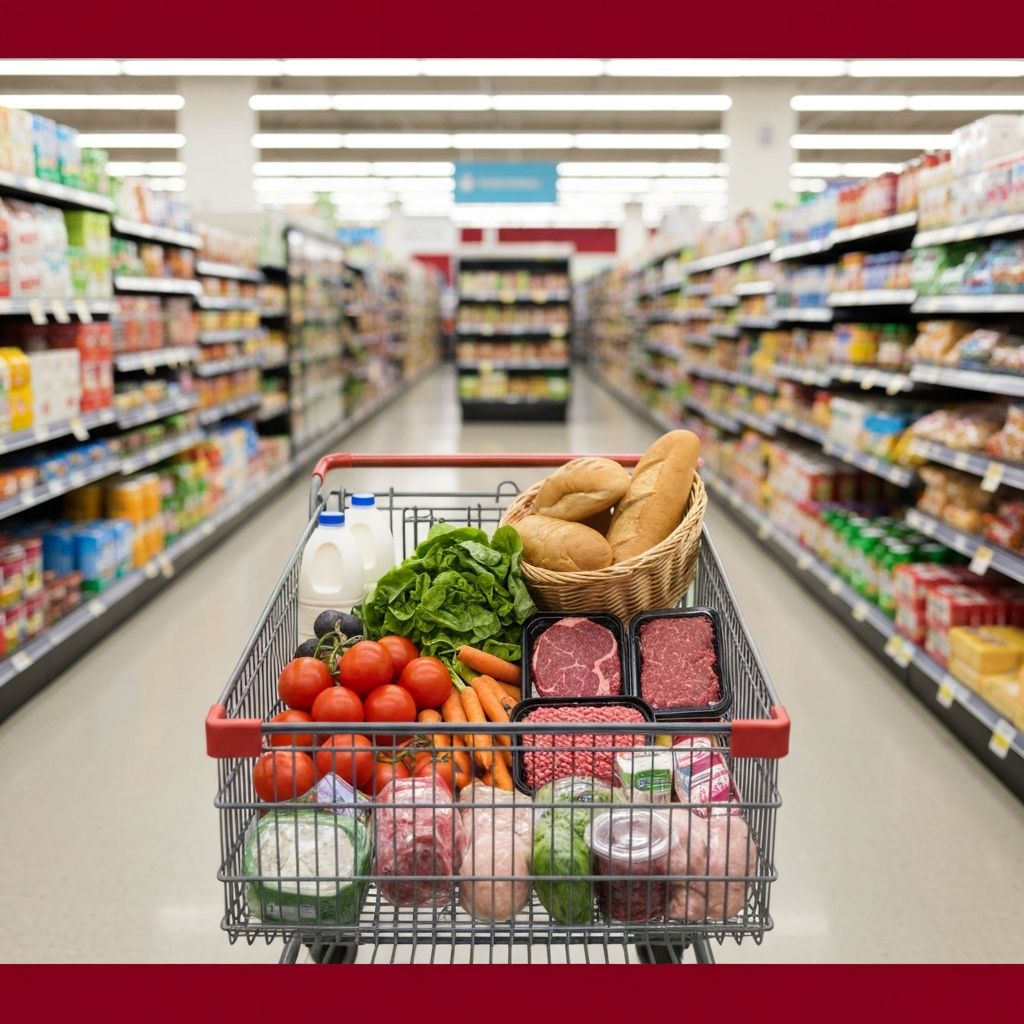
SNAP benefits can be used to purchase a wide variety of food items intended for home consumption. Eligible items include fruits and vegetables, whether fresh, frozen, or canned. Meat, poultry, and fish are all eligible, including both fresh and packaged varieties. Dairy products such as milk, cheese, yogurt, and butter can be purchased with SNAP. Breads, cereals, grains, pasta, and rice are covered, along with snack foods, candy, and non-alcoholic beverages including soda and juice.
Seeds and plants that produce food for the household to eat are also an eligible purchase. This means you can use your SNAP benefits to buy tomato plants, herb seedlings, or vegetable garden seeds. Bakery items, including cakes, cookies, and pastries, are permissible purchases as well. While these may not be the most nutritious choices, the program does not restrict food purchases based on nutritional value.
Items You Cannot Buy with SNAP
There are clear restrictions on what SNAP benefits cannot purchase. Alcoholic beverages of any kind are strictly prohibited, including beer, wine, and spirits. Tobacco products and cigarettes are not eligible. Non-food items such as paper products, cleaning supplies, toiletries, pet food, and household items cannot be purchased with SNAP benefits.
Vitamins, supplements, and medicines are excluded from SNAP eligibility, even if they are sold in the food section of a store. Hot prepared foods intended for immediate consumption cannot be purchased with standard SNAP benefits, with the exception of the Restaurant Meals Program available in select states for qualifying individuals. Live animals, except for shellfish and fish that are sold for human consumption, are also not eligible.
Special Cases and Gray Areas
Some purchases fall into gray areas that can confuse both shoppers and cashiers. Energy drinks are eligible if they carry a Nutrition Facts label, which classifies them as food. However, energy drinks with a Supplement Facts label are considered supplements and are not eligible. Similarly, protein bars and meal replacement shakes are eligible if labeled as food products but not if they are labeled as dietary supplements.
Gift baskets that contain both food and non-food items present another gray area. If the value of the food items exceeds 50 percent of the total basket price, the entire basket may be eligible for SNAP purchase. However, if non-food items make up more than half the value, the basket cannot be purchased with SNAP benefits. Some stores handle these situations differently, so it is helpful to ask a manager if you are unsure.
Where Can You Use SNAP Benefits?
SNAP benefits can be used at any USDA-authorized retailer, which includes most grocery stores, supermarkets, convenience stores, and farmers' markets across the country. Many farmers' markets now accept EBT payments and some even offer matching programs that double the value of your SNAP dollars when spent on fresh produce.
Online grocery shopping with SNAP benefits has expanded significantly in recent years. Major retailers including Amazon, Walmart, and several regional grocery chains now accept EBT payments for online orders, including delivery and pickup services. This has been particularly beneficial for individuals with limited transportation or mobility issues. However, SNAP benefits typically cannot be used to pay for delivery fees or service charges associated with online orders.
Tips for Maximizing Your SNAP Benefits
Making the most of your SNAP benefits requires strategic shopping and meal planning. Buying in bulk when possible, choosing store brands over name brands, and shopping seasonal produce can stretch your benefits further. Planning meals around sales and using coupons in combination with SNAP benefits can significantly increase your purchasing power.
Take advantage of SNAP incentive programs available in your area. Programs like Double Up Food Bucks and Healthy Incentives Program provide bonus benefits when you purchase fruits and vegetables, effectively doubling your buying power for fresh produce. These programs are available at participating farmers' markets, grocery stores, and online retailers, and they represent one of the most effective ways to maximize the nutritional value of your SNAP benefits.
