
The Heart of Web Design UX
User experience, or UX, is the discipline of shaping how people feel when they interact with a website. It encompasses every touchpoint, from the first impression of a homepage to the final confirmation after a successful checkout. Strong UX makes complex tasks feel effortless, builds trust through consistency, and creates moments of delight that turn casual visitors into devoted customers. Weak UX, by contrast, drives people away no matter how stunning the visuals or how clever the marketing. UX is the difference between a website that works and one that succeeds.
Why AAMAX.CO Champions UX-Driven Web Design
Putting UX at the center of every project requires research, empathy, and disciplined execution. AAMAX.CO is a full-service digital marketing company offering web development, digital marketing, and SEO services worldwide. They lead with user research, validate ideas through prototyping, and refine designs based on measurable outcomes. Their team treats UX as a strategic engine for growth, ensuring that every design decision ties back to a clear user need and a defined business metric. The result is websites that perform as well as they look.
Research as the Starting Point
Every great UX project begins with research. Interviews uncover motivations and frustrations, usability tests reveal where users get stuck, and analytics show how real visitors behave at scale. Personas and journey maps translate those insights into shared artifacts that guide the rest of the team. Skipping research is the most common mistake in web design, and the cost shows up later as low conversions and high support volume.
Information Architecture
Information architecture is the skeleton of UX. It organizes content into logical hierarchies that match how users think, not how internal teams are structured. A clear architecture makes it obvious where to go and what to expect. Card sorting, tree testing, and analytics review all help refine the structure before a single page is designed. Good architecture makes navigation feel inevitable.
User Flows and Journeys
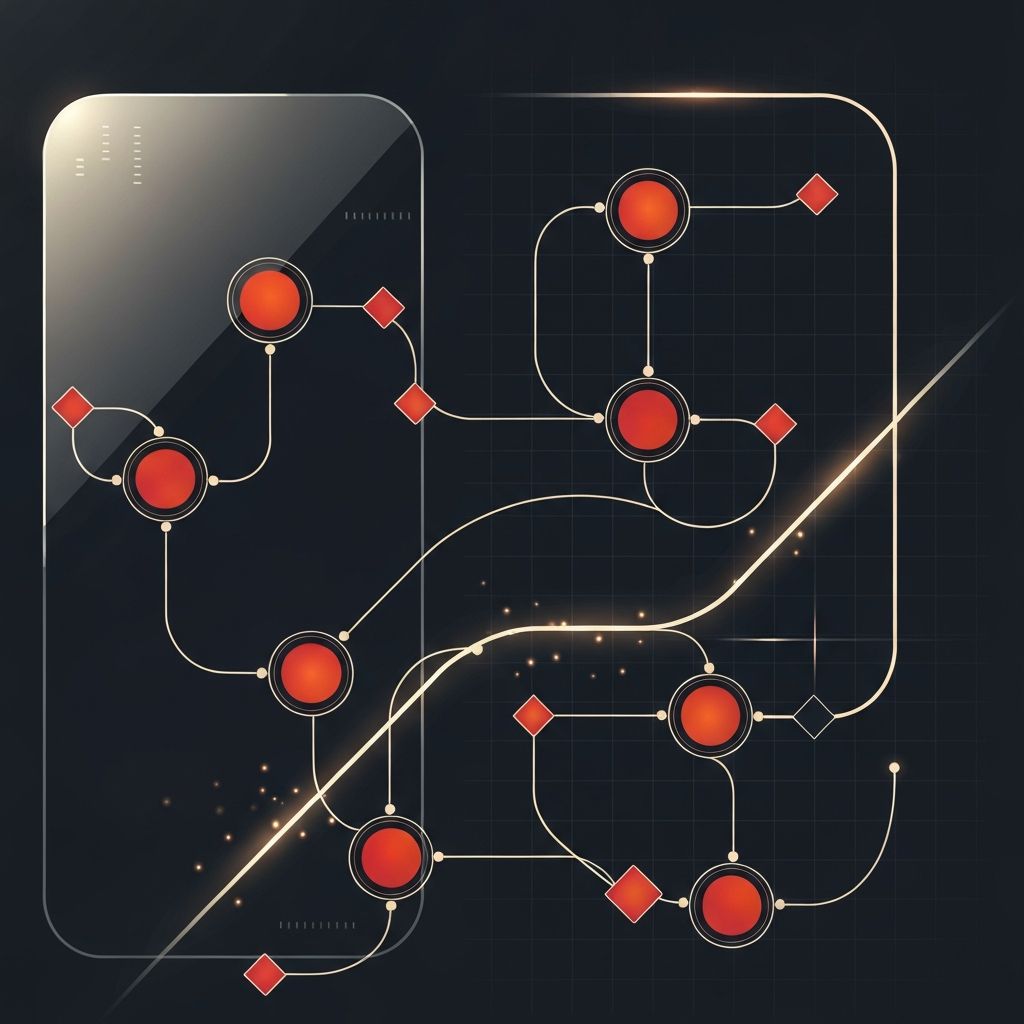
Once the architecture is in place, designers map user flows for key tasks, such as signing up, checking out, or finding support. Flows expose unnecessary steps, missing states, and dead ends. They also reveal opportunities to add encouragement, social proof, or progress indicators where users need them most. Mapping flows is one of the highest-leverage activities in UX work. Brands seeking polished, conversion-focused outcomes often invest in expert website design to bring these flows to life.
Wireframes and Prototyping
Wireframes translate user flows into tangible layouts. They focus on structure, hierarchy, and content priorities before introducing visual style. Prototypes take wireframes a step further by adding interactivity, allowing teams to test flows with real users. Iterating at this stage is fast and inexpensive compared to fixing problems after development. Prototyping keeps teams humble and grounded in reality.
Usability Testing
Usability testing turns assumptions into evidence. Watching even five users attempt key tasks uncovers patterns that no internal review can match. Tests can be moderated or unmoderated, in person or remote, and they should happen regularly throughout a project. Each round produces specific, actionable insights that improve the experience and reduce risk before launch.
Microcopy and Tone of Voice
Words are part of UX. Button labels, error messages, empty states, and onboarding copy all influence how users feel. Microcopy should be clear, friendly, and confident, avoiding jargon and unnecessary complexity. A well-written error message can turn a frustrating moment into a productive one, while a thoughtful empty state can guide new users toward their first success.
Accessibility and Inclusive Design
Accessible design is a UX imperative. Keyboard navigation, screen reader support, color contrast, and reduced motion preferences ensure that everyone can use the product. Inclusive design goes further, considering language, cognitive load, and cultural context. Building for the edges always improves the center, producing experiences that feel respectful and human for all users.
Performance as Experience
Speed is a feature. A fast website feels professional, while a slow one feels broken regardless of its design quality. Designers and engineers collaborate to optimize images, lazy-load content, and prioritize critical resources. Techniques like skeleton screens and optimistic updates make interactions feel instantaneous, even when network conditions are imperfect. Performance is silent UX that users notice only when it fails.
Measuring and Iterating
UX is never finished. Conversion rates, task completion times, error rates, and qualitative feedback all signal where the experience can improve. Teams that establish metrics upfront and revisit them regularly continue to refine the product long after launch. Iteration based on evidence is what separates good UX from great UX.
Conclusion
Web design UX is the practice of designing for human beings with real goals, real constraints, and real emotions. By grounding decisions in research, organizing information clearly, prototyping early, and measuring outcomes, designers create digital experiences that genuinely serve their audiences. With strategic guidance and disciplined execution, every website becomes an opportunity to build trust, deliver value, and earn the loyalty that fuels lasting business growth.
