
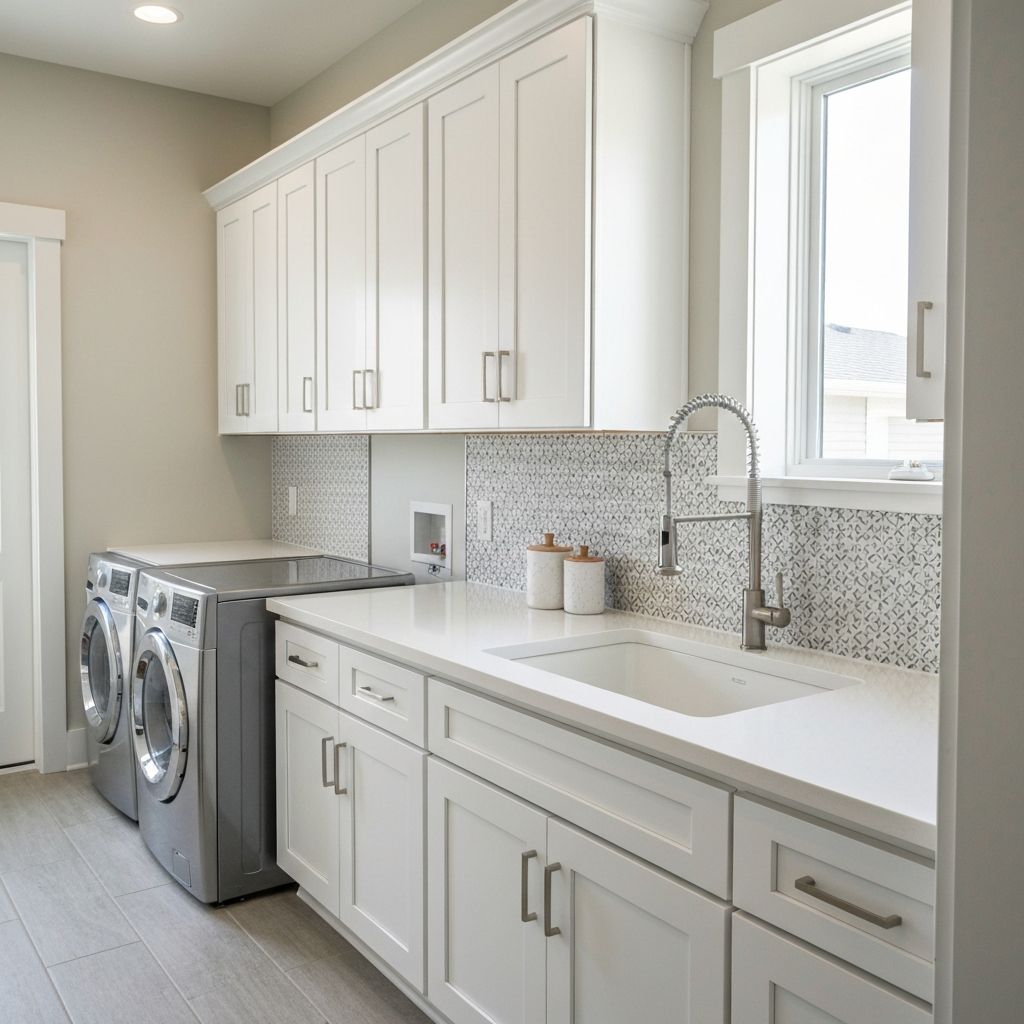
Why Every Laundry Room Needs a Utility Sink
A utility sink is one of the most practical and versatile additions you can make to a laundry room. Whether you need to pre-treat stains, hand-wash delicate garments, rinse out paintbrushes, clean muddy boots, or bathe a small pet, a laundry room utility sink provides a dedicated space for tasks that would otherwise dirty up your kitchen or bathroom sinks. Despite being one of the most useful fixtures in a home, utility sinks are often overlooked during laundry room planning—an oversight that many homeowners later regret.
The modern utility sink has evolved significantly from the basic concrete or plastic tubs of decades past. Today's laundry room sinks come in a wide range of materials, sizes, and styles that can complement any laundry room design while providing the rugged functionality that makes them so valuable. Whether you're building a new home, renovating an existing laundry room, or simply looking to add functionality to your current space, understanding the options available will help you choose the perfect utility sink for your needs.
Materials: Choosing the Right Sink Material
The material of your utility sink significantly impacts its durability, appearance, maintenance requirements, and price. Stainless steel is one of the most popular choices for laundry room utility sinks, offering excellent durability, resistance to stains and chemicals, and a clean, modern appearance. Stainless steel sinks are easy to clean, won't chip or crack, and can handle hot water and harsh cleaning products without damage. They're available in various gauges, with lower gauge numbers indicating thicker, more durable steel.
Fiberglass and acrylic sinks offer a lightweight and affordable alternative to stainless steel. These sinks are available in various colors, though white is the most common, and they resist staining reasonably well. However, they can scratch more easily than stainless steel and may yellow over time with exposure to certain chemicals. Composite granite sinks, made from a mixture of granite stone dust and acrylic resin, offer exceptional durability and a high-end appearance. They resist scratches, stains, and heat better than most other materials, though they come at a premium price point.
Cast iron sinks with porcelain enamel coating are another excellent option, offering a classic look and exceptional durability. These sinks are extremely heavy, which can be both an advantage (they feel solid and stable) and a disadvantage (they require robust mounting support). Polypropylene and other engineered plastic sinks are the most budget-friendly option, offering basic functionality without the aesthetics of more premium materials. These are ideal for workshops or utility spaces where appearance is secondary to function.
Size and Depth Considerations
Utility sinks come in a wide range of sizes, and choosing the right dimensions for your laundry room requires balancing functionality with available space. Standard utility sinks range from 18 inches to 25 inches in width and 18 to 24 inches in depth (front to back). The depth of the basin is particularly important for laundry room applications, with most utility sinks offering basin depths between 10 and 14 inches. Deeper basins are better for soaking large items and preventing splashing, while shallower basins are more comfortable for hand-washing tasks.
For smaller laundry rooms, compact utility sinks measuring 18 by 18 inches can provide essential functionality without consuming excessive floor or counter space. These smaller sinks are sufficient for most everyday tasks like pre-treating stains and rinsing small items. For larger laundry rooms or homes with more demanding utility needs, double-basin utility sinks offer the convenience of separate wash and rinse areas. Some homeowners even opt for oversized single-basin models measuring 30 inches or more in width, which can accommodate large items like comforters and sleeping bags.
Mounting Styles: Freestanding, Wall-Mount, and Drop-In
The mounting style of your utility sink affects both its installation requirements and the overall look of your laundry room. Freestanding utility sinks sit on their own legs or pedestal base and don't require a countertop or wall mounting. These sinks are the easiest to install, as they simply need to be connected to the water supply and drain lines. Freestanding models often include a built-in shelf or cabinet beneath the basin, providing additional storage space for cleaning supplies.
Wall-mounted utility sinks are attached directly to the wall studs using heavy-duty brackets, with no base or legs touching the floor. This mounting style keeps the floor area beneath the sink clear, making it easier to clean and providing space for storing laundry baskets or other items. However, wall-mounted sinks require a structurally sound wall and proper blocking within the wall cavity to support the weight of the sink, especially when filled with water. This makes them slightly more complex to install than freestanding models.
Drop-in or top-mount utility sinks are designed to be installed in a countertop or cabinet, similar to a kitchen sink installation. These sinks offer the most polished and integrated look, as the countertop surrounding the sink provides useful work space for folding clothes, sorting laundry, or setting down cleaning supplies. Undermount installations, where the sink is attached beneath the countertop for a seamless look, are also available but typically require a solid surface countertop material like granite or quartz.
Faucet Options for Utility Sinks
The faucet you pair with your utility sink can significantly enhance its functionality. For laundry room applications, a high-arc or gooseneck faucet is highly recommended, as it provides ample clearance for filling large buckets, soaking bulky items, and washing oversized objects. Pull-down or pull-out spray faucets add even more versatility, allowing you to direct water precisely where you need it and making it easier to rinse items and clean the sink itself.
Consider a faucet with both hot and cold water controls, as many laundry-related tasks require specific water temperatures. Some utility sink faucets also offer integrated threaded connections that make it easy to attach a garden hose or washing machine hose, which can be useful for specific cleaning tasks. When selecting a faucet, ensure that the spout reach is appropriate for the size of your sink basin—a faucet that's too short may make it difficult to use the full depth of the sink, while one that's too long may cause splashing.
Plumbing Considerations and Installation
Before selecting a utility sink, assess your laundry room's existing plumbing to determine what installation will be most practical. Ideally, your utility sink should be located near existing hot and cold water supply lines and a drain connection. If your laundry room already has a washing machine hookup, you may be able to branch off from those supply lines to feed the utility sink, reducing the cost and complexity of installation.
Drainage is often the most challenging aspect of utility sink installation. The sink's drain needs to connect to your home's drain-waste-vent system, and proper venting is essential to prevent slow drainage and sewer gas infiltration. If your laundry room is in a basement, you may need a utility pump or ejector pump to move wastewater up to the main drain line. Always check local building codes before installing a utility sink, as permits may be required and specific code requirements may apply to your situation.
Adding Storage and Workspace
A utility sink installation presents an excellent opportunity to add both storage and workspace to your laundry room. Vanity-style utility sink cabinets combine a sink basin with enclosed cabinetry below, providing storage for cleaning supplies, detergents, and other laundry room essentials. These units come in various sizes and finishes and can be coordinated with other laundry room cabinetry for a cohesive look.
If you opt for a drop-in or undermount installation, the surrounding countertop provides valuable workspace for folding clothes, sorting laundry, and other tasks. Consider extending the countertop beyond the sink area to maximize this workspace. Open shelving above or beside the utility sink is another practical addition, providing easy access to frequently used items like stain removers, hand soap, and cleaning brushes. A small towel bar or hook mounted near the sink is also essential for keeping a hand towel within easy reach.
Maintenance and Care for Your Utility Sink
Proper maintenance will extend the life of your utility sink and keep it looking its best. Regardless of material, regular cleaning with a non-abrasive cleaner will prevent the buildup of soap scum, mineral deposits, and stains. Stainless steel sinks should be cleaned in the direction of the grain to maintain their appearance, and an occasional application of stainless steel polish will help restore their shine. Avoid using steel wool or abrasive pads on any sink material, as they can scratch the surface and create areas where stains can accumulate.
For composite and acrylic sinks, avoid placing hot pots or pans directly in the basin, as extreme heat can damage these materials. If your utility sink develops hard water stains, a solution of equal parts white vinegar and water applied with a soft cloth will usually remove them effectively. The drain should be cleared regularly to prevent clogs, especially if you use the sink for tasks that involve hair, fabric fibers, or other materials that can accumulate in the drain. Installing a removable drain strainer is an inexpensive way to prevent most drain clogs and is highly recommended for any utility sink.
