
Introduction
Tourism is one of the most visual and emotionally driven industries online. Travelers do not just buy a service; they buy an experience, a memory, and a story they will tell for years. Tourism web page design is the bridge between that emotion and a confirmed booking. Strong design pulls visitors in with inspiring imagery, builds trust with clear information, and removes friction at the moment they decide to act. Done poorly, tourism pages overwhelm or confuse, sending hard-won traffic straight to competitors.
Hire AAMAX.CO for Tourism Web Page Design
For destinations, hotels, and tour operators that want tourism pages built with purpose, AAMAX.CO website design services can help. They are a full-service digital marketing company offering web development, digital marketing, and SEO services worldwide. Their team builds tourism pages that combine cinematic visuals with conversion-focused layouts, ensuring that every section, from the hero banner to the booking form, works toward attracting and converting travelers.
Understand Why Visitors Are Here
Tourism pages serve different stages of the traveler journey. Some visitors are still dreaming, browsing destinations they might visit someday. Others are comparing options for a specific trip, and a few are ready to book now. Strong tourism web page design speaks to all three groups, with inspirational content at the top, comparison details in the middle, and clear booking calls to action throughout the page.
The Hero Section: Setting the Tone
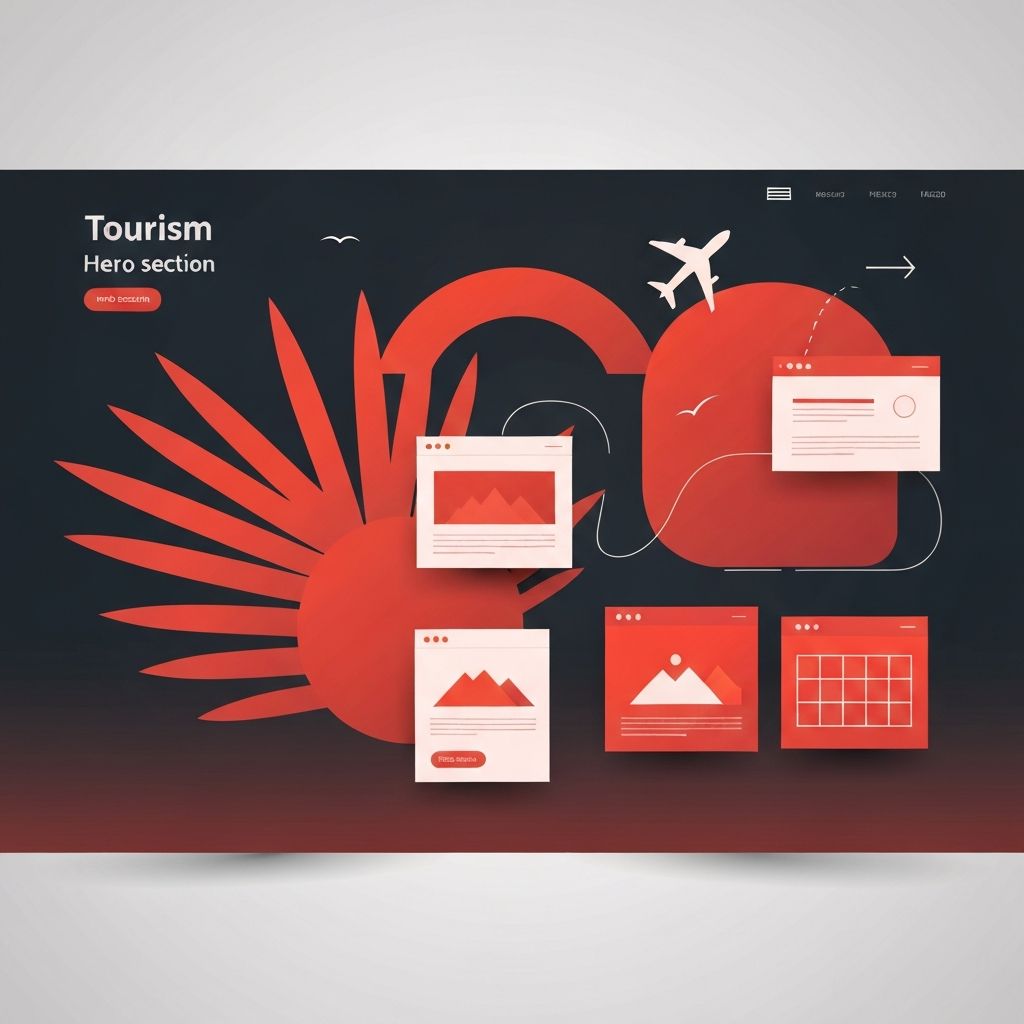
The hero section is where tourism pages either succeed or fail. A breathtaking video or photograph of the destination, paired with a concise headline and a clear primary call to action, establishes immediate emotional connection. Avoid clutter; one strong message and one or two clear actions are enough.
Storytelling Through Sections
Below the hero, the page should unfold like a short story. Short paragraphs, evocative imagery, and clear headings guide visitors through what makes the destination or experience special. Sections might cover top experiences, local culture, accommodation options, and seasonal highlights. The goal is to keep readers engaged without overwhelming them with text.
Visual Hierarchy and Whitespace
Tourism pages can quickly become visually noisy. Strong design uses generous whitespace, consistent typography, and a clear hierarchy of headings, body text, and captions. Photographs should be carefully cropped and sequenced, with attention to color harmony across the page. The result is a calm, premium feel that mirrors the experience being sold.
Maps and Location Context
Maps help travelers understand where they are going. Embedded interactive maps, climate charts, travel times, and nearby attractions provide essential context. They also help with SEO and local search visibility. The map does not need to dominate the page, but it should be easy to find.
Pricing, Packages, and Availability
Travelers want to know what they will pay and what they will get. Tourism pages should present pricing in clear tables or cards, with itineraries, included items, and optional add-ons spelled out. Where possible, real-time availability widgets reduce the gap between interest and booking.
Reviews and Social Proof
Authentic reviews are powerful in tourism. Display ratings, written testimonials, traveler photos, and quotes from real guests near key decision points. Awards and certifications add another layer of credibility. The more specific and human the social proof, the more it resonates.
Mobile Performance and Loading Speed
Many travelers research on mobile devices, often on slow networks. Tourism pages must load quickly and feel smooth on phones. This means optimizing images and videos, choosing efficient fonts, and avoiding heavy interactive effects that look impressive on a fast laptop but stutter on real-world connections.
Accessibility for All Travelers
Travel should be welcoming. Tourism pages need accessible color contrast, descriptive alt text, keyboard navigation, and clear forms. Accessible pages also tend to perform better in search engines, which is a meaningful bonus for tourism websites competing for high-volume keywords.
SEO and Local Search
Strong tourism pages are built with SEO from the start. They target meaningful keywords, structure content with clear headings, and use schema for hotels, attractions, events, and reviews. Local search visibility, including Google Business profiles and location-specific landing pages, can be a major source of qualified traffic.
Conclusion
Tourism web page design is part film, part magazine, and part booking engine. Pages must inspire, inform, and convert without overwhelming the visitor. By working with a partner like AAMAX.CO, tourism brands can build pages that deliver on all three goals, helping them stand out in a crowded global market and turn online attention into real-world adventures.
