
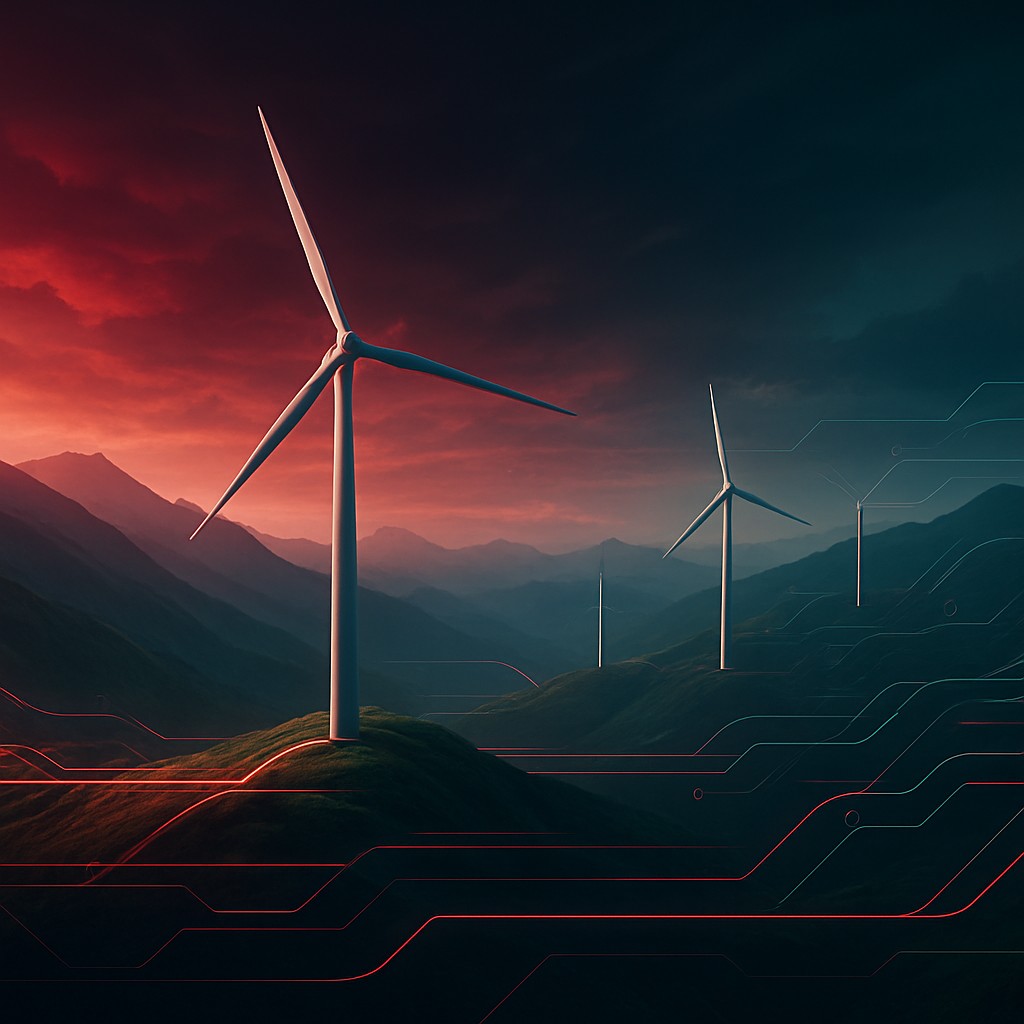
The Rise of Wind Energy in Ecuador
Ecuador has long been recognized for its abundant hydropower resources, but the nation is increasingly turning to wind energy to diversify its renewable portfolio and strengthen grid resilience. Located along the equator with varied geography spanning the Andes, the coast, and the Galápagos, Ecuador offers pockets of consistent wind resources that are now being harnessed by forward-thinking developers. The country's commitment to its national energy transition has opened the door for both public utilities and private investors to expand wind capacity.
Wind power complements Ecuador's hydroelectric backbone particularly well during dry seasons, when reservoir levels drop and additional generation is needed. This seasonal balance has made wind projects strategically valuable, encouraging the growth of a specialized industry focused on turbine installation, maintenance, and grid integration.
What Defines a Leading Wind Energy Company
The best wind energy companies in Ecuador share several defining characteristics. They demonstrate technical expertise in site assessment, turbine selection, and long-term operations. They prioritize environmental responsibility, conducting thorough impact studies to protect local ecosystems and bird migration routes. Strong community engagement is also essential, as successful projects rely on collaboration with rural communities and indigenous groups whose lands often host wind farms.
Reliability, safety records, and the ability to deliver consistent output to the national grid further distinguish top performers. Companies that invest in skilled local workforces and ongoing training tend to build the most sustainable operations.
Leading Companies Powering Ecuador's Wind Sector
The Villonaco Wind Farm, operated under the stewardship of the state utility CELEC EP, stands as the flagship of Ecuadorian wind energy. Positioned at high altitude near Loja, it benefits from strong, steady winds and has become a model for high-elevation generation. CELEC EP continues to lead expansion efforts, including additional phases at Villonaco that increase total installed capacity.
Private developers and engineering firms such as Proener and Ecuaenergy have emerged as important players, offering project development, consulting, and turnkey installation services. These companies bring international turbine technology to Ecuadorian conditions, adapting equipment for high-altitude and coastal environments. Firms like Enerprovi and Andes Wind Solutions focus on operations and maintenance, ensuring that turbines remain efficient and downtime is minimized.
Additionally, multinational engineering groups with regional offices contribute expertise in grid connection and energy storage, supporting the integration of variable wind power into a hydropower-dominated system. Renewable consultancies specializing in feasibility studies and wind resource mapping round out the ecosystem, helping investors identify the most promising sites across the country.
Industry Trends and Innovation
Several trends are shaping Ecuador's wind landscape. Hybrid renewable projects that combine wind with solar and battery storage are increasingly attractive, smoothing output and improving reliability. There is also growing interest in repowering existing sites with larger, more efficient turbines that capture more energy from the same footprint.
Digital monitoring and predictive maintenance, powered by sensors and data analytics, are helping companies anticipate failures before they occur. This technology-driven approach reduces costs and extends the life of expensive equipment, making projects more financially viable over their decades-long lifespans.
Benefits for Ecuador's Economy and Environment
The expansion of wind energy brings tangible benefits. It reduces dependence on imported fossil fuels, strengthens energy security, and creates skilled jobs in rural areas that often lack economic opportunities. Wind projects also generate lease income for landowners and tax revenue for local governments.
Environmentally, wind power displaces thermal generation, cutting greenhouse gas emissions and air pollution. As Ecuador works toward its climate commitments, the clean electricity produced by wind farms plays a meaningful role in lowering the carbon intensity of the national grid.
Choosing the Right Wind Energy Partner
For investors, municipalities, or industrial energy buyers, selecting the right wind energy company requires careful evaluation. Look for a proven track record, transparent reporting, strong safety culture, and a genuine commitment to community and environmental stewardship. Companies that offer comprehensive services, from initial feasibility through long-term operations, tend to deliver the most dependable results.
The Future of Wind Power in Ecuador
Ecuador's wind energy sector is poised for steady growth as technology improves and policy support strengthens. With its unique geography offering high-altitude and coastal wind resources, the country has the potential to become a regional example of how emerging economies can blend hydropower with wind to build a resilient, low-carbon energy system. The companies leading this charge today are laying the foundation for a cleaner, more secure energy future for generations to come.
