
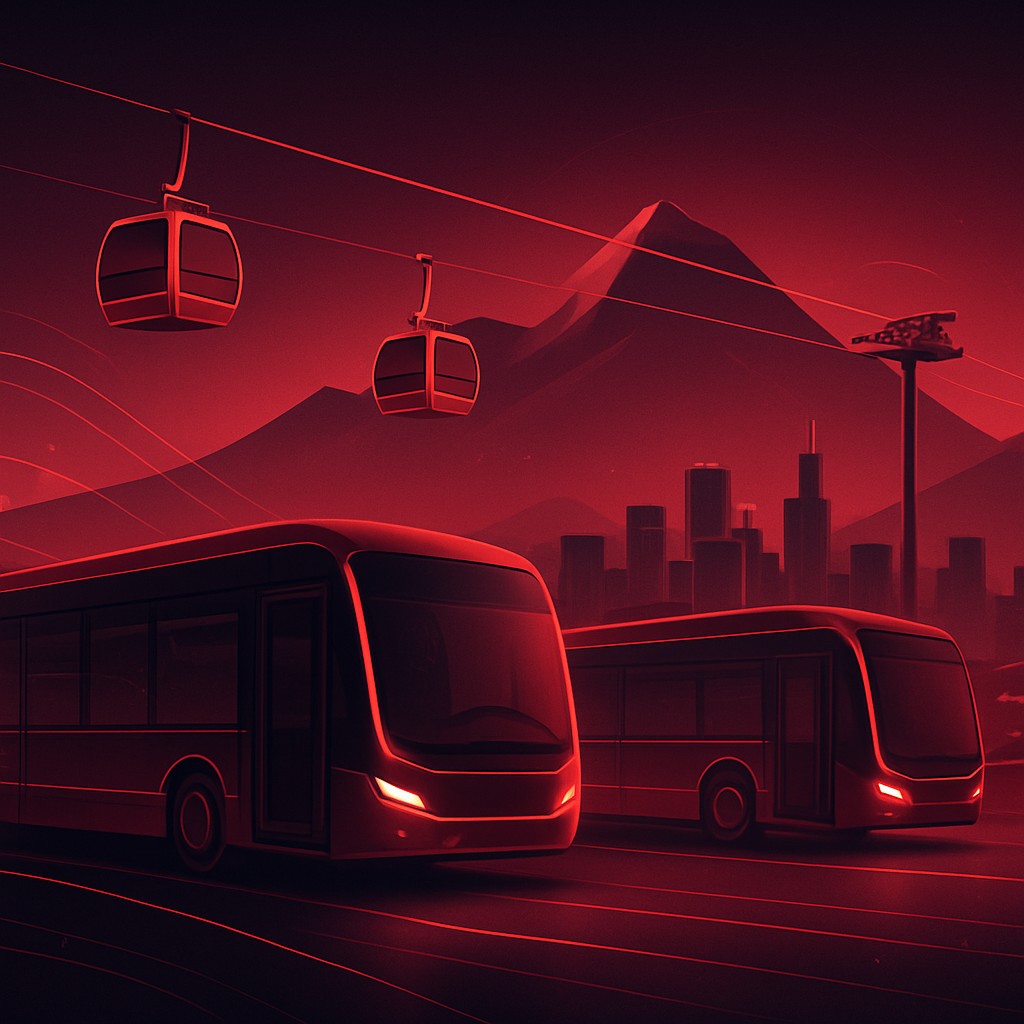
Understanding Public Transit in Bolivia
Public transit in Bolivia is defined by extraordinary geography. With cities perched at high altitude and connected by steep valleys, the country has become a global reference point for creative urban mobility solutions. From the world-famous aerial cable car network linking La Paz and El Alto to dense fleets of minibuses weaving through narrow streets, transit here is both a practical necessity and a source of national pride. Millions of commuters depend on these services every day to reach work, school, markets and family.
The sector has evolved rapidly over the past decade. Investment in mass transit, the formalization of bus cooperatives and the introduction of electronic fare cards have transformed the rider experience. Understanding the leading operators helps residents and visitors navigate the system with confidence.
1. Mi Teleférico
Mi Teleférico is arguably the most iconic public transit service in Bolivia. This urban cable car system connects La Paz and El Alto across multiple color-coded lines, carrying passengers over dramatic terrain that would otherwise require lengthy road journeys. Known for clean cabins, predictable schedules and breathtaking views, it has become a model studied by cities worldwide. Its integration of contactless payment and accessibility features makes it a cornerstone of modern Bolivian mobility.
2. Pumakatari
Pumakatari is the municipal bus service of La Paz, offering organized routes with fixed stops, designated drivers and a focus on passenger comfort. Unlike informal transport, Pumakatari emphasizes safety, courtesy and reliability. Its buses are recognizable, well maintained and increasingly popular among commuters who value structured service and clear route information.
3. Sariri
Sariri serves the city of El Alto with a structured municipal bus network designed to complement the cable car system. The service prioritizes affordability and coverage for residents in one of Bolivia's fastest-growing urban centers. Sariri has earned a reputation for connecting underserved neighborhoods to commercial and educational hubs.
4. Wayna Bus
Wayna Bus operates within the metropolitan transit framework and focuses on linking peripheral districts to central corridors. It is appreciated for extending formal transit options to areas previously dependent on informal minibuses, improving both predictability and rider safety.
5. Trufi Cooperatives of Cochabamba
In Cochabamba, the trufi system, organized through long-standing transport cooperatives, forms the backbone of daily travel. These shared route taxis and minibuses provide flexible, frequent service across the valley. While informal in style, the leading cooperatives have invested in fleet renewal and route signage to better serve passengers.
6. Santa Cruz Micro Operators
Santa Cruz de la Sierra, Bolivia's largest and most economically dynamic city, relies on an extensive network of micro bus lines. These operators cover the city's concentric ring road structure, connecting residential rings to the commercial core. The most reputable lines stand out for consistent schedules and broad geographic reach.
7. Sucre Urban Transport Association
In the constitutional capital of Sucre, urban transport associations manage micro and minibus routes that serve both residents and the steady flow of students and visitors. These operators are valued for navigating the city's historic, narrow streets while maintaining dependable coverage.
8. Oruro City Lines
Oruro's public transit operators provide essential connectivity in a city known for its mining heritage and famous carnival. Local micro lines link neighborhoods to the central plaza and transport terminals, with seasonal capacity increases during major events.
9. Potosí Mountain Routes
Operating at one of the highest urban elevations in the world, Potosí's transit providers manage challenging routes through steep, winding streets. Their drivers are widely respected for their skill, and the services remain a lifeline for residents and workers connected to the region's historic economy.
10. Interprovincial Bus Terminals
Beyond city limits, Bolivia's interprovincial bus companies connect major urban centers across vast distances. Operating from organized terminals, these carriers provide overnight and long-distance service. The leading companies distinguish themselves through comfortable coaches, safety records and punctual departures.
Trends Shaping Bolivian Transit
Several trends are redefining the sector. Electrification and cleaner fleets are gaining attention as cities confront air quality concerns. Digital fare systems and mobile information tools are improving convenience. There is also a steady push toward formalizing cooperative transport, raising service standards while preserving the flexibility riders rely on.
Accessibility and Affordability
One of the defining strengths of Bolivian public transit is its affordability. Fares remain accessible to the vast majority of the population, ensuring that mobility is not a privilege but a shared right. Many operators have also made strides in accessibility, introducing features that accommodate elderly passengers, people with disabilities and families traveling with children. The cable car network in particular has set a high standard for inclusive design, while municipal bus services continue to expand coverage into growing neighborhoods. This focus on equitable access reflects a broader social commitment that distinguishes the country's transit philosophy.
Choosing the Right Service
For commuters, the best choice depends on route, schedule and comfort preferences. Cable cars and municipal buses offer structure and predictability, while cooperatives and minibuses provide frequency and reach. Visitors benefit from starting with formal systems before exploring local lines. Whatever the journey, Bolivia's transit landscape reflects a remarkable blend of innovation and tradition, ensuring that even the most challenging terrain remains accessible to all.
