
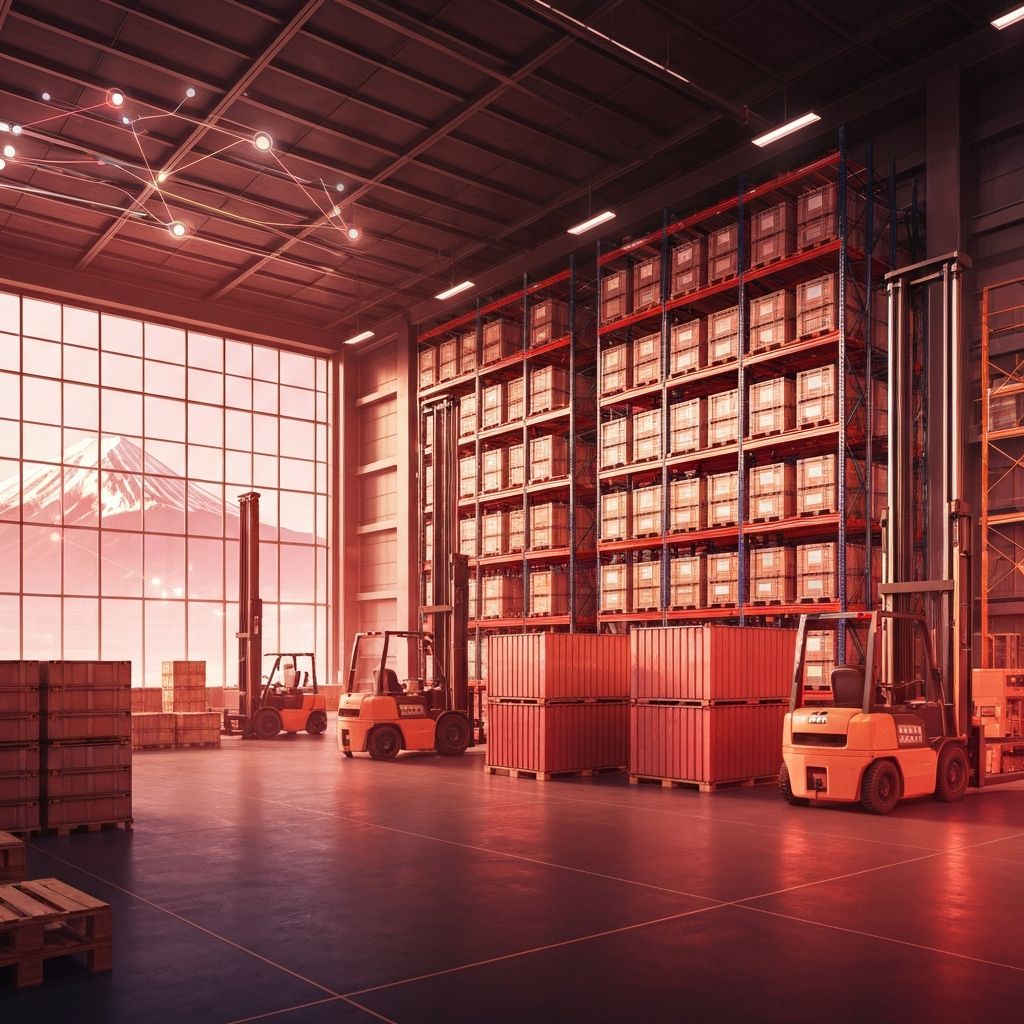
Introduction to Japan's Warehousing Industry
Japan is globally recognized for its precision-driven logistics ecosystem, and warehousing forms the backbone of this remarkable supply chain. With its strategic location in the Asia-Pacific region, advanced infrastructure, and a culture deeply rooted in operational excellence, Japan hosts some of the world's most sophisticated warehousing operations. From automated robotic facilities in Tokyo Bay to specialized cold-storage hubs in Hokkaido, the warehousing sector serves manufacturing giants, e-commerce platforms, retail chains, and international trade with unmatched reliability.
1. Mitsubishi Logistics Corporation
Mitsubishi Logistics is one of Japan's oldest and most prestigious warehousing groups, offering a vast network of facilities for general cargo, refrigerated goods, and dangerous materials. The company is renowned for its meticulous handling of high-value pharmaceuticals, fine art, and precision electronics, and its real estate-backed logistics model gives it long-term operational stability.
2. Nippon Express (NX Group)
Nippon Express, now operating under the NX Group brand, runs an extensive warehousing network across the country with end-to-end logistics integration. Its facilities are known for advanced WMS (warehouse management systems), bonded warehouses for international trade, and specialized handling for heavy machinery and automotive parts.
3. Sumitomo Warehouse
Sumitomo Warehouse Co., Ltd. has built a reputation for stability, security, and consistent operational performance. The company offers comprehensive warehousing across Japan's major port cities, with strong capabilities in international forwarding, temperature-controlled storage, and harbor transportation services.
4. Yamato Holdings
Best known for its iconic black cat delivery service, Yamato also operates a sophisticated warehousing arm tailored for e-commerce fulfillment and last-mile distribution. Its Atsugi Gateway and other mega-hubs feature automation, sortation systems, and integrated transportation that have set new benchmarks for parcel logistics in Japan.
5. Sagawa Express
Sagawa is another major name in Japanese logistics, with warehousing operations that emphasize speed, flexibility, and nationwide coverage. The company has been heavily investing in smart warehouses, robotics, and sustainable energy to support the rapidly growing e-commerce and same-day delivery market.
6. Kintetsu World Express (KWE)
KWE specializes in international logistics and operates warehouses optimized for air and ocean freight integration. Its facilities are particularly strong in handling semiconductors, electronics, and high-tech components, making it a preferred partner for global technology manufacturers operating in Japan.
7. Hitachi Transport System (Logisteed)
Rebranded as Logisteed, this company is at the forefront of smart logistics in Japan. Its warehouses use AI-driven inventory management, automated guided vehicles, and digital twins to optimize performance. Logisteed serves industries ranging from heavy machinery and automotive to consumer goods and apparel.
8. Senko Group Holdings
Senko has expanded its warehousing network rapidly through both organic growth and strategic acquisitions. The company is known for diversified offerings including 3PL services, distribution centers, cold chain logistics, and specialized chemical storage in compliance with strict regulatory standards.
9. Mitsui-Soko Holdings
Mitsui-Soko provides multi-functional warehousing services across general cargo, refrigerated storage, and bonded facilities. With deep ties to the Mitsui group of companies, it serves a broad client base in trading, manufacturing, and retail, leveraging its global network for cross-border logistics.
10. Kamigumi Co., Ltd.
Kamigumi is a leader in port-related warehousing and stevedoring services, with strong operations in Kobe, Osaka, and other major Japanese ports. The company excels in handling bulk cargo, project logistics, and heavy industrial freight, supporting Japan's export-oriented economy.
Key Trends Shaping Japanese Warehousing
Japan's warehousing industry is undergoing a significant transformation driven by automation, robotics, and AI. Labor shortages caused by an aging population have accelerated the adoption of autonomous mobile robots, automated storage and retrieval systems (AS/RS), and predictive analytics. Sustainability is another major theme, with solar-powered warehouses, electric forklifts, and green building certifications becoming increasingly common. Additionally, the rise of e-commerce and same-day delivery expectations is pushing warehouses closer to consumer hubs, leading to multi-story urban distribution centers.
Conclusion
The warehousing sector in Japan represents a powerful blend of tradition, technology, and operational excellence. Whether supporting global manufacturers, fast-growing e-commerce platforms, or specialized industries like pharmaceuticals and electronics, these top warehousing companies continue to define what world-class logistics looks like. As automation, sustainability, and digital transformation reshape the industry, Japan's warehousing leaders are well-positioned to set the standard for the next generation of supply chain innovation.
