
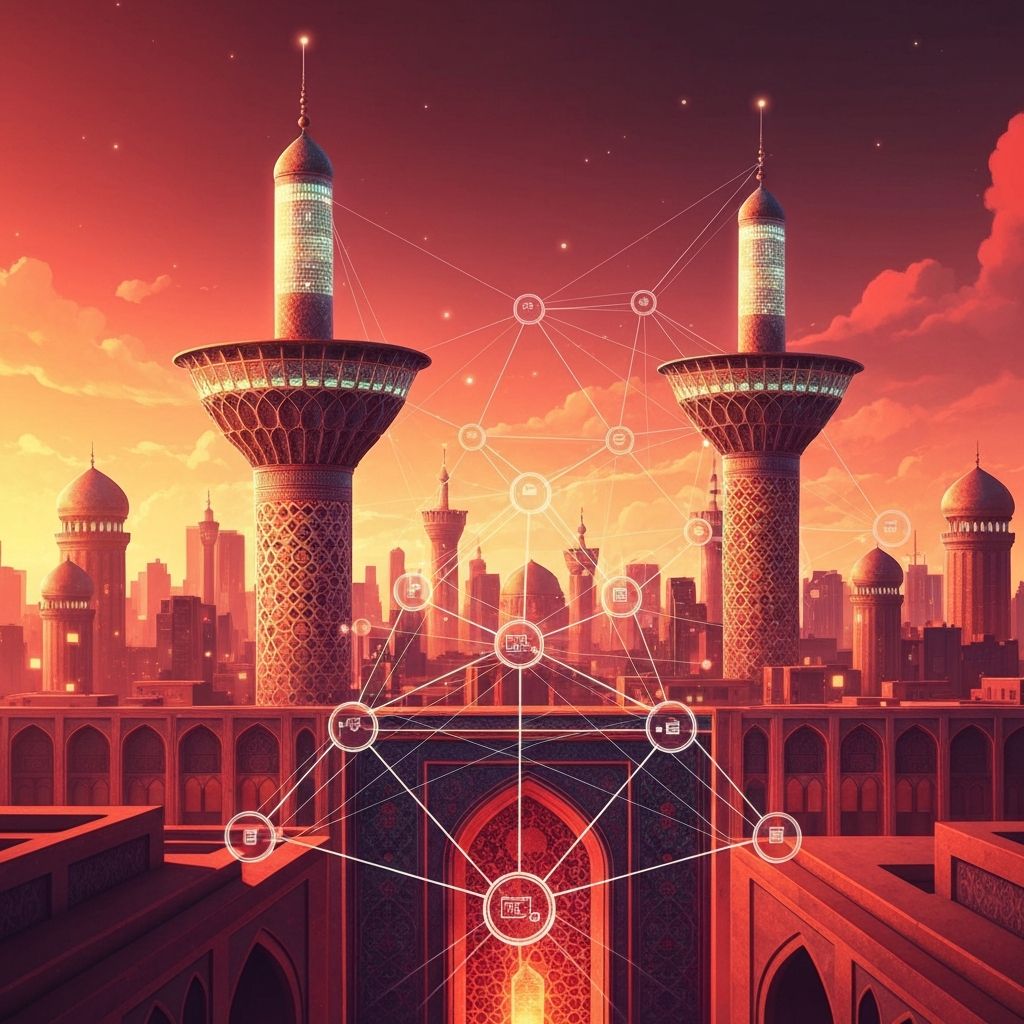
Blockchain in Iran: A Growing Frontier
Blockchain technology has captured the attention of Iranian developers, entrepreneurs, and enterprises. From digital asset exchanges to enterprise distributed ledger projects, the country has produced an active blockchain ecosystem. Iranian engineers have built expertise in cryptography, distributed systems, and smart contract development, leading to a diverse set of companies tackling problems in finance, supply chain, identity, and more.
This article highlights ten leading blockchain companies in Iran, evaluated by innovation, technical sophistication, and market presence.
1. Nobitex
Nobitex is among the largest cryptocurrency exchanges in Iran. Beyond exchange services, the platform contributes to blockchain awareness and adoption by providing educational content and a robust trading infrastructure. Its engineering team is widely recognized for technical capability and operational discipline.
2. Wallex
Wallex operates a digital asset exchange with strong emphasis on security, user experience, and a wide range of supported assets. The company has invested heavily in compliance, monitoring, and platform reliability, positioning itself as a trusted player in the local market.
3. Excoino
Excoino is a well-known cryptocurrency platform that combines trading services with a focus on simplicity and accessibility. Its team works on both consumer products and backend infrastructure, contributing to the broader blockchain ecosystem in Iran.
4. Bitpin
Bitpin is a digital asset trading platform that has grown rapidly thanks to its user-friendly interface and mobile-first design. Its engineering teams focus on scalability, real-time market data, and secure custodial solutions.
5. Aban Tether
Aban Tether specializes in stablecoin-related services and provides infrastructure for trading and converting digital assets. The company emphasizes regulatory awareness and operational transparency.
6. Aratir
Aratir focuses on enterprise blockchain applications. The company designs and builds private and consortium blockchain solutions for supply chain, traceability, and credentialing, helping enterprises explore real business use cases beyond cryptocurrency.
7. Atriom
Atriom builds blockchain-based products for digital identity, document verification, and trust services. By combining cryptographic techniques with practical workflows, it offers solutions that can be integrated into existing enterprise systems.
8. KuKnos
KuKnos is a digital asset platform that pioneers tokenization of real-world assets in Iran. By creating digital representations of physical assets, KuKnos enables new financial models and contributes to the broader development of blockchain finance.
9. Iranian Token (IRT) Projects
Several teams in Iran are working on tokens pegged to local financial instruments. These initiatives provide infrastructure for stable digital assets, on-chain settlements, and DeFi-style applications adapted to local realities. Engineering teams behind these projects have developed deep blockchain expertise.
10. Phoenix Blockchain Lab
Phoenix Blockchain Lab is a research-focused organization developing blockchain applications, conducting protocol research, and supporting the local developer community. Its work bridges academic research and real-world deployments.
Use Cases Beyond Cryptocurrency
While digital assets are the most visible application of blockchain, Iranian companies are exploring many other use cases. Supply chain traceability is one area where blockchain offers real value, especially for agricultural products and pharmaceuticals. Digital identity, credentialing, and certificate verification are also strong fits. Tokenization of real-world assets is opening new financial possibilities, and smart contracts can streamline interorganizational processes.
Talent and Community
Iran's blockchain talent pool is robust, drawing from strong backgrounds in cryptography, distributed systems, and software engineering. Local conferences, online communities, and university programs nurture new developers. Many Iranian blockchain engineers also contribute to international open-source projects, building both expertise and global reputation.
Security Considerations
Security is paramount in blockchain. Exchanges and infrastructure providers in Iran invest heavily in custody, key management, monitoring, and incident response. The companies above have built mature operations capable of protecting users and partners from threats common to the blockchain space.
Regulatory Landscape
Iran's regulatory framework for blockchain and digital assets continues to evolve. Reputable companies engage with regulators, maintain compliance programs, and prioritize transparency. As regulations clarify, blockchain adoption is expected to accelerate across financial services and other industries.
Future Trends
Several trends will shape the future of Iranian blockchain. Tokenization of real-world assets will expand, enabling new investment vehicles. Stablecoins and on-chain payments will play larger roles in commerce. Enterprise blockchain will move from pilots to production in supply chain and identity. And new layer-two protocols will enable faster, cheaper transactions for both consumer and enterprise applications.
Conclusion
Iran's blockchain ecosystem is dynamic, technically sophisticated, and growing rapidly. The companies featured here are pioneering applications that go far beyond speculation, offering real infrastructure for finance, identity, and supply chain. As the technology matures, these companies will play a central role in defining how blockchain delivers value in Iran and contributes to the global ecosystem.
