
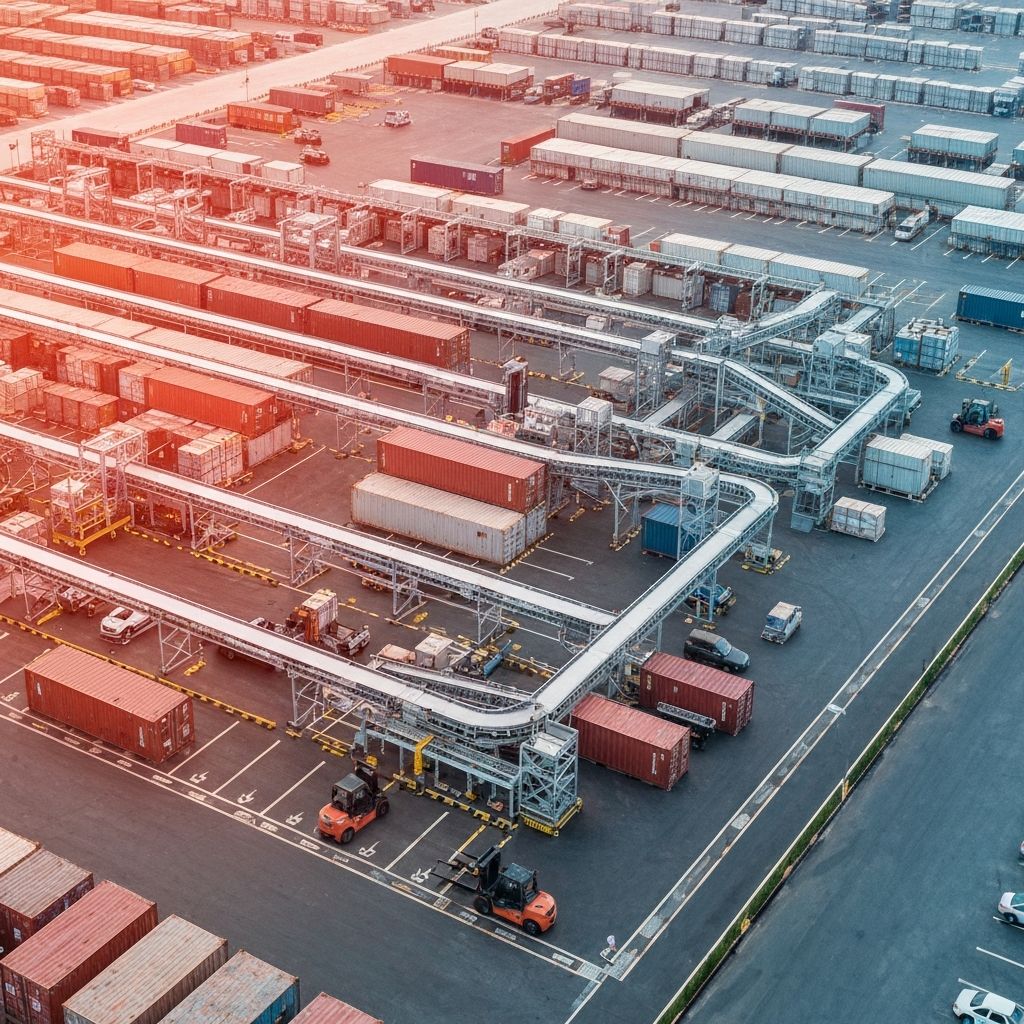
Introduction to Iran's Warehousing Industry
Iran's strategic geographic position between the Caspian Sea and the Persian Gulf has made it a vital hub for regional trade and logistics. The warehousing industry plays a critical role in supporting domestic manufacturing, retail distribution, and import-export operations across the country. With expanding free trade zones in Chabahar, Kish, and Aras, the demand for advanced storage and fulfillment services has grown significantly in recent years.
Modern warehousing in Iran is no longer limited to traditional storage. Today, top providers offer integrated logistics, temperature-controlled facilities, bonded warehousing, automated inventory systems, and last-mile distribution. This article explores the leading companies that have set benchmarks for efficiency, reliability, and innovation in the Iranian warehousing sector.
1. Sepahan Logistics
Sepahan Logistics is one of the most established names in Iranian warehousing, with extensive coverage across Isfahan, Tehran, and Mashhad. The company operates large-scale industrial warehouses equipped with advanced racking systems, RFID-based inventory tracking, and dedicated cold storage units. Sepahan is widely trusted by food and pharmaceutical clients for its strict quality standards.
2. Iran Khodro Logistics
As the logistics arm of one of Iran's largest automotive groups, Iran Khodro Logistics specializes in heavy-duty industrial warehousing. The company manages spare parts distribution centers, vehicle storage yards, and just-in-time delivery operations. Its scale and expertise make it a preferred partner for automotive and manufacturing clients across the country.
3. Tidewater Middle East
Tidewater Middle East operates major port-side warehousing facilities at Bandar Abbas, one of Iran's busiest commercial ports. The company offers bonded storage, container handling, and customs clearance services that are essential for importers and exporters. Its proximity to the port and integrated handling systems give it a strong logistical advantage.
4. Hamrah Logistics
Hamrah Logistics has emerged as a modern, technology-driven warehousing provider with a strong footprint in Tehran and Karaj. The company invests heavily in warehouse management software, providing clients with real-time visibility into stock levels, order processing, and shipment tracking. Its e-commerce fulfillment services are especially popular with online retailers.
5. Asia Trans
Asia Trans combines warehousing with international freight forwarding. With facilities near major customs gateways, the company helps clients streamline cross-border trade. Its bonded warehouses, multilingual staff, and experience handling sanctions-compliant logistics make it a trusted partner for international shippers.
6. Persian Gulf Logistics Group
This company specializes in petrochemical and bulk cargo warehousing in southern Iran. With strategic locations near Asaluyeh and Bandar Imam Khomeini, it supports the energy sector with hazardous material storage, drum handling, and specialized equipment. Its safety certifications and compliance record are industry-leading.
7. Pishgaman Logistics
Pishgaman has built a reputation for efficient retail and FMCG warehousing. Operating distribution centers in Tehran, Tabriz, and Shiraz, the company offers cross-docking, pick-and-pack, and route optimization. Its scalability is ideal for both growing brands and established national distributors.
8. Behran Logistics
Behran Logistics serves the lubricants and chemical industries with specialized warehousing solutions. Its hazardous goods compliance, fire suppression systems, and bonded zones make it a preferred choice for clients with regulated cargo. The company also offers value-added services such as labeling, repackaging, and quality inspection.
9. Kalantari Industrial Group
Kalantari operates one of the largest privately owned warehousing networks in northern Iran. With facilities serving Gilan, Mazandaran, and Tehran, the company is known for grain storage, agricultural products, and consumer goods. Its silos and climate-controlled units help reduce post-harvest losses for major food producers.
10. Aria Logistics
Aria Logistics rounds out our list with its focus on integrated 3PL services. The company offers everything from warehousing and inventory management to transportation and reverse logistics. Its tech-forward approach, including barcode scanning and customer dashboards, appeals to modern businesses looking for a single trusted logistics partner.
Key Trends Shaping Iranian Warehousing
Several trends are transforming the Iranian warehousing landscape. Automation is gradually being adopted, with leading companies investing in conveyor systems, automated guided vehicles, and warehouse management software. Cold chain logistics is another fast-growing segment, driven by demand from the pharmaceutical, dairy, and fresh produce industries.
Free trade zones continue to attract investment, offering tax incentives and simplified customs procedures. Sustainability is also gaining attention, with companies exploring solar-powered facilities and energy-efficient lighting to reduce operating costs. Finally, e-commerce growth is reshaping warehouse design, with smaller fulfillment hubs closer to urban centers becoming increasingly common.
How to Choose the Right Warehousing Partner
When selecting a warehousing company in Iran, businesses should consider location, capacity, technology, and industry expertise. Proximity to ports, customs offices, and target markets can significantly reduce transportation costs. Companies with modern warehouse management systems offer better inventory accuracy and faster order processing.
Industry specialization also matters. A pharmaceutical company will benefit from a provider with cold chain expertise and regulatory compliance, while an automotive client may prioritize heavy-duty storage and parts management. Reputation, safety record, and financial stability should also be evaluated before signing long-term contracts.
Conclusion
Iran's warehousing industry has evolved into a sophisticated sector serving diverse economic needs. The companies highlighted here represent the best of what the country has to offer, combining traditional logistics expertise with modern technology and customer service. As Iran continues to develop its trade infrastructure, these providers will play a key role in supporting economic growth and connecting Iranian businesses to regional and global markets.
