
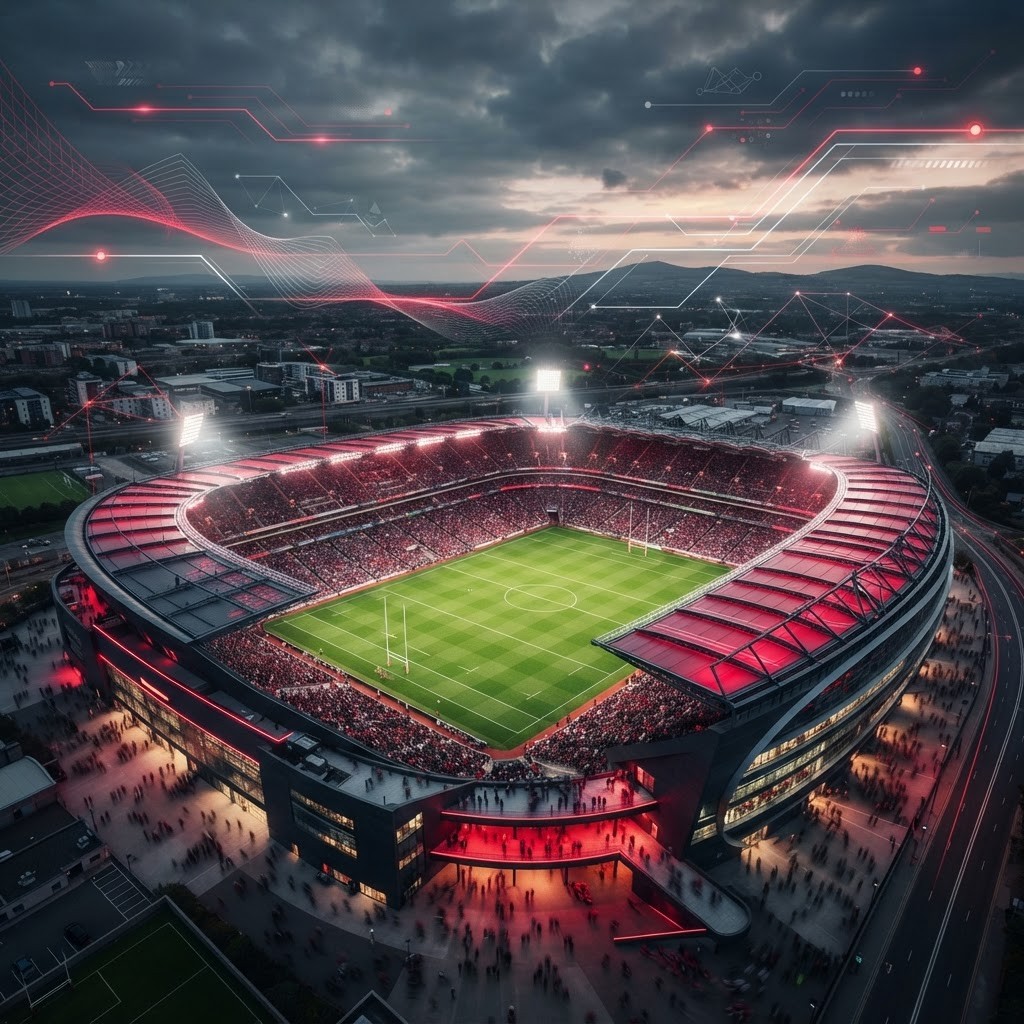
The Heart of Irish Sporting Culture
Sport occupies a special place in Irish life, and the nation's stadiums are the grand stages where its greatest dramas unfold. From the roar of a full-house Gaelic football final to the electric atmosphere of an international rugby match, these venues bring communities together and create memories that last a lifetime. Ireland's stadiums range from historic grounds steeped in tradition to modern arenas equipped with world-class facilities, each contributing to the country's rich sporting heritage.
Beyond sport, many of these venues also host major concerts and cultural events, cementing their status as landmarks of national importance. Their architecture, capacity, and atmosphere make them destinations in their own right, drawing visitors from across Ireland and around the world.
What Makes a Great Stadium
A truly great stadium offers more than seating and a pitch. Atmosphere, sightlines, accessibility, and facilities all shape the spectator experience. The best venues combine impressive scale with intimacy, ensuring that even large crowds feel connected to the action. Modern amenities, from hospitality suites to efficient transport links, enhance the day for supporters and visitors alike.
History and identity also matter enormously. Stadiums that have witnessed iconic moments carry an emotional weight that newer venues aspire to build over time. This blend of heritage and modern comfort defines Ireland's finest sporting arenas.
The Top 10 Stadiums
1. Croke Park in Dublin is the crown jewel of Irish sport, one of Europe's largest stadiums and the spiritual home of Gaelic games. Its scale, history, and atmosphere are unrivalled.
2. Aviva Stadium, also in Dublin, is a striking modern arena hosting international rugby and football, celebrated for its distinctive curved architecture and superb facilities.
3. Thomond Park in Limerick is a fortress of Munster rugby, famed for its passionate crowds and intimidating atmosphere on European nights.
4. Semple Stadium in Thurles is a hallowed venue for hurling, deeply rooted in the traditions of the Gaelic Athletic Association.
5. Páirc Uí Chaoimh in Cork is a redeveloped, modern stadium that serves as a proud home for Cork's Gaelic games.
6. RDS Arena in Dublin combines sporting heritage with versatility, hosting rugby and major events in an historic setting.
7. Tallaght Stadium in Dublin is a lively home for League of Ireland football, known for its close, energetic atmosphere.
8. Turners Cross in Cork is a beloved football ground with a rich history and a devoted local following.
9. Fitzgerald Stadium in Killarney offers one of the most scenic sporting settings in Ireland, framed by the mountains of Kerry.
10. Windsor Park in Belfast rounds out the list as a modern, redeveloped home of football with strong local pride.
Trends in Stadium Development
Modern stadium design increasingly prioritises fan experience, sustainability, and multi-use functionality. New and redeveloped venues incorporate improved accessibility, enhanced hospitality, and technology that enriches the matchday experience, from high-speed connectivity to large screens and improved amenities.
Sustainability is also becoming central, with energy-efficient lighting, water conservation, and waste reduction measures increasingly common. Many venues are broadening their appeal by hosting concerts and community events, ensuring they remain vibrant and financially sustainable year-round.
The Community Behind the Crowds
What truly sets Irish stadiums apart is the community spirit that fills them. Gaelic games in particular are rooted in parish and county identity, with clubs run largely by volunteers and supporters travelling in their thousands to roar on their local heroes. This grassroots foundation gives even the largest venues an intimate, deeply personal atmosphere that visitors from abroad often find remarkable and moving.
These stadiums also serve as economic and social anchors for their surrounding areas. Matchdays bring vital business to local hotels, restaurants, and shops, while the venues themselves frequently host community events, charity fixtures, and youth development programmes. In this way, Ireland's great stadiums are far more than sporting arenas; they are living institutions that strengthen the bonds of the communities they represent and pass a love of sport from one generation to the next.
Experiencing Irish Stadiums
For sports fans and visitors alike, attending an event at one of Ireland's great stadiums is an unforgettable experience. Many venues offer guided tours that reveal their history, architecture, and behind-the-scenes areas, providing fascinating insight even on non-matchdays. Croke Park's museum and rooftop walk, for example, are popular attractions in their own right.
Planning a visit around a major fixture requires a little forethought, as tickets for the biggest matches, particularly All-Ireland finals and international rugby, sell out quickly and public transport can be busy. Arriving early to soak up the pre-match atmosphere, explore the surrounding area, and find your seat comfortably all add to the enjoyment of the day.
Whether drawn by the thunderous atmosphere of a championship final or the architectural beauty of a modern arena, visitors will find that Ireland's stadiums embody the passion, pride, and community spirit at the heart of the nation's sporting culture. These remarkable venues continue to inspire athletes and supporters, standing as enduring monuments to Ireland's love of sport.
