
Rail Travel in Ireland: Connecting the Island
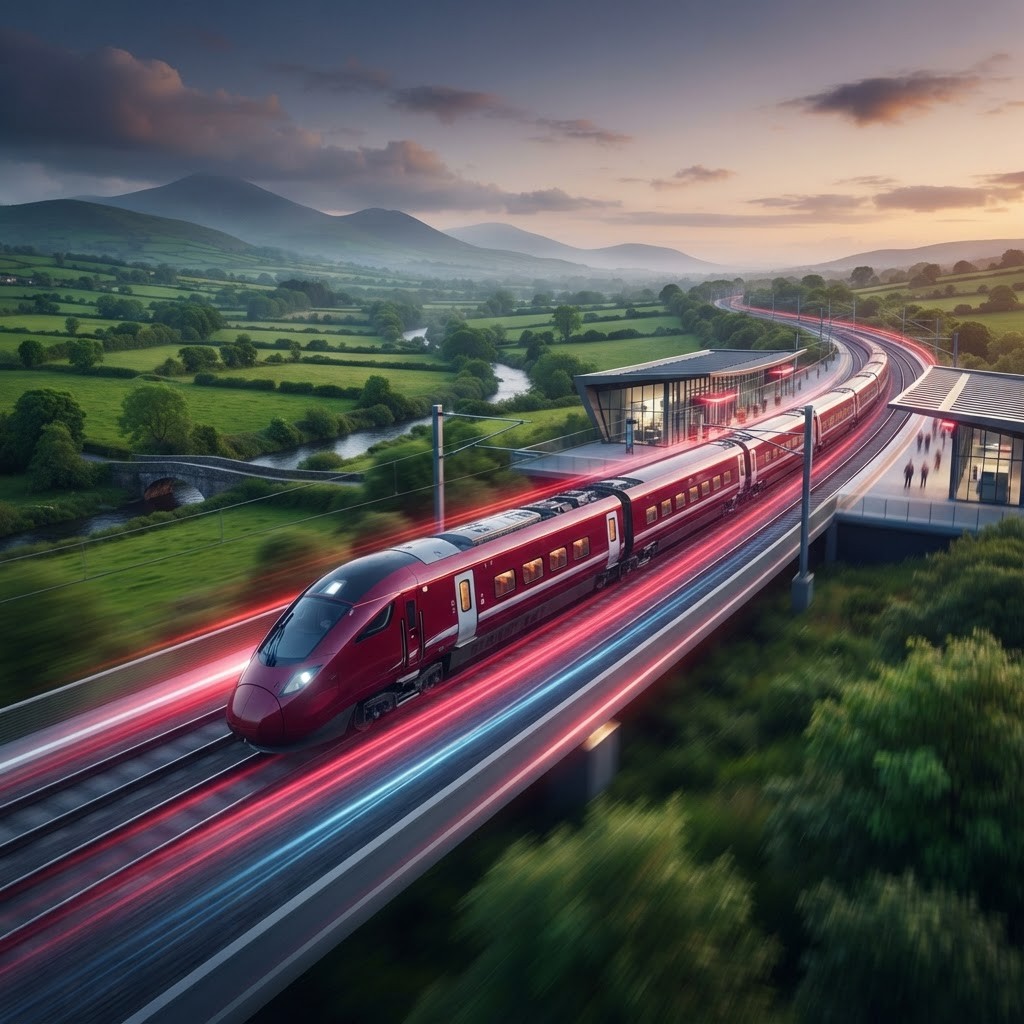
Ireland's railways carry a rich history and continue to play a vital role in modern transport. Linking major cities, connecting commuters to workplaces, and offering travellers a scenic and relaxing way to explore the island, rail travel remains an attractive option for many. Trains glide past rolling green fields, coastal vistas, and historic towns, making the journey as memorable as the destination. As sustainability grows in importance, rail travel's low environmental impact makes it an increasingly appealing choice.
The Irish rail landscape includes national intercity and commuter services, urban light rail, cross-border connections, and beloved heritage railways that preserve the romance of a bygone era. Together, these operators form a network that serves both practical transport needs and the joy of travel.
What Makes Rail Travel Appealing
Rail travel offers distinct advantages. Comfort is a major draw, with spacious seating, the freedom to move around, and often onboard amenities. Speed and directness make intercity trains competitive with driving on many routes, particularly between major cities. Reliability, when well managed, provides dependable journey times unaffected by road traffic. The scenic beauty of many Irish rail routes adds a special dimension, while the environmental benefits of rail appeal to increasingly conscious travellers.
The Top 10 Railway Operators and Services in Ireland
Iarnrod Eireann (Irish Rail) is the national railway operator of the Republic, running an extensive network of intercity, commuter, and regional services. It connects Dublin with Cork, Galway, Limerick, Belfast, and many other destinations, forming the backbone of Irish rail travel.
DART (Dublin Area Rapid Transit) is the electrified commuter service running along the Dublin coastline. Frequent and efficient, it is beloved for its scenic coastal views and its role in daily commuting.
Luas is Dublin's modern light rail tram system, providing fast and convenient travel across the city. Its two main lines serve key areas and connect with other transport modes seamlessly.
Translink NI Railways operates the rail network in Northern Ireland, linking Belfast with towns across the region and connecting to cross-border services.
Enterprise, jointly operated by Irish Rail and Translink, provides the cross-border intercity service between Dublin and Belfast, offering a comfortable and popular link between the two cities.
Irish Rail Intercity services deserve special mention for connecting the major cities with modern trains and comfortable amenities, forming the heart of long-distance rail travel.
Irish Rail Commuter services serve the greater Dublin area and other urban centres, providing essential daily transport for thousands of commuters.
The Railway Preservation Society of Ireland operates heritage steam and vintage train excursions, delighting enthusiasts and families with journeys aboard beautifully preserved locomotives.
Downpatrick and County Down Railway is a heritage railway offering nostalgic rides on restored trains, preserving an important piece of Ireland's railway history.
Waterford and Suir Valley Railway is a charming narrow-gauge heritage line offering scenic excursions along the river valley, popular with visitors seeking a relaxed and picturesque experience.
Intercity, Commuter, and Heritage Rail
Ireland's rail services fall into several categories. Intercity trains connect the largest cities with fast, comfortable journeys, ideal for business and leisure travel alike. Commuter and suburban services, including the DART and Luas in Dublin, move large numbers of people efficiently within urban areas. Cross-border services link the Republic and Northern Ireland. Heritage railways, meanwhile, offer a wonderful glimpse into the past, running restored steam and vintage trains that celebrate Ireland's railway heritage and provide memorable days out.
Trends in Irish Rail
Investment in rail infrastructure and services continues to grow, reflecting a broader commitment to sustainable transport. There is increasing focus on electrification, expanded capacity, and improved frequency to encourage more people to choose rail over cars. Modern trains with enhanced comfort and accessibility are being introduced, and digital ticketing and real-time information make travel more convenient. Interest in scenic rail journeys and heritage experiences also remains strong, drawing tourists eager to enjoy Ireland's landscapes from the comfort of a train.
Tips for Rail Travel in Ireland
Booking intercity tickets in advance often secures better fares and guarantees seats on busy services. Checking timetables ahead of travel helps with planning, particularly for connections between services. For those exploring multiple destinations, various travel passes and flexible tickets can offer good value. Travellers seeking the most scenic journeys may wish to research routes known for their beautiful views, such as coastal and valley lines.
Conclusion
Ireland's railway operators offer a comfortable, scenic, and sustainable way to travel across the island. From the efficient intercity and commuter services that keep the country moving to the charming heritage lines that celebrate its history, rail travel provides something for everyone. As investment and innovation continue to enhance the network, trains remain a cherished and increasingly attractive option for residents and visitors exploring the beauty of Ireland.
