
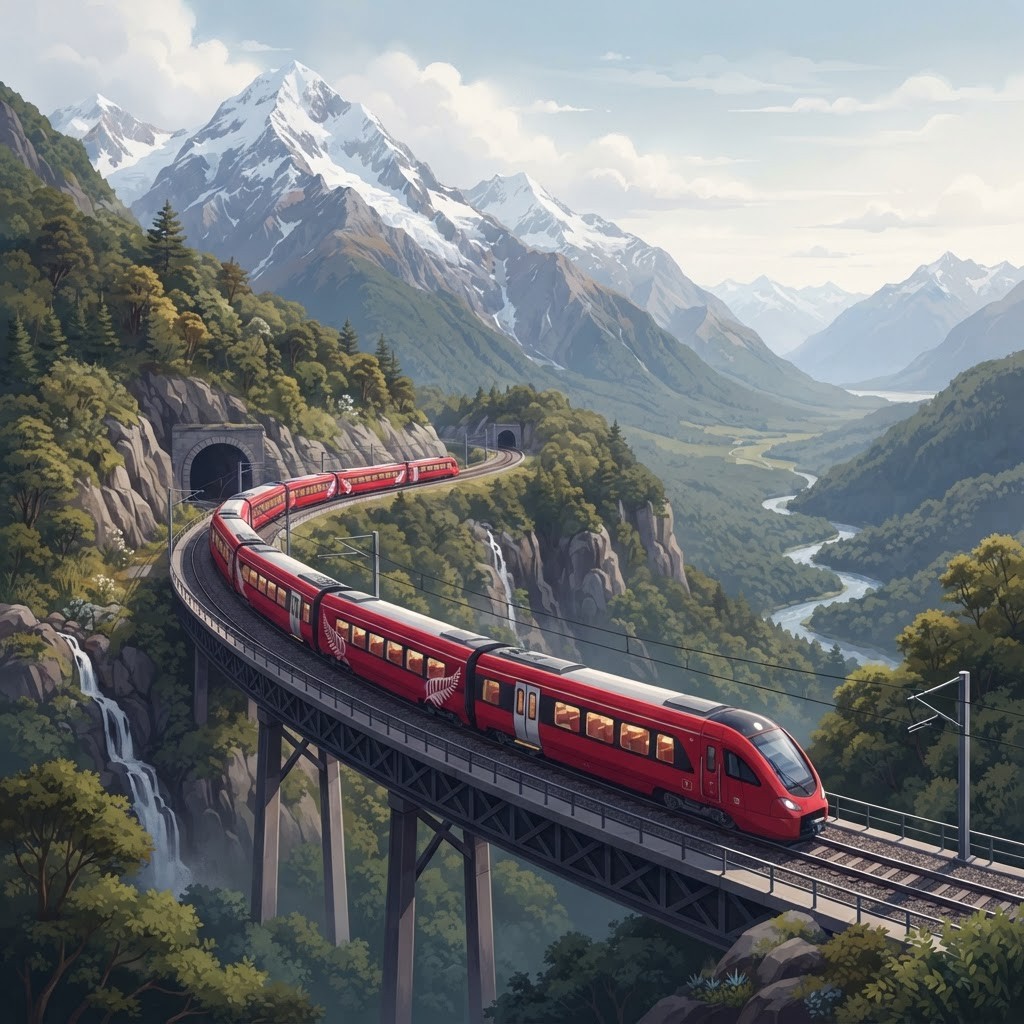
The Enduring Appeal of Rail in New Zealand
Railways hold a special place in New Zealand's history and continue to play an important role in both transport and tourism today. While the country's rail network is not as extensive as those in larger nations, it offers a unique blend of practical freight movement, urban commuter services, and world-renowned scenic passenger journeys. Travelling by train allows passengers to experience New Zealand's dramatic landscapes in comfort, from rugged mountain passes to sweeping coastal views. The nation's railway operators combine engineering heritage with modern service to keep this iconic mode of transport thriving.
KiwiRail: The National Backbone
KiwiRail is the cornerstone of New Zealand's railway system, operating the national network for both freight and passenger services. As the primary railway operator, it manages the movement of essential goods across the country and runs the Interislander ferry service connecting the North and South Islands. KiwiRail's freight operations are vital to the economy, transporting bulk commodities efficiently and sustainably. Beyond freight, the organisation also operates the country's most celebrated long-distance scenic train services, making it central to both commerce and tourism in Aotearoa.
Great Journeys of New Zealand
Great Journeys New Zealand, operated under the KiwiRail umbrella, delivers some of the most spectacular train experiences in the world. The TranzAlpine journey between Christchurch and Greymouth is frequently ranked among the greatest rail trips globally, crossing the Southern Alps through breathtaking alpine scenery. The Coastal Pacific route follows the stunning Kaikoura coastline, while the Northern Explorer connects Auckland and Wellington through the central North Island. These carefully curated journeys showcase New Zealand's natural beauty and attract travellers from around the world seeking a relaxed and immersive way to explore.
Urban and Commuter Rail
Commuter rail services are an important part of daily life in New Zealand's largest cities. Auckland's rail network, operated through Auckland Transport, provides essential connections across the sprawling metropolitan area, while Wellington's Metlink network offers reliable commuter services to surrounding regions. These systems help reduce road congestion and support sustainable urban mobility. Ongoing investment in electrification, new trains, and infrastructure upgrades continues to improve capacity and reliability, reflecting the growing importance of rail in easing pressure on busy city transport networks.
Heritage and Tourist Railways
New Zealand also boasts a charming collection of heritage and tourist railways that celebrate the country's rich rail history. Operations such as the Taieri Gorge Railway near Dunedin offer scenic journeys through remote and picturesque terrain, preserving historic rolling stock and engineering. These heritage railways are often run with the passion of dedicated enthusiasts and volunteers, providing visitors with a nostalgic and educational experience. They contribute to regional tourism and help keep the country's railway heritage alive for future generations to enjoy and appreciate.
Sustainability and Efficiency
Rail transport offers significant environmental advantages, and this is increasingly recognised in New Zealand. Moving freight and passengers by rail produces lower emissions per tonne or passenger compared with road transport, supporting the country's climate goals. Investment in electrification and modern rolling stock further enhances the sustainability of the network. As New Zealand seeks to reduce its carbon footprint, rail is well positioned to play a growing role in both freight logistics and public transport, offering an efficient and environmentally responsible alternative.
The Future of Rail
The future of railways in New Zealand looks promising, with ongoing investment aimed at modernising infrastructure and expanding capacity. Upgrades to tracks, stations, and rolling stock are improving reliability and passenger comfort, while renewed interest in sustainable transport supports the case for further development. Scenic tourism trains continue to draw international visitors, reinforcing rail's cultural and economic value. As the country balances growth with environmental responsibility, railways are set to remain a cherished and increasingly important part of New Zealand's transport landscape.
Tips for Enjoying a Rail Journey
To make the most of a train journey in New Zealand, travellers should book scenic services well in advance, as the most popular routes fill quickly during peak seasons. Choosing a window seat and taking advantage of open-air viewing carriages, where available, greatly enhances the experience of watching the landscape unfold. Packing a camera, dressing in layers for changing mountain weather, and allowing time to relax and absorb the surroundings all contribute to a memorable trip. Many services offer onboard commentary and refreshments, adding comfort and context to the journey. Combining a scenic rail trip with connecting travel by bus, ferry, or car allows visitors to weave these iconic journeys seamlessly into a broader exploration of the country.
Final Thoughts
New Zealand's railway operators offer a remarkable combination of practical transport and unforgettable scenic experiences. From KiwiRail's essential freight and passenger network to the world-class journeys of Great Journeys New Zealand and the nostalgic charm of heritage lines, rail travel captures the spirit of the country. With growing emphasis on sustainability and continued investment in modernisation, the future of New Zealand's railways is bright. For travellers and businesses alike, the nation's rail network provides a reliable, efficient, and truly scenic way to move across Aotearoa.
