
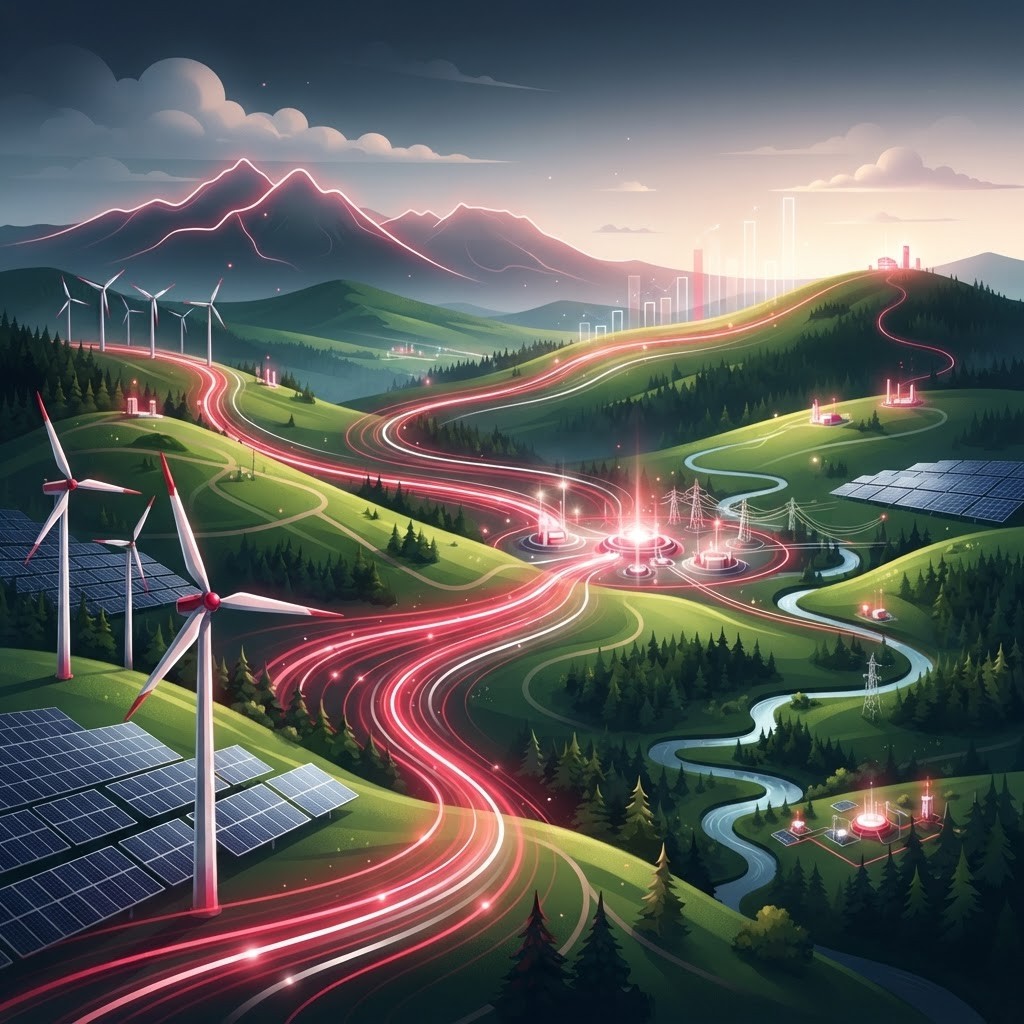
Slovakia's Renewable Energy Landscape
Slovakia has made significant strides in its transition toward cleaner, more sustainable energy sources. As a member of the European Union, the country is committed to ambitious climate targets that require a substantial increase in the share of renewables in its energy mix. Historically reliant on nuclear power and imported fossil fuels, Slovakia is now diversifying its portfolio to include solar, wind, hydroelectric, and biomass energy. This shift is driven by both environmental imperatives and the economic opportunities presented by the global clean energy movement.
The renewable energy sector in Slovakia benefits from favorable geographic conditions in certain regions, supportive EU funding mechanisms, and a national policy framework increasingly aligned with decarbonization goals. Companies operating in this space are at the forefront of building a resilient, low-carbon energy system.
The Importance of Renewables
Renewable energy offers Slovakia numerous advantages. It reduces dependence on imported fuels, enhancing energy security and insulating the country from volatile global commodity prices. It also creates jobs, stimulates local investment, and positions Slovakia as a responsible participant in the fight against climate change. Perhaps most importantly, renewables produce electricity with minimal greenhouse gas emissions, contributing to cleaner air and a healthier environment for citizens.
Leading Renewable Energy Companies
Slovenské elektrárne is the largest electricity producer in the country and has been expanding its renewable portfolio, particularly in hydroelectric generation, complementing its established operations.
Vodohospodárska výstavba plays a key role in managing and developing hydroelectric infrastructure, harnessing the power of Slovakia's rivers for clean energy.
ZSE (Západoslovenská energetika) is a major energy group actively investing in renewable projects and green energy solutions for both residential and commercial customers.
MET Slovakia is recognized for its involvement in energy trading and its growing commitment to sourcing and supplying renewable electricity.
FVE Group specializes in the development and operation of photovoltaic power plants, contributing significantly to the country's solar capacity.
Green Energy Slovakia focuses on integrated renewable solutions, combining solar installations with energy storage and efficiency services.
Enel Green Power initiatives in the region have supported the deployment of clean generation technologies and knowledge transfer within the Slovak market.
Bioenergy Topoľčany is a notable player in the biomass sector, converting agricultural and forestry residues into renewable heat and power.
Solar Global Slovakia develops and manages large-scale solar farms, driving the expansion of photovoltaic generation across suitable regions.
Veolia Energia Slovensko rounds out the list with its work in district heating and biomass, delivering sustainable energy solutions to communities and industry.
Technologies and Trends
The Slovak renewable sector is embracing a range of technologies. Solar photovoltaics have seen rapid growth thanks to falling equipment costs and improved efficiency. Hydroelectric power remains a cornerstone, leveraging the country's river systems. Biomass energy is particularly relevant given Slovakia's substantial forestry and agricultural resources. Emerging trends include the integration of battery storage to manage intermittency, the development of smart grids to balance supply and demand, and growing interest in green hydrogen as a future energy carrier.
Challenges Facing the Sector
Despite progress, the renewable energy sector encounters obstacles. Grid capacity and modernization are ongoing concerns, as older infrastructure must be upgraded to accommodate distributed generation. Regulatory stability and predictable support schemes are essential to attract long-term investment. Permitting processes can be lengthy, and public acceptance of new installations sometimes requires careful community engagement. Nevertheless, the overall trajectory remains positive, supported by strong EU backing and increasing corporate demand for clean energy.
Looking to the Future
Slovakia's renewable energy future is promising. With continued investment, technological innovation, and policy support, the country is well positioned to significantly increase its share of clean energy in the coming years. The companies leading this transition are not only contributing to environmental sustainability but also building a more secure and competitive energy economy. As the global shift toward renewables accelerates, these Slovak organizations are poised to play an increasingly influential role, both domestically and across the Central European region. Their work today is laying the foundation for a cleaner, greener tomorrow.
