
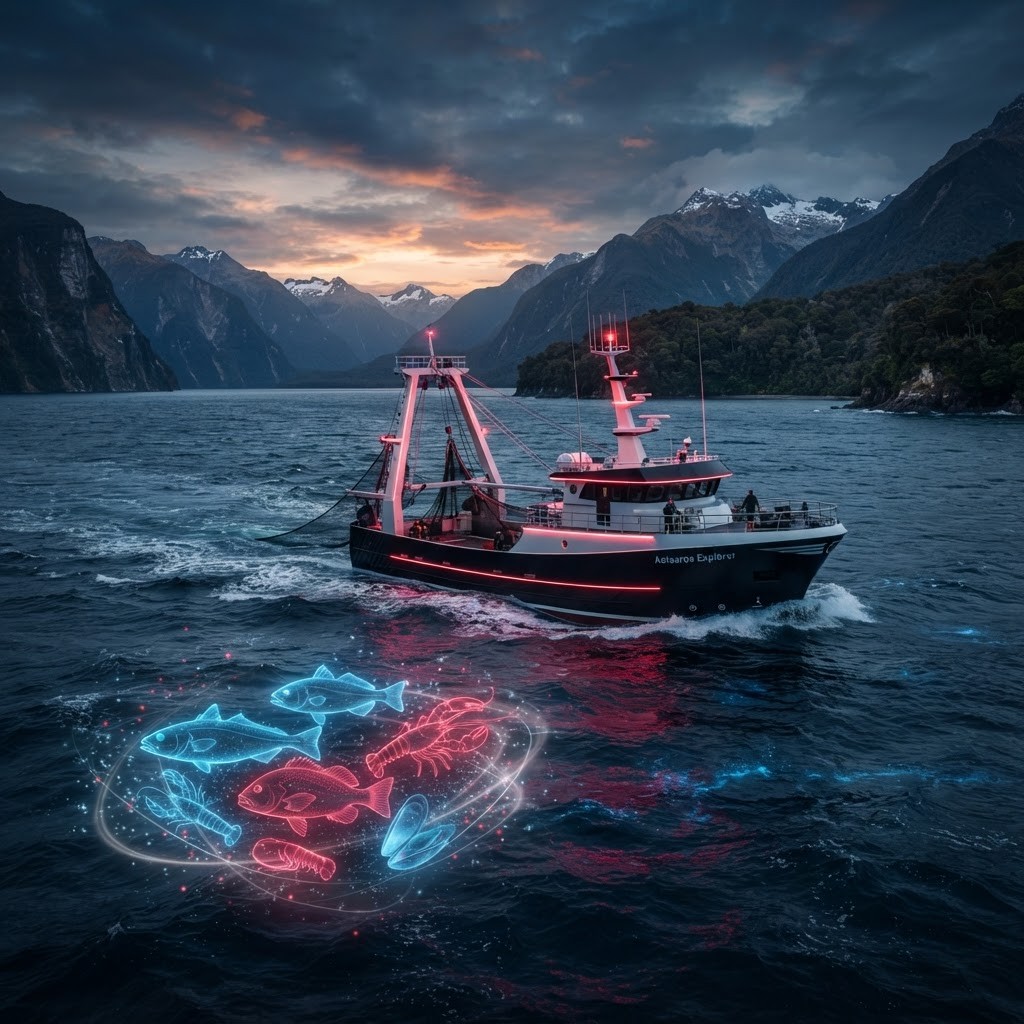
New Zealand's Rich Marine Heritage
Surrounded by the vast Pacific and Tasman waters, New Zealand possesses one of the largest exclusive economic zones in the world. This abundant marine environment has given rise to a thriving fishery industry that supplies premium seafood to markets across the globe. Fishery companies here operate within a carefully managed quota system designed to protect fish stocks for future generations.
The industry is a significant contributor to the national economy, providing employment in coastal communities and generating valuable export earnings. New Zealand seafood is prized internationally for its quality, freshness, and the pristine waters from which it is harvested.
Sustainability at the Core
New Zealand is widely regarded as a pioneer in sustainable fisheries management. The Quota Management System, introduced to control catch levels, ensures that fishing remains within scientifically determined limits. Leading fishery companies embrace this framework, investing in research, selective fishing methods, and technology that reduces bycatch and environmental impact.
Traceability has become a defining feature of the industry, allowing consumers to know exactly where and how their seafood was caught. This transparency builds trust and supports premium pricing in discerning international markets.
Top 10 Fishery Companies in New Zealand
1. Sanford Limited is one of the country's oldest and largest seafood companies, operating across wild-catch fisheries and aquaculture with a strong sustainability focus.
2. Sealord Group is a major player known for its deep-sea fishing operations and extensive range of frozen and processed seafood products.
3. Talley's Group is a family-owned company with diversified operations spanning fishing, mussels, and food processing, deeply rooted in New Zealand communities.
4. Moana New Zealand is the largest Maori-owned fisheries business, celebrated for its kaitiakitanga philosophy of guardianship and premium products like paua and rock lobster.
5. Independent Fisheries operates a modern deep-sea fleet and processing facilities, recognized for efficiency and quality in the export market.
6. Aotearoa Fisheries plays an important role in the industry through its investments and partnerships supporting Maori fishing interests.
7. Okains Bay Seafood is valued for its focus on locally caught, high-quality fish serving both domestic and specialty markets.
8. Lee Fish specializes in premium chilled seafood exports, prized by restaurants and chefs worldwide for exceptional freshness.
9. United Fisheries is a Christchurch-based company with a long history in deep-sea fishing and seafood processing.
10. Westfleet Seafoods operates on the West Coast, known for hoki and other wild-caught species with a commitment to responsible harvesting.
Aquaculture and the Future of Seafood
Beyond wild-catch fishing, aquaculture is a rapidly growing segment of New Zealand's seafood industry. Green-lipped mussels, king salmon, and oysters are farmed in coastal waters, offering sustainable protein with lower environmental footprints. Leading companies are investing heavily in this area, recognizing its potential to meet rising global demand.
Innovation in feed, water quality monitoring, and selective breeding continues to improve productivity and sustainability. Aquaculture also provides year-round supply stability, complementing seasonal wild fisheries and supporting long-term industry growth.
Economic and Community Impact
Fishery companies are vital to many coastal towns, providing jobs and supporting local economies. They also contribute to New Zealand's export revenue, with seafood reaching markets in Asia, Europe, and North America. The industry's commitment to sustainability protects not only fish stocks but also the livelihoods that depend on them.
Maori-owned enterprises hold a particularly significant place, blending commercial success with cultural values of stewardship and intergenerational responsibility. This unique approach enriches the industry and strengthens its social license to operate.
Conclusion
New Zealand's fishery companies exemplify the balance between commercial enterprise and environmental responsibility. Through rigorous quota management, sustainable practices, and growing aquaculture, they deliver world-class seafood while safeguarding marine ecosystems. As global demand for responsibly sourced seafood rises, these leading companies are well positioned to continue thriving on the strength of quality, sustainability, and heritage.
